England’s gritty win over Norway fuels World Cup hopes, but VAR controversy and a looming Argentina clash dominate the narrative.
ALL MY favourite teams are finally out of the World Cup. Some left deservingly, bowing out to superior footballing architecture. Others left deserVARingly, systematically dismantled by the high priests of the technological apparatus.
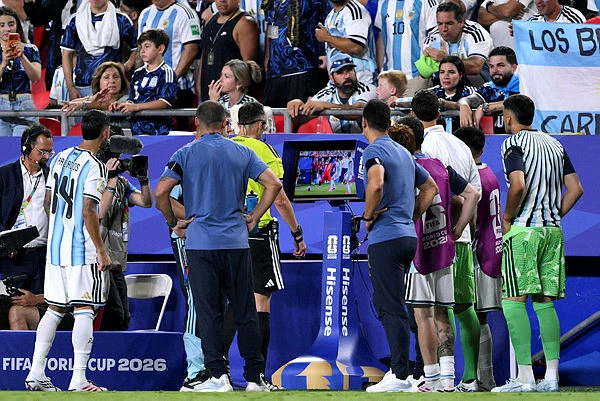
Before we even continue, we have to briefly mention the fact that the Video Assistant Referee has done it again.
The absolute comedy of the room reached its absolute nadir during Norway’s crushing defeat to England. We are now being asked to believe that a microscopic, invisible wire inside the match ball is the ultimate arbiter of human reality. The television optics showed one thing, yet we are instructed to ignore what we saw with our own eyes because a computer sensor says otherwise. Technology was introduced to assist human error, not to completely replace human common sense.
The system is apparently sensitive enough to pick up the literal ‘heartbeat of the ball’ when it brushes off a single strand of hair on a flying Croatian defender’s head, yet it suffers a catastrophic bout of electronic blindness when the ball strikes a massive, physical, solid object.
Leaving that out, if you have spent any time reading my columns, you will know I am an unrepentant romantic for the minnows. I am an absolute sucker for the small teams. The reason is simple. These teams still play with their hearts pinned directly to their shirts. They haven’t yet been completely hollowed out by corporate buyout.
This view was deeply influenced by so many older generations I used to know, who only ever watched football when international competitions rolled around. As a young football fan, I was always told, if you want to watch good football, watch the Copa America. But if you want to watch the next big talent and see players playing passionately, watch the World Cup. It was that exact piece of advise that originally left me supporting the Netherlands. For me that was a historical bastion of pure footballing romance.
By virtue of that same romance, my soul in this knockout stage was firmly tied to Norway. I loved the sheer, unbridled playing style of Erling Haaland. Yet, there is a distinct, localised dread to this admiration. I know that the moment the Premier League season kickoff, as a Manchester United fan, I am going to absolutely hate him. I will despise every mechanical run he makes against us.
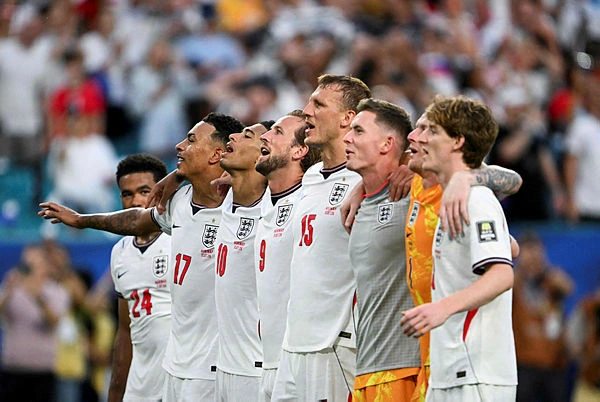
During that quarterfinals, I wanted the beautiful Scandinavian rebellion to succeed, but the defiant manner in which England’s stars have been single-handedly dragging this side forward commanded a newfound respect. To be completely fair, I never knew Harry Kane could play the way he did. I mean I know he’s a goal machine, but with Jude Bellingham, functioning as England’s resident savior in the oppressive summer heat, both the players dragged the Three Lions off the floor, firing to six goals each for this 2026 World Cup.
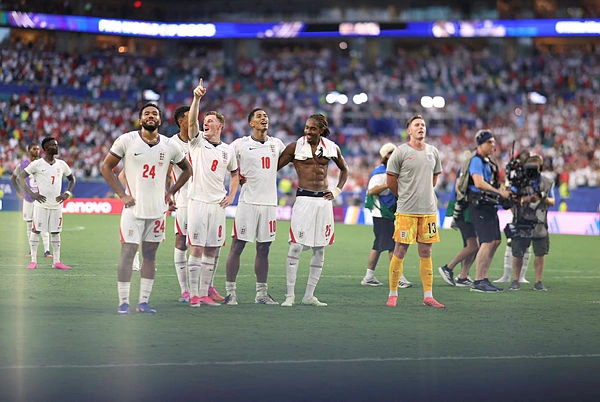
England’s progression has become the defining story (among others) of this World Cup. Media houses around the world are captivated by the tactical shift under Thomas Tuchel. The narrative has transformed entirely.
England are no longer playing under the crushing weight of their history, today they are actively rewriting it.
This brings us to the precipice of the semifinals, where the script promises two entirely distinct forms of theatrical tension.
When England take on Argentina, all eyes will inevitably be on the referees yet again. Journalists around the world are treating this fixture less like a football match and more like an impending diplomatic incident.
Many are deeply paranoid about the historical narrative of preferential treatment surrounding Lionel Messi’s final tournament, while the remaining others are framing the match as a clash between Argentina’s emotional, collective destiny and England’s European pragmatism.
It is a fixture heavy with the ghosts of 1986, played under the terrifying realisation that one bad VAR decision could set off a footballing civil war.
On the other side of the bracket, we are treated to an entirely different breed of blockbuster. France will line up against a fiercely disciplined Spain in a match where nobody can confidently put a finger on who will emerge on top. The global narrative is split between the inevitability of a modern French dynasty and the romantic possibility of an absolute tactical masterclass ruining the corporate script.
But as we now move towards the absolute brink of the final, and looking at Tuchel’s resilient, tactically liberated men surviving red cards and conquering extra time, one final, terrifying question lingers in the humid Klang Valley air: Is it finally coming home?