




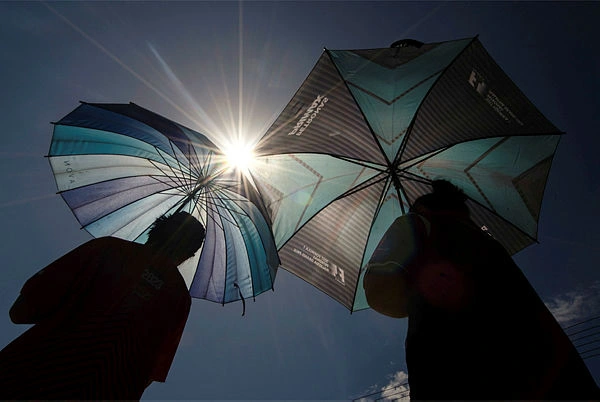
Malaysia is ramping up El Niño readiness with cloud seeding, water monitoring, early warnings and support for farmers, fishermen and low-income groups.
PETALING JAYA: The government has activated nationwide preparedness measures to mitigate the impact of the El Niño phenomenon, including safeguarding water supplies, protecting vulnerable communities and ensuring food security.
Deputy Prime Minister Datuk Seri Ahmad Zahid Hamidi said the government was closely monitoring the situation through the National Disaster Management Agency (Nadma), the Malaysian Meteorological Department (MetMalaysia) and relevant ministries and agencies.
He said Nadma had convened a coordination meeting on June 9 involving federal ministries, technical agencies and state governments to prepare for possible risks linked to hot and dry weather conditions.
“The meeting was held to coordinate actions in addressing risks of extreme heat, drought, open burning, haze and possible water supply disruptions that could occur due to hot and dry weather conditions associated with the El Niño phenomenon,” he said in a written parliamentary reply.
Based on MetMalaysia’s assessment, Malaysia is expected to experience hotter and drier conditions, with a significant reduction in rainfall between June and August 2026, particularly in Sarawak and several states in the central and southern regions of Peninsular Malaysia.
Zahid said MetMalaysia had strengthened its early warning systems and weather monitoring efforts to ensure information on heat conditions, rainfall shortages and potential disasters could be delivered quickly to agencies and the public.
“The Irrigation and Drainage Department (DID), water operators and state governments are also enhancing monitoring of dam levels, rivers and strategic water sources to enable early mitigation measures if water reserves decline,” he said.
He added that the DID had been instructed to identify dams affected by sedimentation for targeted maintenance to ensure water storage capacity remained optimal throughout the hot and dry period.
On preventing open burning and haze, Zahid said the Fire and Rescue Department, Environment Department and local authorities had intensified monitoring at high-risk areas, enforcement activities and public awareness programmes.
“The government is strengthening cooperation between federal and state agencies to ensure detection and firefighting efforts can be carried out more quickly to reduce risks that could affect air quality, public health and the wellbeing of the people,” he said.
Zahid said the government had also implemented mitigation measures, including cloud-seeding operations to increase rainfall.
“To date, seven series of cloud-seeding operations involving 25 aircraft sorties have been carried out in Kedah, Johor, Melaka and Sarawak,” he said, adding that additional operations in Kelantan and Sabah would be considered depending on atmospheric conditions.
He said the government was also providing alternative water sources through the Mineral and Geoscience Department, including groundwater resources for domestic use and firefighting operations.
Zahid also said assistance would be provided to groups most affected by El Niño, including low-income households, farmers and fishermen.
“The government has provided various forms of assistance through relevant ministries and agencies, including the Agriculture and Food Security Ministry and the Prime Minister’s Department’s Implementation Coordination Unit, through suitable existing aid mechanisms,” he said.
He added that state governments were also providing support through agencies such as zakat institutions, state-linked companies and corporate bodies to ease the burden on affected communities.
Meanwhile, on agriculture, Zahid said the Agriculture and Food Security Ministry was implementing measures to help farmers maintain productivity, including strengthening smart irrigation systems, promoting modern farming technologies and developing climate-resilient crop varieties.
“The government is also strengthening early warning systems to reduce the risk of losses among fishermen and aquaculture operators,” he said.
For schools, Zahid said the Education Ministry had issued hot weather management guidelines, including suspending outdoor activities and ensuring sufficient drinking water supplies for students.
He said the Health Ministry was also increasing public health awareness efforts to reduce the risk of heat-related illnesses.
“The government will continue monitoring weather developments and ensure all ministries, agencies and state governments remain prepared to minimise the impact on the people, water supply, public health, food security and socio-economic activities,” he said.



