




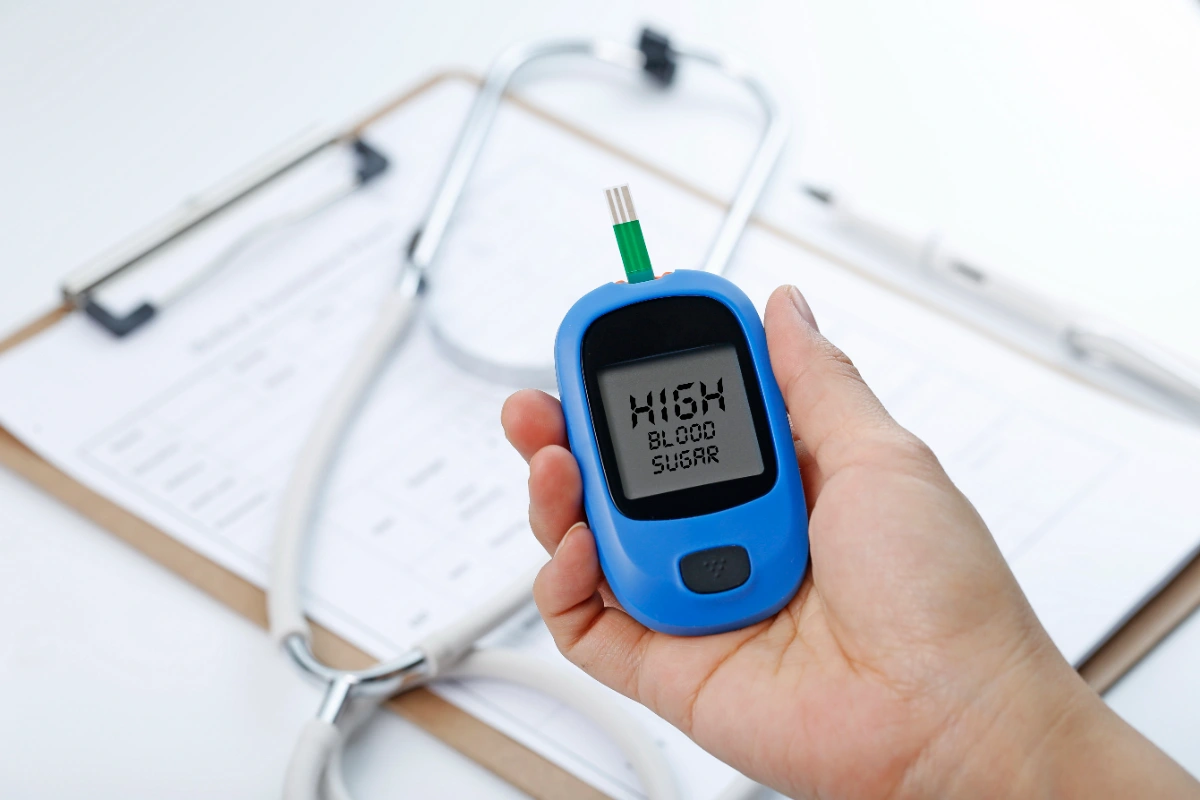
Intermittent fasting may improve blood sugar control but can cause severe hypoglycaemia in those taking sulfonylurea medications or insulin.
MR Lim, 51 years of age, had been struggling with excess weight and persistently high blood sugar levels for years. One day, he walked into my clinic looking excited and handed me his phone.
“Doctor, I read online that intermittent fasting can lower blood sugar, help with weight loss and even reverse diabetes. I’ve already started doing it. I only eat within an eight-hour window each day and fast for the remaining 16 hours. I feel great. What do you think?”
I glanced at the article on his screen before reviewing his latest blood test results. His HbA1c was 8.4%, indicating poorly controlled diabetes. He had also been taking a sulfonylurea medication for the past two years.
Taking a deep breath, I replied: “The research on intermittent fasting is real and it has helped some people improve their blood sugar control. But with your current medication, it can also be dangerous.
He looked surprised. “Dangerous? I thought it was supposed to be good for diabetes.”
“It can be. But in your case, you could experience severe hypoglycaemia before you even see any benefits,” I warned him.
What does the evidence say?
Current evidence suggests that intermittent fasting may improve metabolic health in people with Type 2 diabetes.
Research has reported reductions in HbA1c ranging from 0.3% to 1.5% over a period of three to six months. In some individuals with early-stage Type 2 diabetes, intermittent fasting combined with dietary improvements and weight loss has enabled a reduction or discontinuation of certain diabetes medications. However, these potential benefits must be considered alongside important safety concerns.
For individuals taking insulin or sulfonylureas, fasting can significantly increase the risk of hypoglycaemia. Severe hypoglycaemia is a medical emergency that may cause confusion, loss of consciousness, seizures and, if not treated promptly, permanent brain injury or even death.
How does it work?
The most common approach is the 16:8 method, where all meals are consumed within an eight-hour period, followed by a 16-hour fast.
Another popular approach is the 5:2 method, which involves eating very few calories on two days each week.During fasting, insulin levels fall, allowing the body to access stored fat for energy. As body weight decreases, insulin resistance may improve, making blood sugar levels easier to control. The problem is that your medication does not know you are fasting.
Your medication does not wait
Sulfonylurea medications work by stimulating the pancreas to release insulin. They continue to do this whether you have eaten or not.When a person fasts for extended periods without consuming carbohydrates, blood glucose levels naturally decline.
If medication continues forcing insulin production during that time, blood sugar can fall below a safe range. The result may be hypoglycaemia. Common symptoms include trembling, sweating, dizziness, blurred vision, palpitations and weakness. In severe cases, a person may lose consciousness.
Can people with diabetes try it?
Possibly – but not everyone is a suitable candidate. People who may be able to consider intermittent fasting include:
individuals managing diabetes through diet and exercise alone;
those taking only Metformin; and
patients whose doctors have reviewed their condition and adjusted medications accordingly.
Intermittent fasting should not be started independently by people who:
take sulfonylurea medications;
use insulin injections;
have significant kidney disease or cardiovascular complications; or
are pregnant or breastfeeding.
How to start more safely
To begin intermittent fasting more safely, consult your doctor before making any significant dietary changes, particularly if you have an existing medical condition or are taking medication.
It is generally recommended to start with a 12:12 fasting schedule, which involves 12 hours of fasting followed by a 12-hour eating window, before gradually progressing to longer fasting periods if appropriate. During your eating windows, prioritise nutritious, high-quality foods to support overall health and maintain stable energy levels.
Additionally, carry a fast-acting source of glucose in case of low blood sugar and monitor your blood glucose levels regularly to help ensure your safety throughout the fasting process.
Six months later…
Six months after our first consultation, Mr Lim returned for follow-up. Under medical supervision, his medication regimen had been adjusted. He transitioned away from sulfonylurea therapy, adopted a structured 12:12 fasting schedule and followed a lower glycaemic-index eating plan.
His HbA1c fell from 8.4% to 6.9%.
He lost 8kgs.
His fasting blood glucose improved from 10.2 mmol/L to 6.4 mmol/L.Most importantly, he achieved these improvements safely.
The bottom line
Intermittent fasting is neither a miracle cure nor a dangerous fad. It is a tool. Used appropriately, it may help improve weight, insulin resistance and blood sugar control.
Used incorrectly, especially in people taking glucose-lowering medications, it can lead to serious complications.Before starting any fasting programme, talk to your healthcare professional. The goal is not simply to fast longer; it is to improve health safely and sustainably.
Dr Eason Chang is a physician and diabetes and metabolic health educator. He founded DREC Healthcare Academy Sdn Bhd, which promotes diabetes prevention, management and reversal through sustainable lifestyle and nutrition interventions. Comments: [email protected]



