




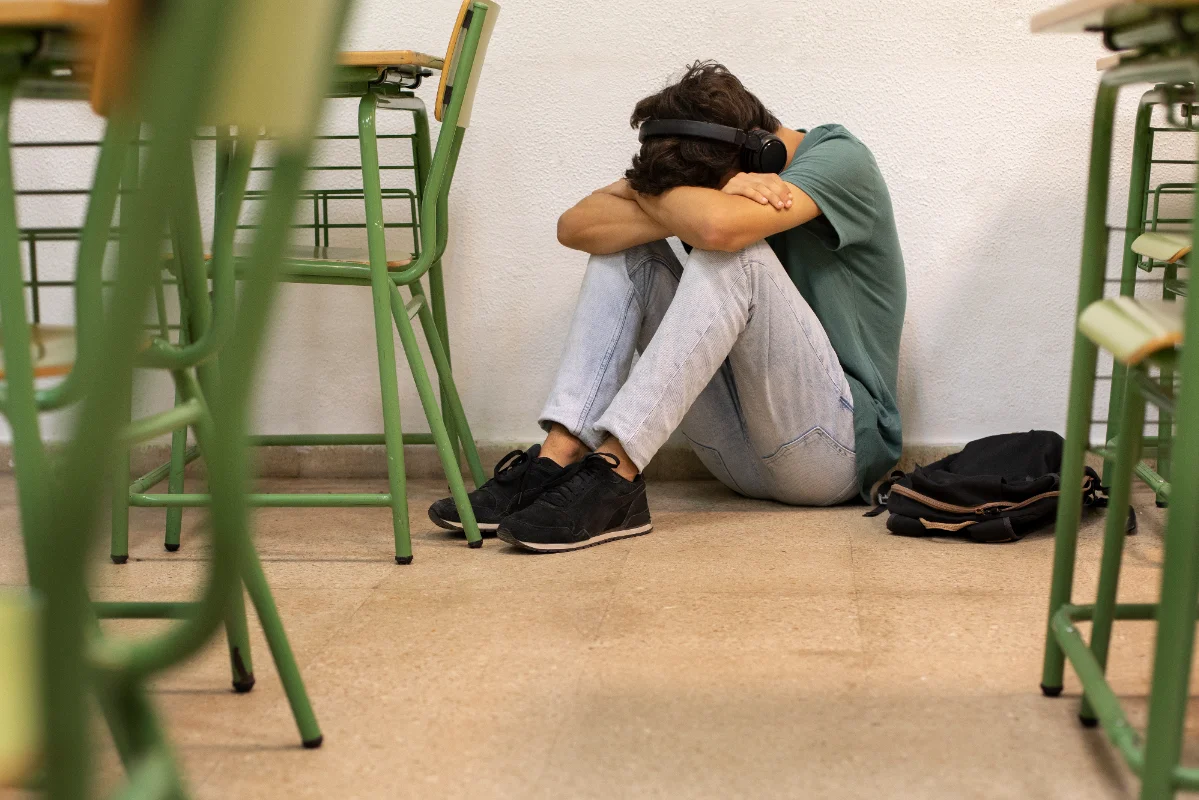
True discipline – and the rewards that come with it – is cultivated through learning.
IN recent years, many educators and parents in Malaysia have voiced concern over the rise of indiscipline, bullying and disrespect among students. This has revived an old question: Can punishment restore discipline in schools and eliminate the root causes of indiscipline?
While punishment may seem to correct behaviour in the short term, evidence and experience show that it cannot, on its own, rebuild discipline or address the deeper moral and social issues at play. True discipline – and the rewards that come with it – is cultivated through learning.
The goal of discipline is to develop the inner character and spiritual strength of each individual. It is not about suppressing wrongdoing through punishment but about awakening the conscience, guiding the mind and nurturing the heart to love what is right.
“The purpose of punishment is to prevent and to restrain; but the real method of training is through the love of God, through kindness and education.” – ‘Abdu’l-Bahá
Discipline, therefore, must inspire obedience through understanding, not fear. When children or youths understand why a behaviour is right or wrong, they are more inclined to act correctly out of personal conviction and integrity.
While love is the foundation of education, firmness is also necessary but it must always be accompanied with gentleness and patience.
“Whensoever a mother seeth that her child hath done well, let her praise and cheer his heart; and if the slightest undesirable trait should manifest itself, let her counsel the child and punish him if necessary but only to a degree that will not cause him to grieve.” – ‘Abdu’l-Bahá
Here, “punishment” refers to measured correction, not humiliation or physical harm. The aim is to help the child understand consequences, develop self-control and restore harmony; not to instil fear or resentment.
The family is the first school of discipline. Parents must be loving yet firm, consistent and united in their approach.
Discipline also emerges from consultation and collective responsibility. Children learn that freedom comes with duty, and that respect for rules maintains unity and peace.
Punishment is a reaction to wrongdoing, seeking to control behaviour through fear or consequences. Discipline, on the other hand, is a process of teaching self-control, respect and responsibility. While punishment may temporarily curb misbehaviour, it rarely transforms attitudes or builds moral character.
In many cases, excessive punishment leads to resentment, shame or defiance, especially among adolescents who are already struggling with emotional and social pressures. It may also create a climate of fear rather than respect in schools.
Moreover, punishment does not deal with the real causes of indiscipline, which often lie beyond the classroom. Among these are weak family foundations, poor parental supervision, negative peer influence, the misuse of social media and an education system that overemphasises academic performance while neglecting moral and spiritual development.
To bring back discipline, schools must go beyond punishment and address these root issues. Character education should be integrated into daily learning, emphasising values such as honesty, compassion, respect and self-discipline.
Teachers must model these virtues, for students learn more from example than from instruction. Schools and parents must also work hand in hand to provide consistent moral guidance and emotional support.
Restorative approaches – where students reflect on their actions, make amends and rebuild trust – can be far more effective than punitive measures in shaping responsible behaviour.
Students must feel the need to have virtues even outside the classroom. A balanced approach is essential. Fair and firm consequences are necessary to maintain order but they should always be paired with empathy and opportunities for learning.
True discipline cannot be imposed through fear; it must be cultivated through understanding, encouragement and moral education. Only by nurturing the mind and the heart can schools hope to restore discipline and remove the root causes of indiscipline in the younger generation.
Comments: [email protected]



