


Malaysia joins EPR push for smarter waste management
Table of Contents
MALAYSIA sits at the centre of a major regional shift as the country prepares to introduce its first Extended Producer Responsibility (EPR) framework.
The decisions made in the coming year will shape how effectively Malaysia can rebuild its recycling ecosystem and how well it aligns with emerging circular economy goals across Southeast Asia.
Asean as a whole is entering a pivotal stage in its transition to a circular economy, with countries beginning to shape EPR systems that place greater accountability on producers for the packaging they put into the market. While each nation faces different realities, the region is moving toward shared principles built around clearer rules, digital transparency and stronger recycling infrastructure.
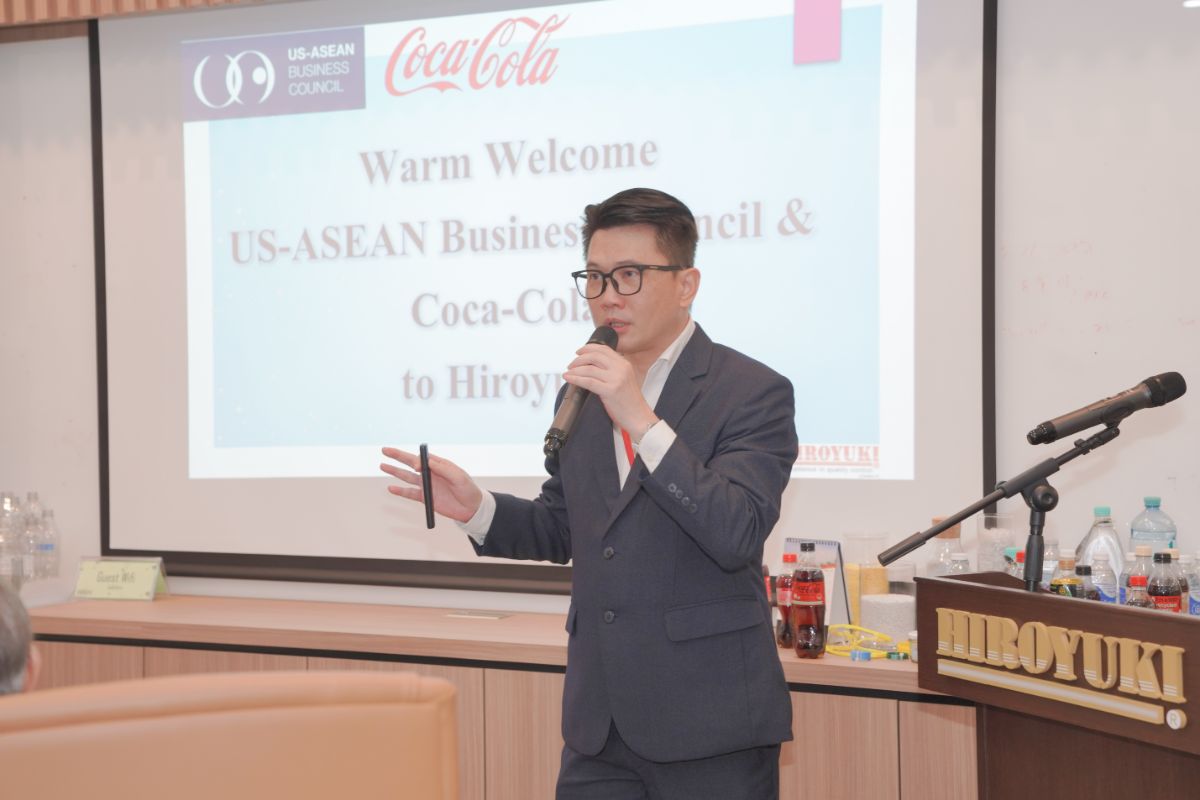
Across recent discussions in Johor and Jakarta held by the US-Asean Business Council (US-ABC), policymakers, recyclers and producers highlighted that technical capability alone is not enough. Asean needs predictable frameworks, effective data systems and coherent design standards that allow materials to move across borders and be recovered at scale.
Malaysia’s position in regional picture
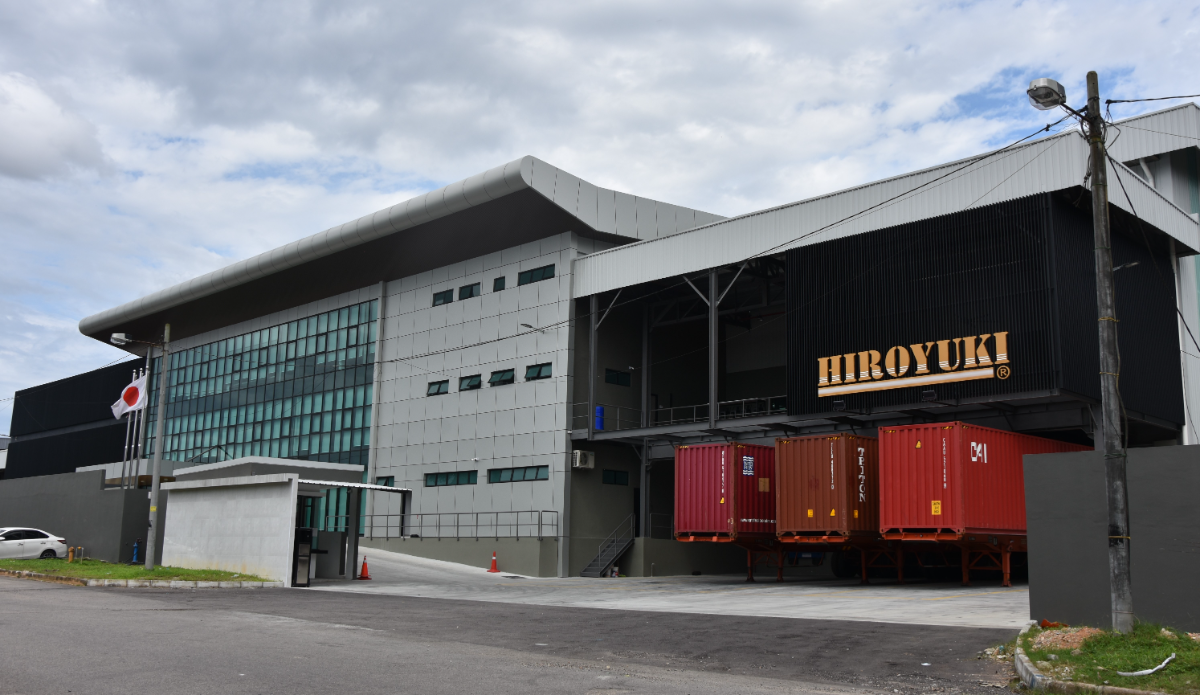
Malaysia’s polyethylene terephthalate (PET) recycling landscape has grown rapidly in recent years, supported by facilities such as Hiroyuki Industries in Johor Bahru. The company processes post consumer bottles into recycled PET resin and food grade materials using a mix of automated sorting and manual quality checks.
During a tour of the Jalan Murni facility, Hiroyuki executive director Lionel Choong said Malaysia has significant room to lift its national recovery rate.
“Malaysia’s recovery rate is 37%. That means more than half the material we could recycle never reaches us. There is still a lot of room to grow,” he said.
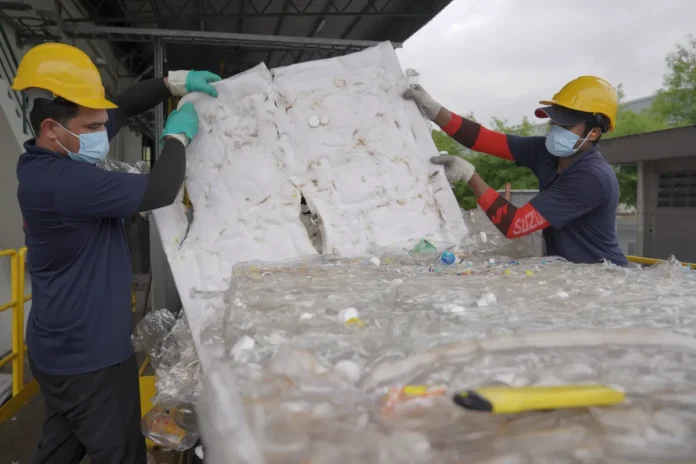
Much of the challenge lies in the condition of Malaysian waste. Lionel said the feedstock arriving at the plant is often heavily contaminated or mixed with materials machines cannot process.
“The quality of post-consumer waste is terrible. It is very difficult to find clean PET. That is our main challenge,” he said.
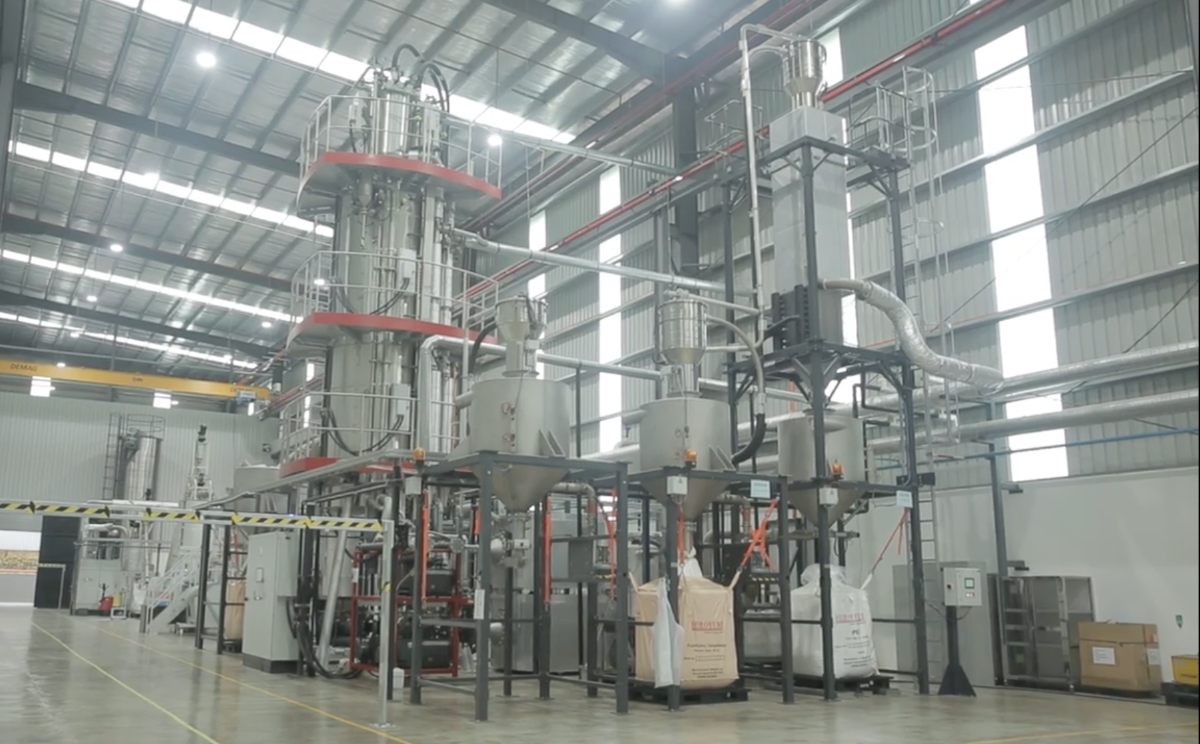
Despite high levels of automation and optical sorting, the plant still relies on three levels of manual inspection to achieve near food grade purity.
“We have three stages of manual sorting. You will expect 95–99% purity after the last machine, but we still need people to remove anything that should not be there,” Choong said.
For Malaysia, these technical realities reflect a broader regional truth. Asean’s recycling systems still depend heavily on manual workforces and informal collectors who support the recovery chain long before materials reach industrial facilities. The region’s EPR systems must recognise these existing networks rather than attempt to replace them.
Asean’s need for aligned systems
Regional alignment is becoming one of the most important factors for the success of EPR in Asean. Nugraheni Utami, the UC-ABC’s chief representative for Indonesia, said clear regional principles give producers confidence to invest in new recycling infrastructure and systems.
“A well-designed EPR framework strengthens predictability, system integrity and long-term investment,” she said.
She added that clear roles, transparent reporting and mutually recognised standards help reduce fragmentation and enable effective multi-country cooperation.
For Malaysia, regional alignment means building an EPR system that is practical at home but still fits within the broader Asean direction. US-ABC country representative for Malaysia Tina Jamaluddin said harmonised principles allow producers to plan more reliably.
“Practical and mutually recognised EPR is essential because clear definitions, reporting requirements and targets support predictability and reduce unnecessary compliance burden,” she said.
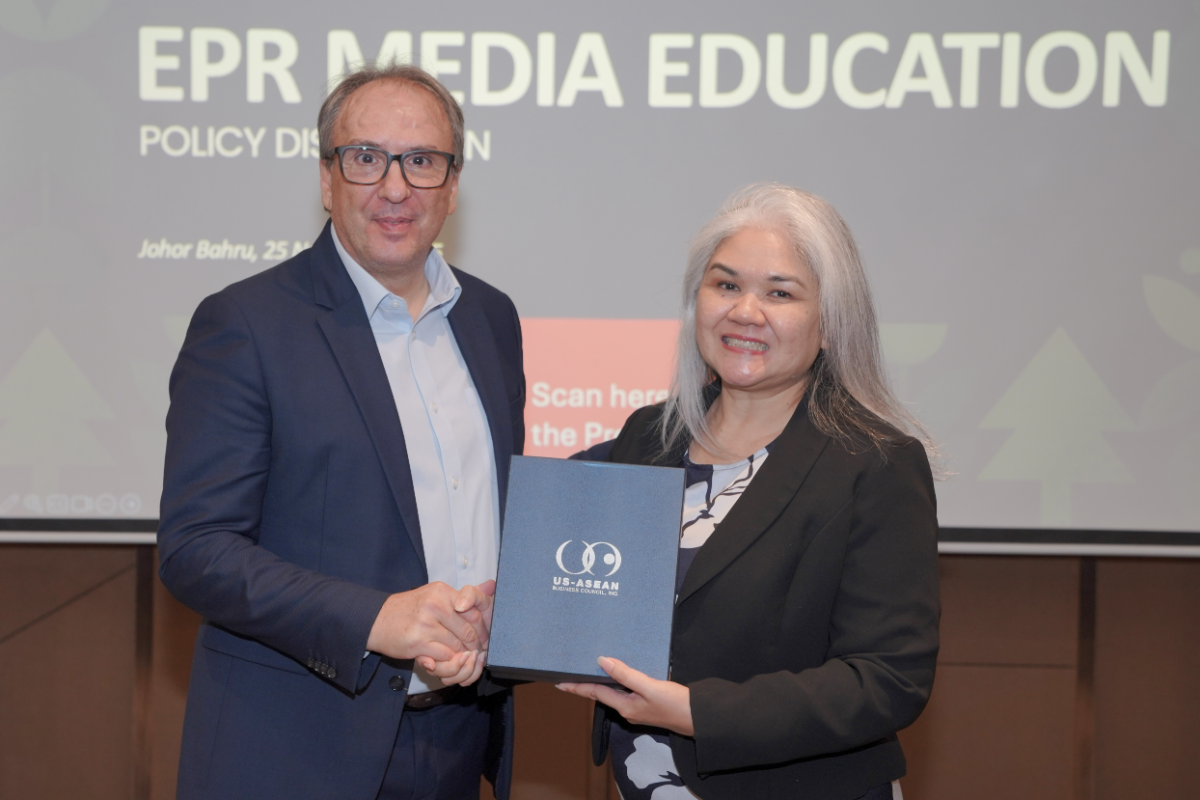
Malaysia’s challenge is ensuring its new EPR framework integrates smoothly with its existing waste management structure. Malaysian Recycling Alliance CEO Roberto Benetello said policymakers must avoid creating parallel systems.
“The most important issue in Malaysia right now is to find a way to integrate EPR into the current waste management system. We cannot take the money from EPR and start buying trucks and redoing everything that the waste management companies are already doing,” he said.
Benetello added that Malaysia’s recycling supply chain is intertwined with informal collectors, junk shops and intermediaries, making system visibility essential.
“We spent three years going through the whole supply chain because the informal sector is in layer three or layer four. You need to understand them before you design an EPR system that works,” he said.
Regional lessons on design, dignity
Indonesia’s recycling sector offers examples of how social inclusion and technology can strengthen recycling performance. Mahija Foundation, which partners with industry and recyclers, is working to increase safety, transparency and fair compensation for informal waste workers.
Its chairwoman Ardhina Zaiza said responsible recycling must uplift the people who provide much of the region’s recovered material.
“A circular economy must be inclusive and ethical. At Mahija Foundation, we are implementing the Responsible Sourcing Initiative to ensure that the transition from informal to formal waste management puts people first,” she said.
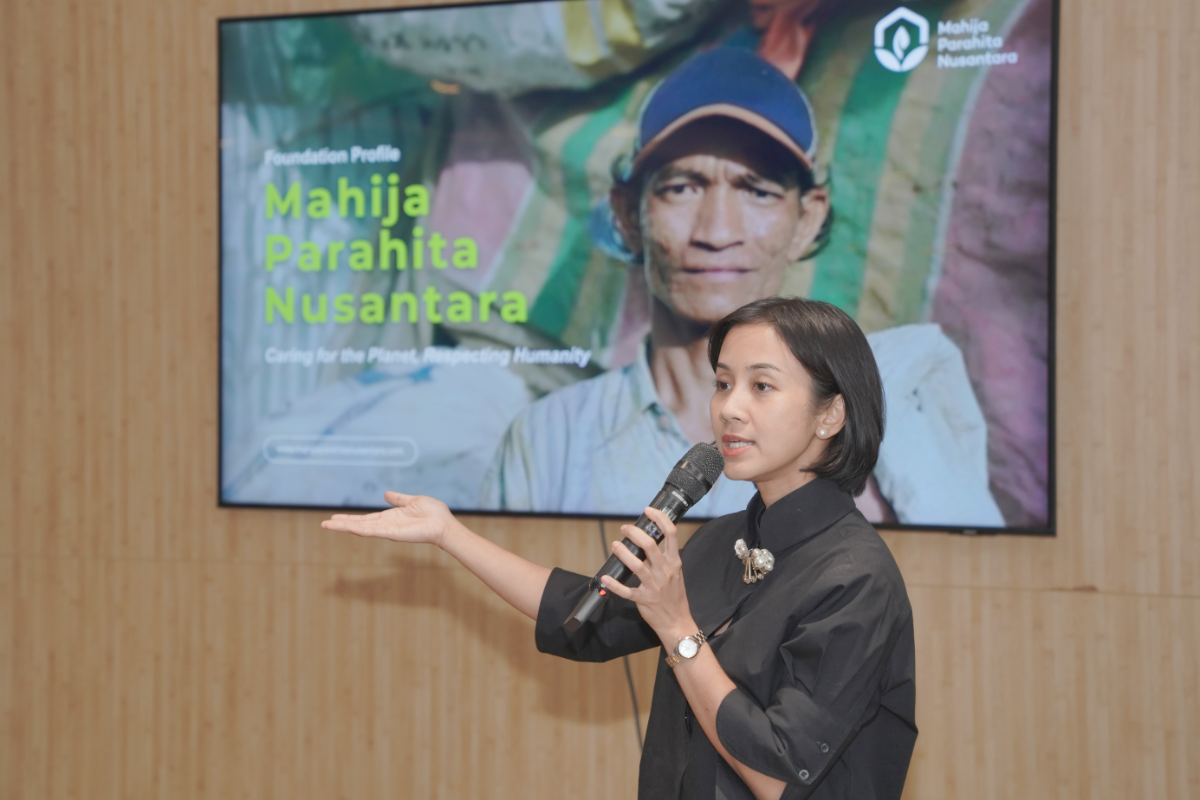
She added that embedding fair labour standards improves the material quality and the integrity of the recycling chain.
“This ensures that the high-quality material entering the recycling loop is not only environmentally sustainable but socially responsible,” she said.
The technological capabilities at Indonesia’s Amandina Bumi Nusantara plant also illustrate what is possible at scale. Automated sorting lines, digital controls and food grade verification systems show how modern recycling can function when clean inputs and stable supply are available.
For Malaysia, these examples offer insight into how technology can support quality and traceability as national systems mature.
Asean’s shared direction
Coca-Cola director of packaging sustainability Umesh Madhavan said EPR systems only function when each part of the chain has a defined responsibility.
“Clear roles are important. Government sets the rules while producers and the PRO operate the system and ensure that collected material has a second life,” he said.
Asean is now moving toward systems that combine stronger design standards, clearer data, digital traceability and more inclusive waste networks. For Malaysia, the task is to build an EPR model that strengthens domestic recycling while aligning with regional expectations.
By improving feedstock quality, integrating informal collectors and adopting transparent reporting, Malaysia can contribute meaningfully to Asean’s collective shift toward a circular future.
The challenges remain large, but the region is beginning to build the systems, structures and partnerships needed to turn its recycling ambitions into long-term reality.



