




KUALA LUMPUR: An end-to-end early warning system is crucial to mitigate and reduce disaster-related losses across countries in Southeast Asia, a former Japanese ambassador to Malaysia said.
Dr Masahiko Horie, who now serves as Adjunct Professor at Malaysia-Japan International Institute of Technology (MJIT), University of Technology Malaysia (UTM), pointed out that to function effectively, the system needs to be humane, people-centred and responsive to local realities.
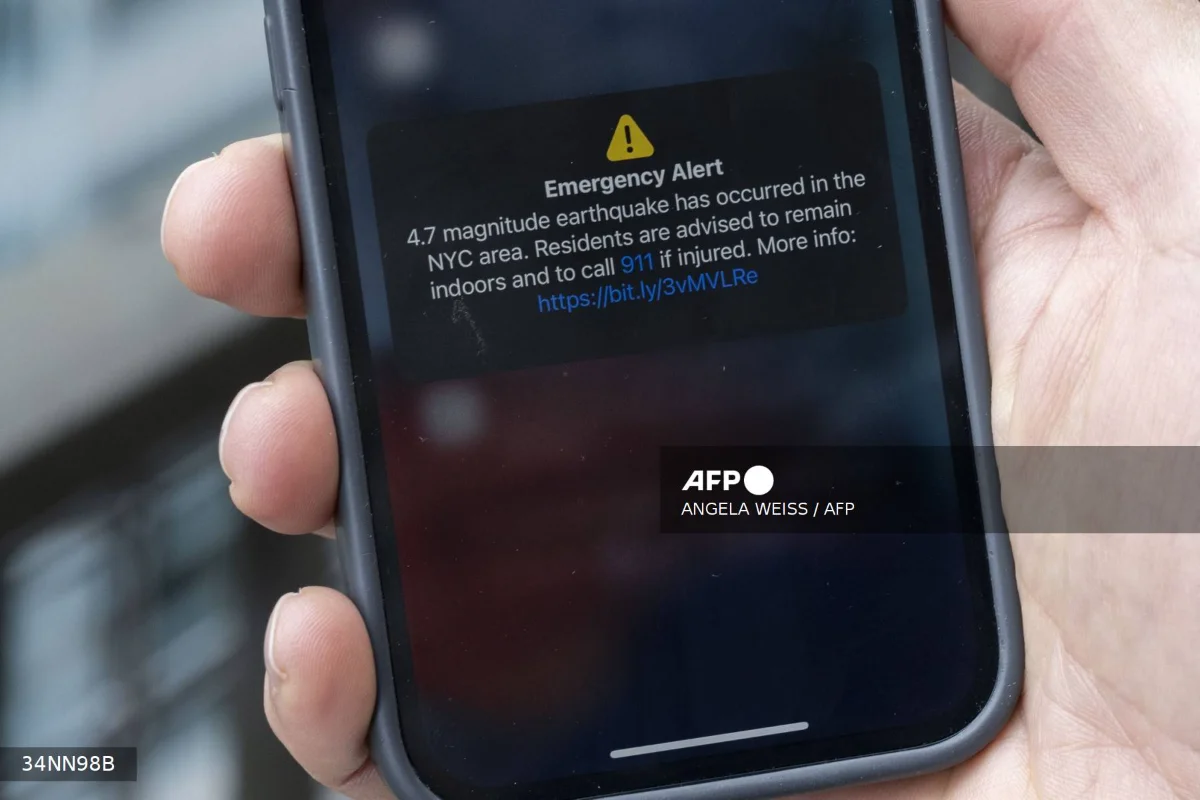
The system should also be integrated with hazard detection, monitoring and forecasting capabilities through sensors and satellites, with warnings disseminated via SMS, TV, radio and sirens, supported by community response and preparedness.
“In many cases in Asia, system failures seem to occur due to poor decision-making, inconsistent risk communication and weak governance. Systems often fail because of a lack of understanding, limited human resources and knowledge,” he said during the Bernama World programme on Bernama TV on Tuesday.
Horie said other countries can learn from Japan’s advanced and modern technology in disaster management, ranging from mapping and monitoring to early warning and prevention.
“Disaster technologies can be fully utilised in the phases of preparedness and prevention before an event, response during the event, and recovery and rehabilitation afterwards. Cost-effectiveness, rapid mobilisation, ease of use and high impact are the indicators of better humanised Disaster Risk Reduction (DRR) technology,” he said.
Horie also highlighted the importance of nature-based solutions, citing Japan’s Satoyama initiative, which integrates environmental conservation with disaster mitigation, noting that such approaches have in many cases proven more effective than concrete infrastructure alone.
He noted that DRR technologies use digital tools like Artificial Intelligence (AI), satellites, drones, IoT sensors, and geographic information system (GIS) for better hazard prediction, early warning, damage assessment, as well as resource allocation.
By integrating data from social media, remote sensing and ground sensors, these technologies can effectively shift disaster management from reactive response to proactive prevention, enabling comprehensive risk assessment, faster information dissemination and stronger community resilience, he added.



