




Civil service shifts to performance-based rewards in SSPA Phase 2, focusing on service quality and innovation to boost productivity and competitiveness.
PUTRAJAYA: The Public Service Remuneration System (SSPA) Phase 2 marks a fundamental shift, making performance outcomes the primary determinant for rewards.
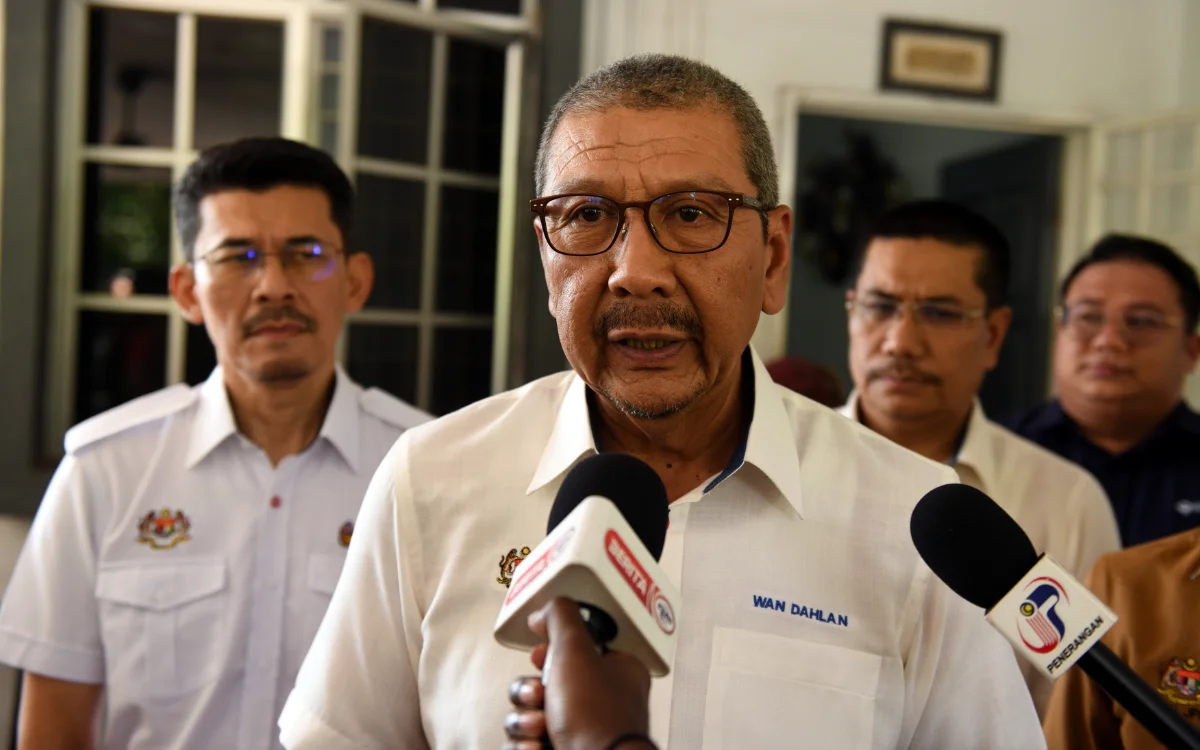
Public Service Director-General Tan Sri Wan Ahmad Dahlan said the new phase emphasises service quality, speed of delivery and innovation as core evaluation criteria.
“The goal is to build an outcome-oriented public service culture that encourages civil servants to be innovative and agile in meeting public expectations,” he told Bernama.
He said the move aims to cultivate a more responsive and productive public service while ensuring value for public funds.
The phased implementation will shift rewards from a scheme-based orientation to one anchored on values, performance and accountability.
The initiative is also a strategic tool to attract and retain high-quality talent, helping to narrow the competitiveness gap with the private sector.
Remuneration structures will be made more competitive, with a focus on critical sectors like digital services, healthcare, education and security.
“A competitive pay structure, supported by continuous professional development, will position the public service more closely with external market standards,” Wan Ahmad Dahlan said.
Overall, SSPA Phase 2 is intended to strengthen integrity, efficiency and competitiveness within the public service.
The study, which began in January, also seeks to reduce the government’s long-term fiscal burden related to retirement benefits.
It aims to enhance productivity through value-based practices, digital adoption and integrity-driven governance.
SSPA Phase 2 builds on Phase 1, which came into force on Dec 1, focusing on human capital empowerment.
The review includes reassessing existing policies and expanding earlier initiatives.
This includes a feasibility study on a special appointment pathway to the Higher Service Group and revisions to training policies.
Wan Ahmad Dahlan said stakeholder engagement remains central to the reform process.
Feedback is being gathered through federal and state-level consultations, including platforms like the National Joint Council and CUEPACS.
“These engagements are ongoing to ensure smooth and orderly implementation,” he said.
He added that SSPA is designed as a catalyst for work culture transformation.
The reform is centred on organisational development, sustainable remuneration and talent management.
“This competency- and values-based reform is expected to inject fresh momentum into the public service, making it more efficient, innovative and responsive,” he said.



