




Conflicting details emerge between US and Nigeria over Christmas strikes on militants, with questions over targets, timing and sovereignty
ABUJA: Conflicting accounts have emerged between the United States and Nigeria regarding surprise military strikes on militants in the country’s northwest.
The two nations agree the strikes targeted Islamic State-linked elements but have provided differing details on the operation’s nature and targets.
US President Donald Trump claimed credit for the strikes on social media, stating he delayed the action to make it a “Christmas present”.
This prompted immediate concerns in Nigeria about a violation of its sovereignty.
Nigerian Foreign Minister Yusuf Tuggar later insisted it was a joint operation authorised by President Bola Tinubu, with Nigeria providing intelligence.
Tuggar also claimed the US backed out of issuing a joint statement, releasing its own announcement first.
Nigeria’s information minister, Mohammed Idris, said the strikes hit “two major Islamic State (ISIS) terrorist enclaves” in Sokoto state’s Tangaza district.
He stated “16 GPS-guided precision munitions” were deployed using MQ-9 Reaper drones from maritime platforms in the Gulf of Guinea.
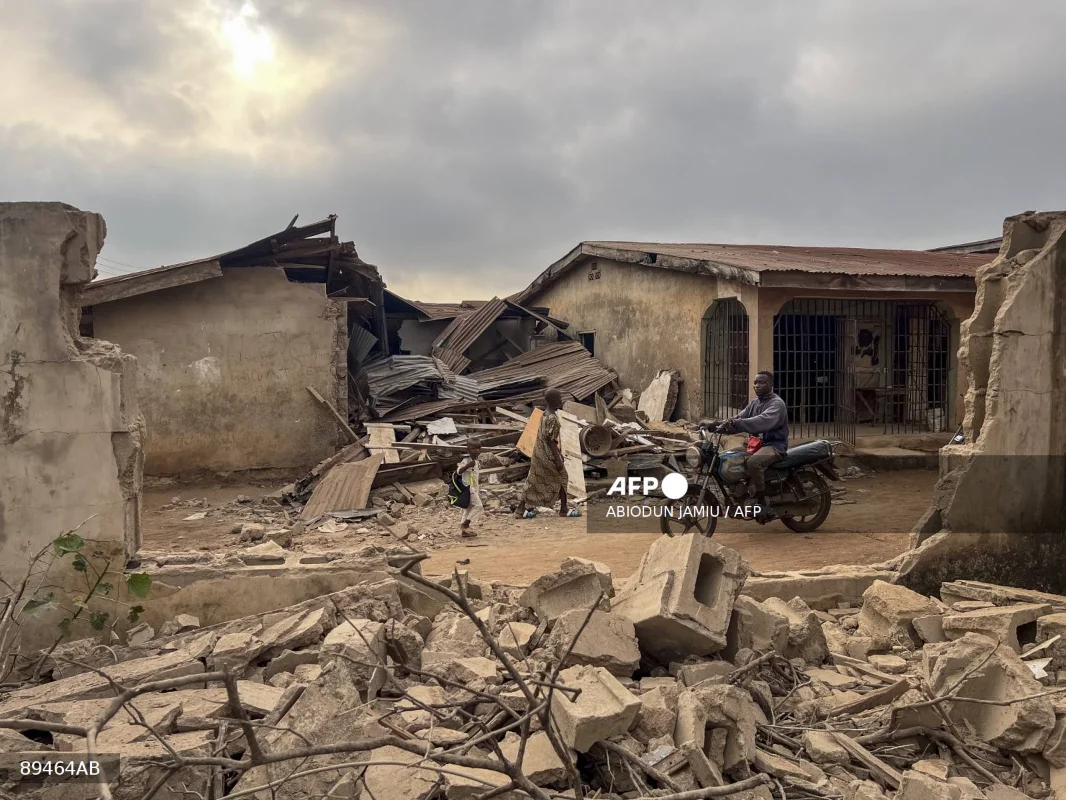
Debris from the strikes reportedly hit other villages, causing property damage but no civilian casualties.
Images from the village of Offa showed crumbled buildings with roofs caved in and belongings scattered.
Local resident Haruna Kallah said explosions in Jabo town “surprised us because this area has never been” an armed group stronghold.
Activist Omoyele Sowore criticised the lack of clarity, saying “neither Nigeria nor its so-called ‘international partners’ can provide clear, verifiable information”.
Analysts and the opposition People’s Democratic Party slammed the government for letting foreign powers announce the operation first.
The choice of target location has also caused confusion, as Nigeria’s main jihadist threat is concentrated in the northeast, not the northwest.
Some researchers have linked the Sokoto-based group Lakurawa to Islamic State Sahel Province, though other analysts dispute this.
The strikes follow a diplomatic spat after Trump framed Nigeria’s violence as “persecution” against Christians, a claim rejected by Abuja and independent analysts.
Critics argue the framing of violence in religious terms, lack of clarity on targets, and Christmas timing suggest the attack was more symbolic than substantive.
Both countries have indicated that further strikes remain possible.



