




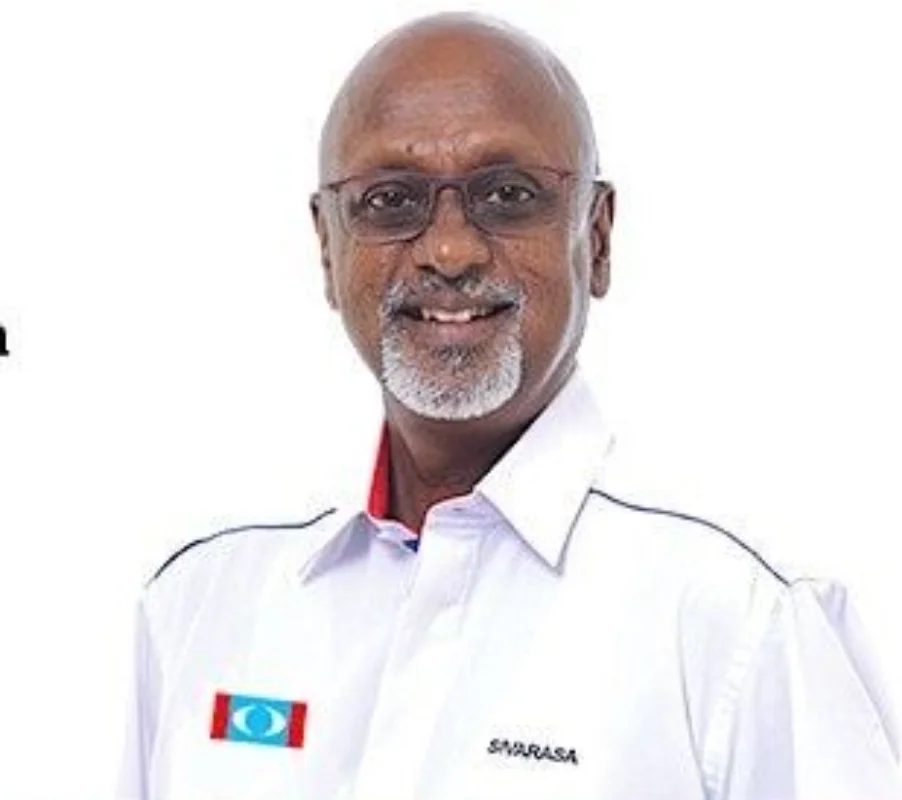
Former MP Sivarasa Rasiah says similar trade union names are unavoidable under 2024 law amendments that allow multiple unions in the same industry.
PETALING JAYA: Similar names among trade unions in the same industry are unavoidable when their organisational scope overlaps, said former MP Sivarasa Rasiah, as objections rise over a newly registered union in the rubber sector.
The Department of Trade Unions recently registered the National Union of Employees in Companies Manufacturing Rubber Products (2) 2024, alongside the long-established National Union of Employees in Companies Manufacturing Rubber Products, which has been registered since 1962.
On Dec 23, theSun reported that veteran trade unionist K. Veeriah had raised objections over the similarity in the names.
Sivarasa, a labour lawyer, said the issue must be understood in light of amendments made last year to the Trade Unions Act 1959 which expanded workers’ freedom to form and choose between unions operating in the same industry, sector or workplace – even when an existing union is already established.
“The objections of some unionists that you cannot have another union with the same scope have been overtaken by the new law.
“Bearing in mind that the same scope is now allowed, can the new name be said to be irrational, unreasonable or contrary to Section 12?” he asked, adding that while the names are similar, they are not identical.
Under Section 12(3)(e)(i) of the Act, the director-general (DG) must refuse registration if a proposed union name is identical to an existing union or if it resembles an existing union to the extent that, in the DG’s opinion, it is likely to deceive the public or members of either union.
Sivarasa said unions organising workers in the same sector face practical naming constraints, particularly when their membership scope is identical.
“If they try to use different words, they may end up with vague, unclear or confusing names.”
He added that similarity in names should not automatically be considered unlawful. “Whilst the name is similar, it is not identical.”
The numerical addition to the new union’s name, Sivarasa argued, clearly distinguishes it as a separate entity with its own leadership and aspirations.
“The discerning public who read both names will probably realise they are different unions and not the same.”
In the current legal context, Sivarasa said, allowing multiple unions in the same industry makes any court challenge to the registration unlikely to succeed.
He emphasised that the amendments were introduced to strengthen workers’ freedom of choice in deciding who should represent them in collective bargaining, with support from both the labour movement and the government to improve compliance with International Labour Organisation conventions.
“However, only one union is allowed to collectively bargain with the employer,” he said, adding that the union chosen to represent workers is determined by a ballot.
Meanwhile, employment lawyer Cheong Yew Sheng said the 2024 amendments did not alter statutory restrictions governing union names.
“The 2024 amendment did not affect Section 12 of the Trade Unions Act 1959; it remains fully applicable today,” said Cheong.
He added that the DG’s discretion in approving union names is strictly subject to Section 12(3) of the Act and is not unfettered.



