




Asian stocks and oil prices climb as investors assess the impact of the US ouster of Venezuelan leader Nicolas Maduro on global markets
TOKYO: Asian stocks and gold rose while oil prices recovered from earlier lows on Monday as investors weighed the impact of the US ouster of Venezuelan leader Nicolas Maduro.
US forces attacked Caracas early Saturday, bombing military targets and spiriting away Maduro and his wife to face federal narcotrafficking charges in New York.
Venezuela has the world’s largest proven oil reserves, and more Venezuelan crude in the market could exacerbate oversupply concerns.
Having initially been in negative territory in early trade in Asia, Brent was 0.28% up at $60.92 per barrel while West Texas Intermediate was 0.16% higher at $57.41.
US President Donald Trump has said the United States will now “run” Venezuela and send US companies to fix its badly dilapidated oil infrastructure.
But analysts say substantially lifting its oil production will not be easy, quick or cheap.
After years of under-investment and sanctions, Venezuela currently pumps around one million barrels per day, down from around 3.5 mb/d in 1999.
“Any recovery in production would require substantial investment given the crumbling infrastructure resulting from years of mismanagement and underinvestment,” UBS analyst Giovanni Staunovo told AFP.
Investing today also holds little appeal as oil prices are weighed down by a supply glut.
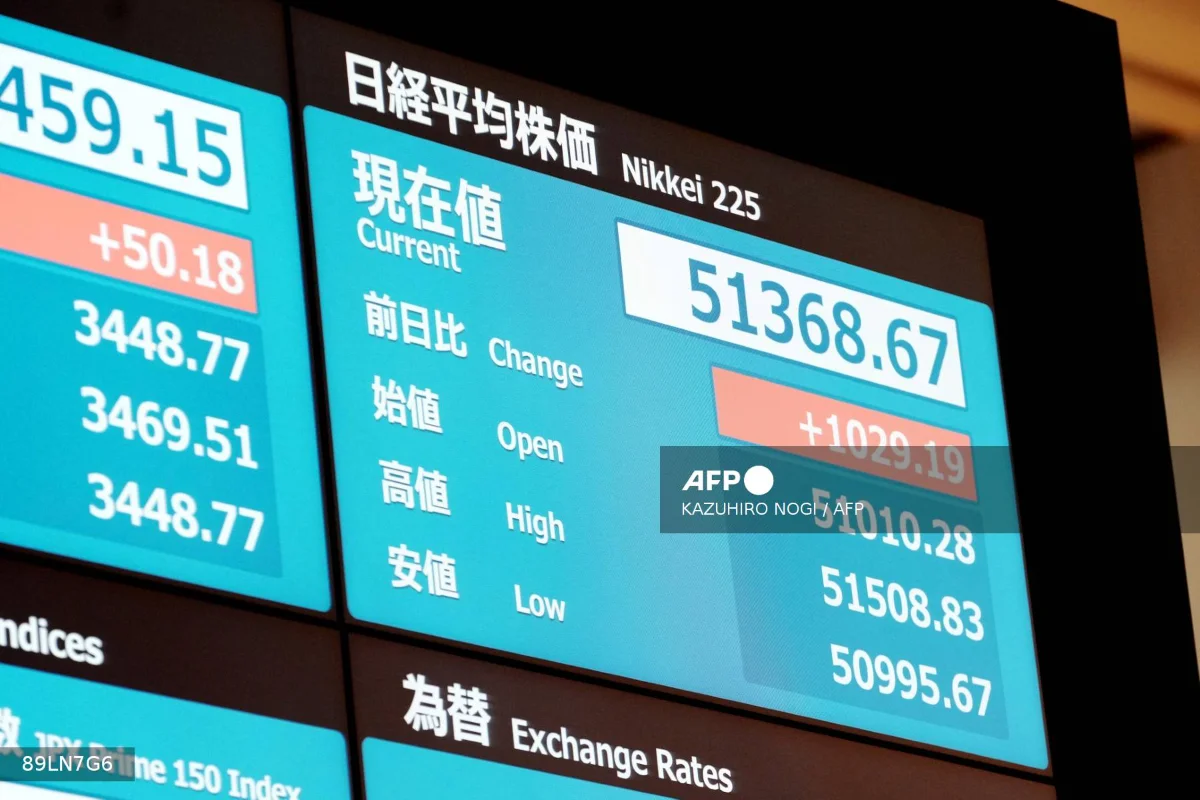
Asian stocks meanwhile saw strong early gains, carrying on from last year on the back of strong appetite for stocks related to artificial intelligence.
Tokyo’s Nikkei was up 2.36% at 51,527.09 points, with tech investor SoftBank up around 4% and chip equipment maker Tokyo Electron 5%.
South Korea’s Kospi was 2.53% higher at 4,418.67 points, with SK Hynix up more than 3% and Samsung Electronics soaring 4.6%.
Safe-haven investment gold was up 1.28% at $4,388 per ounce.
“Valuations remain around levels exceeded only by the Dot.com bubble, while allocation to equities are at elevated levels at the same time allocation to cash is on the low side,” said Kyle Rodda at Capital.com.
“Most simply put, the markets probably need to see more evidence of resilient US growth, continued disinflation and therefore US rate cuts, strong corporate earnings, and the pay-offs from artificial intelligence to keep on rising,” Rodda said in a note.



