




PETALING JAYA: Sime Darby Bhd’s automotive business continued to power the group’s earnings growth, with strong vehicle sales, rising electric vehicle (EV) adoption and robust regional demand lifting performance in the second quarter ended Dec 31, 2025 (Q2’26).
The motors division recorded a 77.1% jump in profit before interest and tax (PBIT) to RM209 million in Q2’26, driven by improved contributions from China, stronger assembly income in Malaysia and higher vehicle sales in Singapore.
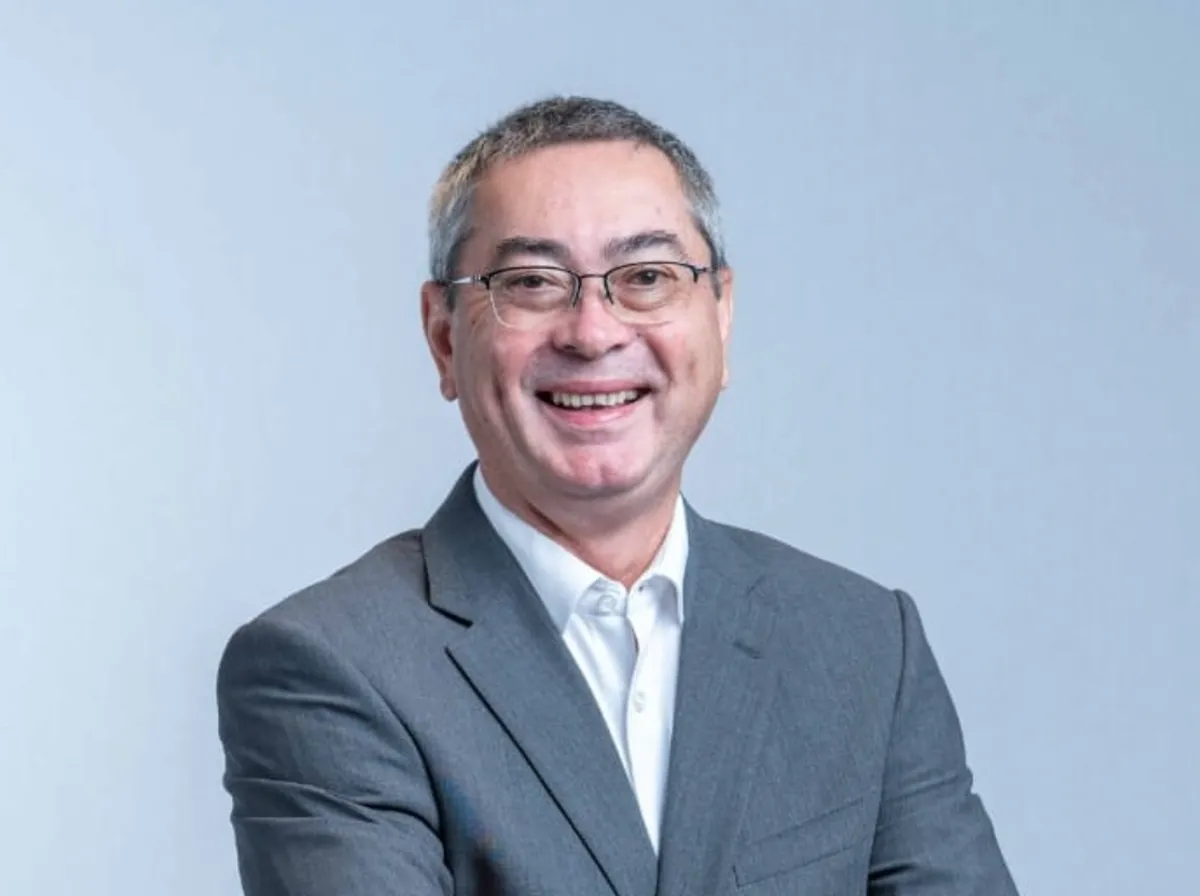
Group CEO Datuk Jeffri Salim Davidson said the automotive segment remained resilient despite stiff competition and currency volatility, supported by its diversified brand portfolio and regional presence.
“Our motors division has been pretty resilient and continues to contribute positively, supported by strong performances across multiple markets,” he said at a media briefing today.
The division’s performance was underpinned by rising EV demand and stronger sales momentum across key markets, including Singapore, where EV brands such as BYD and BMW continued gaining traction.
Singapore has emerged as the largest revenue contributor in the motors segment, reflecting the growing adoption of electrified vehicles and favourable market dynamics. The group launched several new models, including BMW’s locally assembled EV offerings and BYD models in Singapore, strengthening its electrified vehicle lineup.
For Q2 FY26, Sime Darby’s net profit rose 41.3% to RM431 million from RM305 million a year earlier, supported by stronger automotive earnings and lower financing costs. Revenue increased 7% to RM19 billion from RM17.7 billion previously.
For the first half of FY26 (H1’26), net profit stood at RM786 million, down from RM1.1 billion a year ago due to the absence of a one-off gain from the disposal of Malaysia Vision Valley land.
Revenue for the period edged higher at 2.82% to RM37 billion from RM35.99 billion posted in H1’25.
However, excluding exceptional items, core net profit rose 15% to RM766 million from RM664 million previously, reflecting improved operational performance.
Jeffri said the group’s efforts to strengthen its financial position had resulted in healthier cash flow generation and lower debt, reducing financing costs by nearly RM100 million during the period. “We have remained focused on strengthening our balance sheet, generating healthy cash flow and reducing debt. We will continue to prioritise financial discipline while maintaining market share against stiff competition.”
Sime Darby declared an interim dividend of three sen per share for H1’26.
The group’s automotive business also benefited from strong demand in Malaysia, where its subsidiary UMW continued to deliver steady performance.
Toyota remained the top non-national brand, surpassing 100,000 units in annual sales for four consecutive years, while Perodua retained its dominance in the domestic market with a 43.9% share in 2025.
Meanwhile, the industrial division faced headwinds, with PBIT falling 11% to RM300 million in Q2’26, driven by lower contributions from Australasia and Malaysia. This was mainly attributed to cautious spending by miners, who deferred equipment maintenance and repairs amid softer commodity prices and cost pressures.
However, Jeffri said the slowdown was temporary and underpinned by timing rather than structural weakness.
“Miners may delay maintenance for a period, but eventually they will have to carry out repairs and servicing. Long-term demand for commodities such as copper and iron ore remains strong,” he added.
Despite near-term industrial softness, Sime Darby maintained a positive outlook, supported by sustained automotive demand and long-term industrial growth prospects.
The group’s diversified business model, spanning automotive distribution, assembly, equipment sales and engineering, continued to provide earnings stability across different markets and economic cycles.
With EV adoption accelerating, expanding regional automotive operations and improving financial discipline, Sime Darby remains well positioned to navigate market uncertainties while sustaining earnings growth.
Sime Darby operates in 18 countries and territories with over 30,000 employees and a market capitalisation of RM16.22 billion as at Feb 25.



