




UK government faces fierce criticism after slashing overseas aid by up to 90% for some African and Asian countries, NGOs warn of deadly consequences.
LONDON: The UK government faced growing criticism on Friday from NGOs after detailing severe cuts to overseas aid budgets, in some cases up to 90 percent, for countries in Africa and Asia.
Bilateral aid spending will be slashed by 43 percent over the next three years, equivalent to more than £1 billion ($1.3 billion), according to analyses of the foreign ministry’s annual accounts released Thursday.
Some of Africa’s lowest-income countries, such as Malawi and Mozambique, will see UK aid fall by 90 percent by 2029 compared to pre-cut levels, the development charities umbrella group Bond calculated.
Afghanistan and Myanmar will see their aid slashed by nearly 40 and 30 percent respectively in the financial year to 2026-27, it noted.
The Foreign Commonwealth and Development Office (FCDO) had pledged to prioritise “fragile and conflict-affected states” when reducing budgets, Bond said, but other war-scarred countries like Syria, Somalia and South Sudan were set to be severely affected.
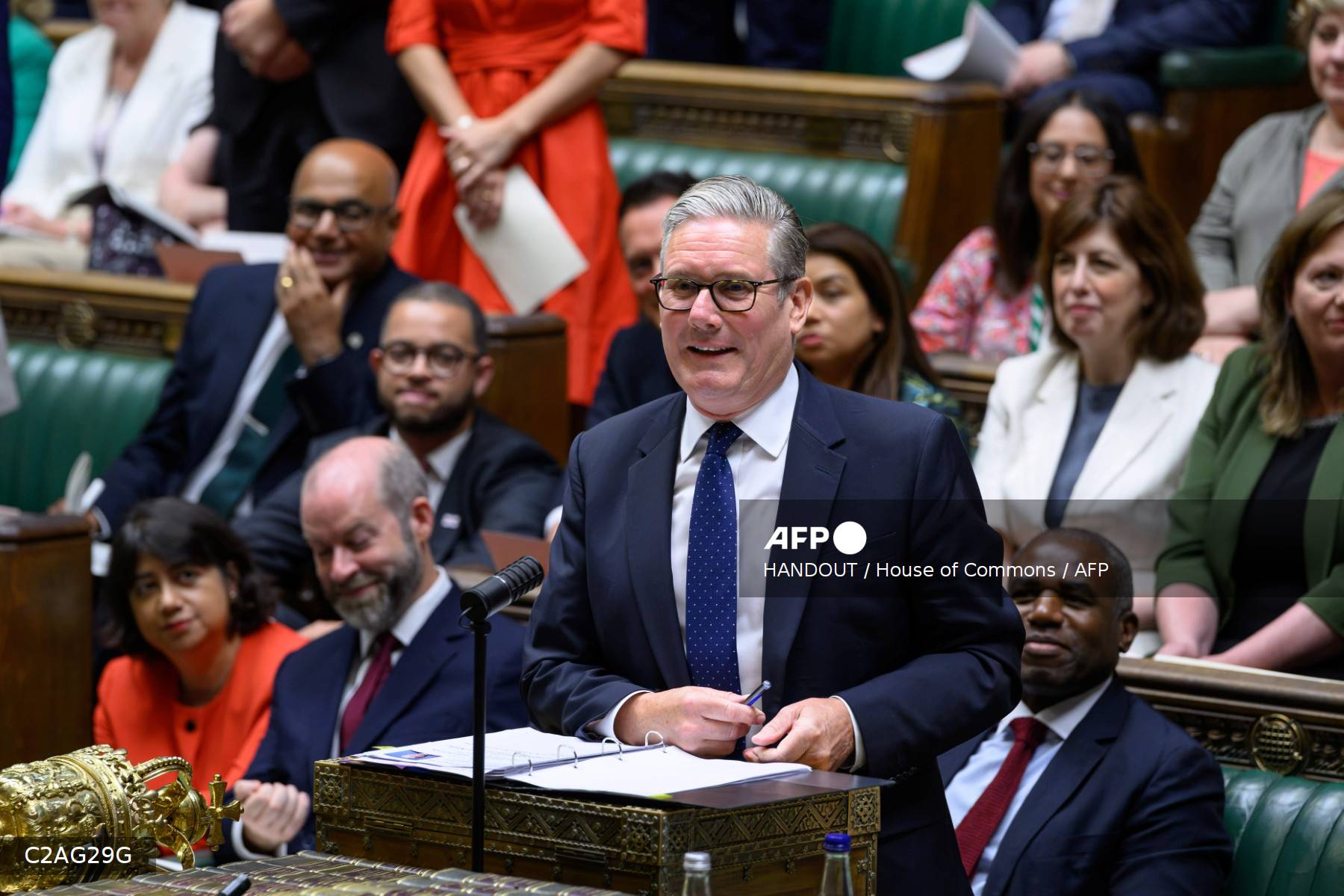
Outgoing Prime Minister Keir Starmer announced the cuts last year to increase defence spending, prompting the resignation of Britain’s international development minister.
“British aid to Burma saves lives so these cuts will kill people,” said Anna Roberts, executive director of rights group Burma Campaign UK, said Friday, using Myanmar’s country name prior to its 1948 independence.
She accused Starmer and Foreign Secretary Yvette Cooper of “failing the people of Burma” by “cutting off aid instead of cutting off arms and money” to Myanmar’s military rulers.
‘Unconscionable’
Oxfam GB’s Jean McLean said the government had “taken a wrecking ball to the aid budget at exactly the moment when conflict, humanitarian crises, hunger and climate breakdown are driving global need to record levels”.
“They will be felt by families facing starvation, children denied healthcare and education, and communities struggling to survive the impacts of conflict and climate disasters.”
Children’s charity Plan International UK called the cuts “unconscionable” while Save the Children UK said the country “should be stepping up its international leadership, not retreating”.
Many urged former Greater Manchester mayor Andy Burnham, who is set to replace Starmer as prime minister on Monday, to act.
“A new prime minister has a chance to turn the page,” Adrian Lovett, head of the Africa-focused One Campaign NGO, said.
“We urge Andy Burnham, often dubbed the ‘King of the North’, not to forget the Global South,” he added, noting he “has built his career on standing up for communities that felt left behind”.
The UK made spending 0.7 percent of gross national income (GNI) on overseas aid a statutory duty. The Conservative government reduced that to 0.5 percent in 2020 following the Covid pandemic.
Starmer then announced in February 2025 plans to slash it further, to 0.3 percent of GNI, to boost defence spending to 2.5 percent of the economy by 2027.
Aid minister Jenny Chapman defended the move Thursday, saying the government was not “turning away” from global challenges and “making every pound of UK development spending work harder”.



