




SERI KEMBANGAN: Malaysia is seeking to attract higher-yield travellers who stay longer and spend more as competition for international tourists intensifies across Southeast Asia, with the government placing greater emphasis on tourism that delivers stronger economic returns.
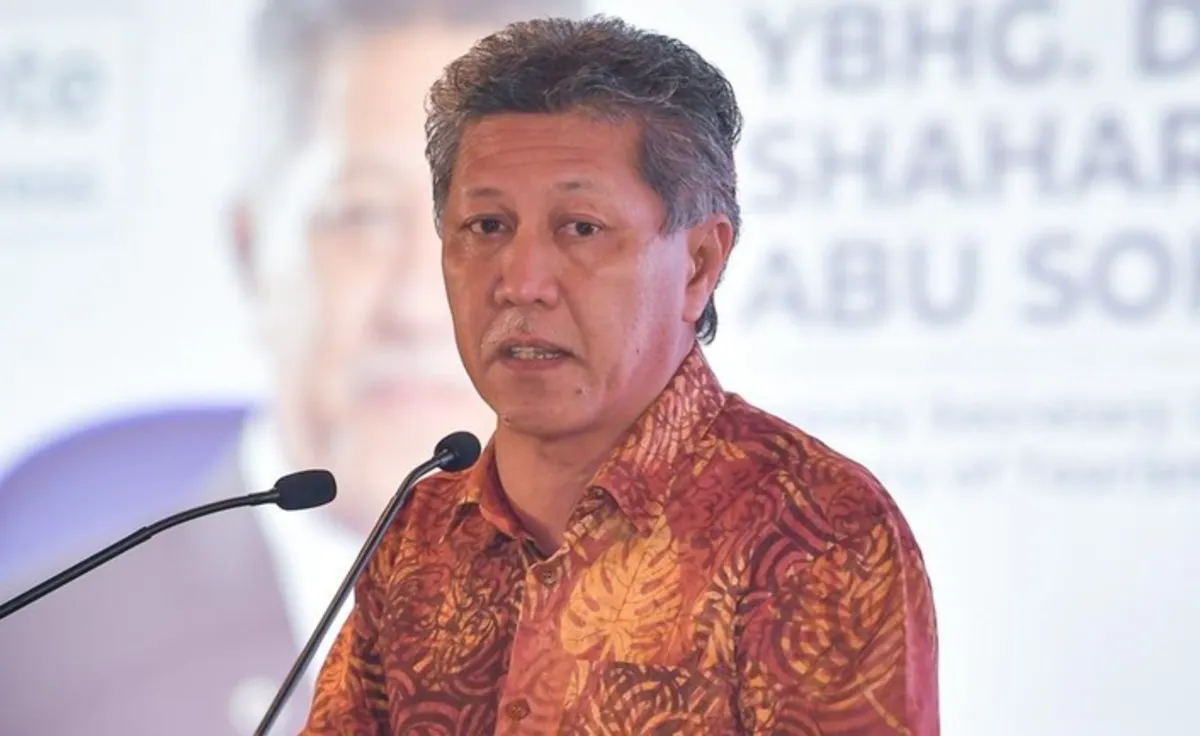
Ministry of Tourism, Arts and Culture (Motac) secretary-general Datuk Shaharuddin Abu Sohot said the success of the Visit Malaysia 2026-2027 (VM2026-2027) campaign should ultimately be measured not only by visitor arrivals, but also by the economic value tourists generate for the country.
“What we actually want are quality tourists, tourists who spend more and stay longer in our country. That is what we aim to achieve in the years ahead,” he told SunBiz in an interview.
While Malaysia welcomes visitors from all markets, he said that a “quality tourist” is defined not by nationality or distance travelled, but by spending patterns and length of stay.
“It doesn’t matter where they come from, whether from far away or nearby. What matters is that they stay longer and spend more while they are here. Even if they only come for a short visit, if they spend a lot, we very much welcome them.”
Shaharuddin said the Visit Malaysia 2026 campaign has made a positive start, with the extension into 2027 aimed at sustaining tourism growth and building on the momentum already seen in international arrivals.
“We are implementing the Visit Malaysia 2026 campaign, and we will extend it until 2027. So far, many international tourists are coming to our country.”
While Malaysia experienced a slight dip in visitor arrivals in May, Shaharuddin said the trend reversed this month, with preliminary figures pointing to a recovery in international tourist arrivals.
He said the earlier slowdown was partly driven by geopolitical tensions in West Asia, but is confident that arrivals would continue to strengthen as travel demand from unaffected markets remains resilient.
“So far, based on what we have seen in July, there has been an increase in visitor arrivals to our country. Compared with May, there was a slight decline, but this month’s statistics show an increase in the number of tourists coming to Malaysia.”
“Yes. We hope visitor numbers will continue to rise, especially from countries that are not affected by war.”
Alongside efforts to attract more international visitors, Shaharuddin said the ministry continues to invest in domestic tourism through collaborative programmes with state governments to stimulate local travel demand.
“Domestic tourism is also doing very well, as we have organised many programmes involving both international and local tourists, including programmes with state governments to activate and further strengthen domestic tourism in particular.”
Malaysia intends to continue developing tourism products according to visitor preferences, recognising that different markets have different interests, Shaharuddin said.
“We will continue developing the tourism sector according to the needs and preferences of tourists. Every country and every group of tourists has different preferences. Some like islands, some prefer forests, some enjoy cities, and so on. Therefore, we develop our tourism sector based on what tourists are looking for.”
Shaharuddin acknowledged that sustained international marketing remains essential as regional competition intensifies.
“We are competing with neighbouring countries. If we do not take action or carry out marketing activities, we will fall behind. Even if we have good tourism products, we still need to market them and actively encourage visitors to come to our country.”
Malaysia, he said, is currently working more closely with its Asean neighbours to strengthen regional tourism. “We are working together with Asean countries to strengthen each other’s tourism sectors, particularly with Singapore, Indonesia, Brunei, Thailand and our neighbouring countries.”
Shaharuddin said culture is a key economic asset that can help achieve Malaysia’s tourism ambitions, with the long-term vision of transforming the country’s rich cultural heritage into a thriving tourism industry.
“Our culture can be turned into a tourism product that will continue to grow over time. We want to promote our culture so that it becomes a thriving tourism sector in the future, alongside our existing attractions such as beaches, islands and eco-tourism destinations.”
While culture has traditionally been viewed as heritage to be preserved, he said it should also be recognised as an industry capable of creating jobs, supporting entrepreneurs and generating sustainable income for local communities.
Shaharuddin said cultural tourism extends well beyond museums and historical monuments, encompassing everything from food and traditional attire to music, dance and the performing arts.
“Within culture, we have our food, clothing, songs, dances and many other elements that we showcase to tourists. It is certainly a field that can generate income for those involved, including singers, dancers, food vendors and many others.”
Malaysia’s multicultural society, he said, gives the country a distinct competitive advantage by offering visitors a diverse range of authentic cultural experiences.
While pursuing stronger tourism growth, he stressed that environmental sustainability will remain a priority.
“We do not want our environment to be damaged as a result of tourism. There must be a balance. We want tourism to benefit local communities while protecting our heritage.”
State governments and local authorities have introduced guidelines to prevent overcrowding at popular destinations, Shaharuddin said.



