





Table of Contents
How local alt-indie bands with diverse styles share same space
THE Klang Valley’s alt-indie scene is not short of bands. What it is short of is a neat definition. Fuad, The Baby Cosmos and Spooky Wet Dreams all sit somewhere inside that loose space, although each arrived there through a different route.
One grew out of a sibling project that took itself seriously only after strangers started listening. Another is still learning how to turn group chemistry into a sound of its own. The third has been around long enough to treat survival as part of the work.
Put together, they show how varied the indie space has become.
Figuring it out with Fuad
Fuad is made up of siblings Lisa, 21, and Arief Fuad, 31, with Lisa on vocals and guitar while Arief handles guitar and produces most of their tracks. They do not write songs together, although they share the indie project, and describe the process as “50-50” because of that separation.

They work on songs independently before bringing them together later. The split extends beyond music, with Arief handling production, mixing and the technical side, while Lisa takes on creative direction, including visuals and merchandise.
“The songwriting is 50-50 because we don’t write together,” Lisa told theSun.
The project only began to feel serious when people outside their immediate circle started listening. Early shows were mostly attended by friends and family, with little reach beyond that.
“A lot of people think we’re a Covid band, but we actually started performing in 2019,” Arief said.
They had already been performing before the pandemic, but wider attention came in 2020 when Mallory was featured on Tapau TV’s radio show. That exposure brought in new listeners and raised expectations for what came next.
“When people started responding to the singles, I felt like there was a higher standard to deliver for the album,” he said.
That pressure shaped Dispositions. Arief spent more time refining production and sought outside input to improve the album’s quality.
“I didn’t really understand those things at the time, so a lot of what I wrote came from other music and movies,” Lisa said.
Much of the album was written when she was between 13 and 15, drawing from films, books and music she was consuming. The themes were already present, even if the understanding behind them was still forming.
“Now it comes more from what we actually experience.”
Her current writing draws more from personal experience. The themes remain centred on uncertainty, but extend beyond teenage perspectives into broader questions around relationships and direction.
Arief also contributes to songwriting. Dispositions was split evenly between them, while newer material leans more towards Lisa’s writing, with Arief bringing in older ideas from his backlog.
“It just sounded more dream pop because I wanted to explore a lighter sound first,” Arief said.
“We didn’t want to stick to one genre,” Lisa said.
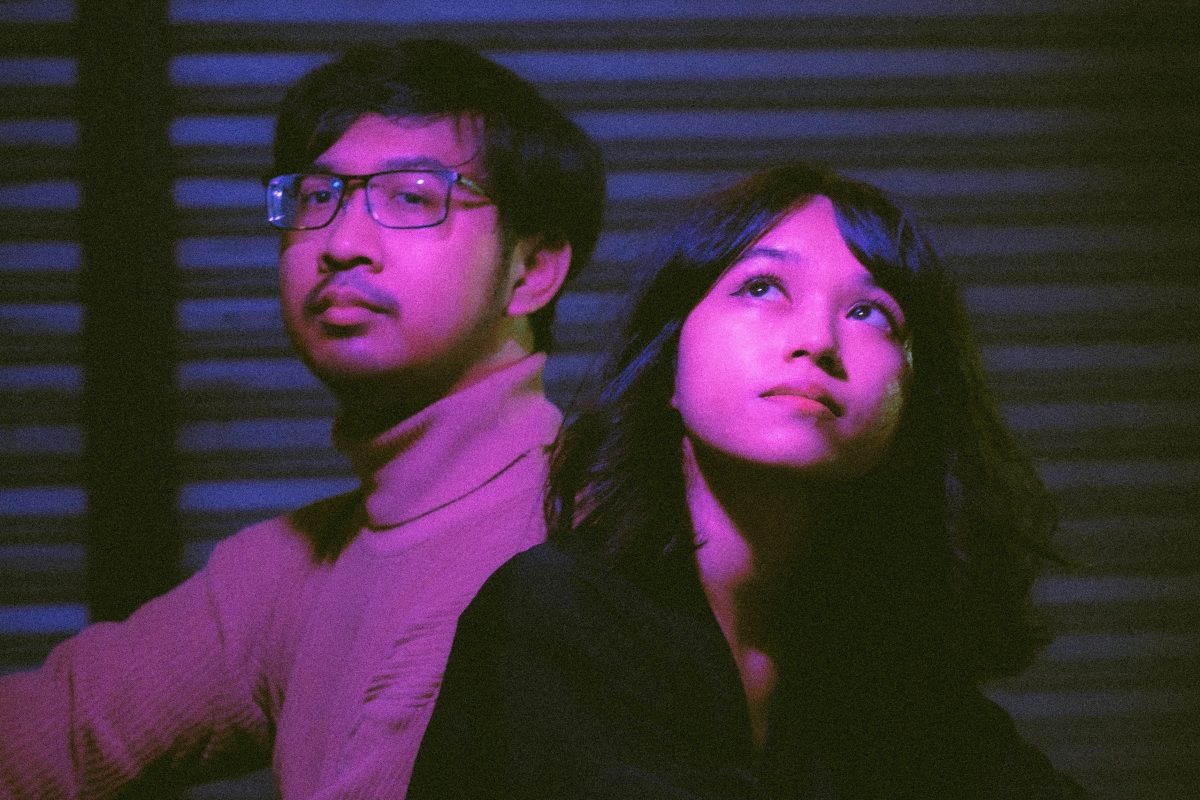
Although often labelled as dream pop, Arief sees their foundation as alt rock, with earlier releases leaning lighter by choice. Lisa describes their direction as unplanned, with an agreement not to limit themselves to one sound.
Most of their music is produced at home, with both working in the same space. The process involves a push and pull, with disagreements around vocals and instrumentation worked through over time.
New material includes collaboration with Arief’s Spooky Wet Dreams co-member Netunoblu, marking their first time working with an external producer. The aim is to develop a more electronic sound while keeping their approach intact.
Their influences overlap in a small way, from Bee Gees, Abba and Pavarotti to My Chemical Romance and Alvvays. That shared ground shaped what Fuad became.
The Baby Cosmos shapes songs together
The Baby Cosmos is made up of Timothy George, Darrel Jacques, Joseph Khoo and Isra Gomez, a four-piece that builds its sound as a group. The indie band formed in 2022, although the members had already been playing together in different combinations for years.
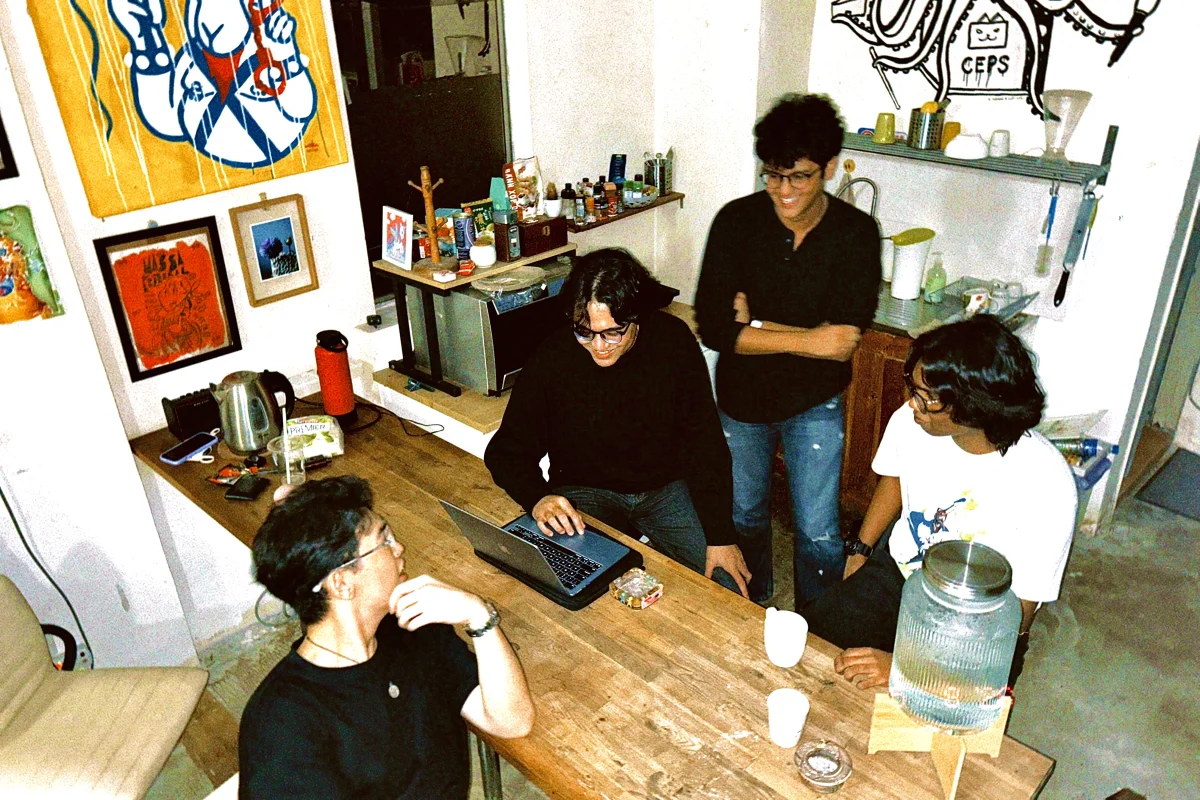
“We all individually played for church, but we weren’t formed as a church band,” George told theSun.
They came in with that background, but the indie band itself was built around original material. Early on, songs were brought in fully written, which made things straightforward but limited how much others could change.
“Before, one of us would come in with a full song and we would just play it,” he said.
That approach did not last. Ideas now come in loose, sometimes just a short phrase or a progression, and are worked through together.
“We used to write songs in two hours, now it takes months,” George said.
The difference is in how much gets reworked. Parts are tested, dropped or rewritten until the track holds up as a full arrangement.
“You start by sounding like others, but over time, you insert your own influences and it becomes yours,” Jacques told theSun.
Those influences are still clear in places, from The Strokes to Arctic Monkeys, but they do not stay fixed. Songs move depending on what works.
“One song started from three notes and everyone played something on top of that,” George said.
That kind of starting point carries into the band’s EP The Human Condition, which stays focused on relationships and everyday situations without trying to expand beyond that.
“It’s about feelings, human experiences, human encounters,” Jacques said.
Everything is handled within the indie band. Recording and production are done on their own terms, shaped by what they have available.
“It’s all DIY. We don’t really have resources to spend a lot on recording,” George said.
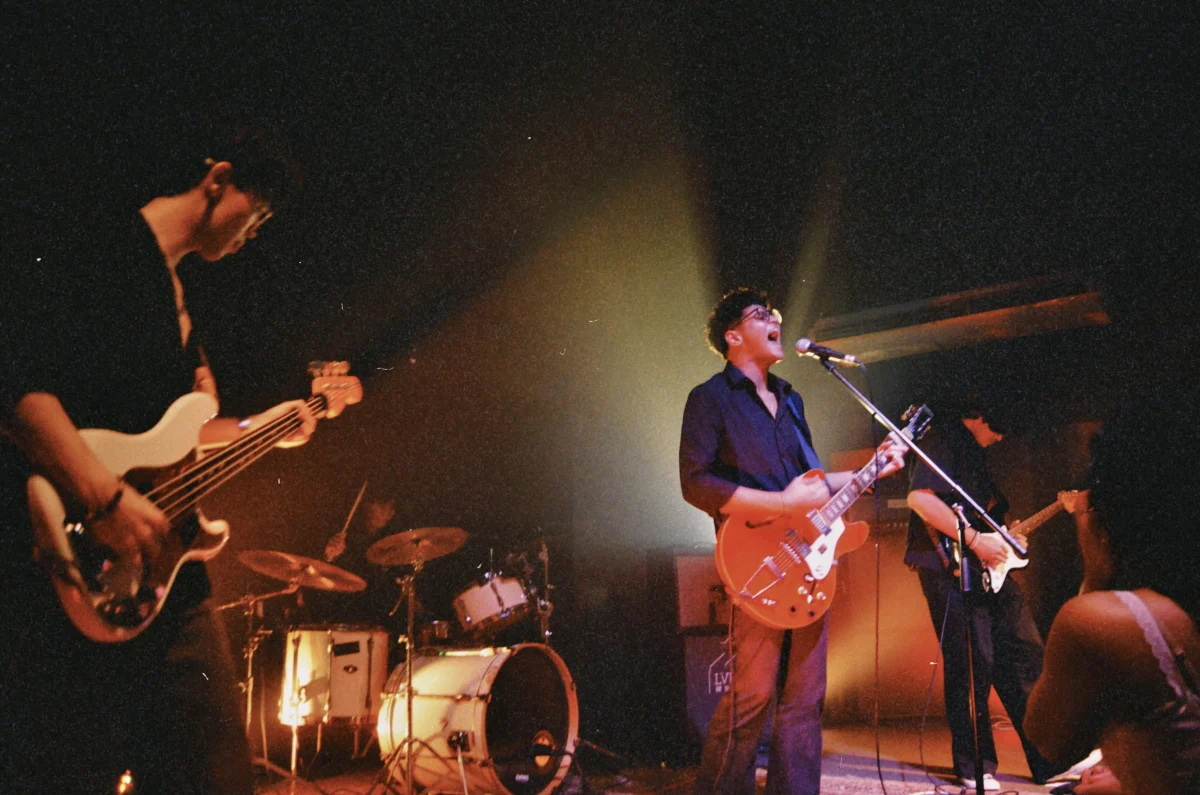
Playing live is where things continue to change. Songs do not stay locked in and are adjusted depending on the set.
“Every time we play, it can be different.”
Most of them are now moving into full-time work, which limits how often they can meet. Even with that, they keep writing, recording and planning what comes next.
Spooky Wet Dreams is the blueprint
Spooky Wet Dreams was formed in 2015 by twins Shazwan Zulkiffli, known as Ze, and Shazwani, or Nani, after years of playing together in school.
“The main lyricist and ideator is me, but we all compose together,” Ze said.
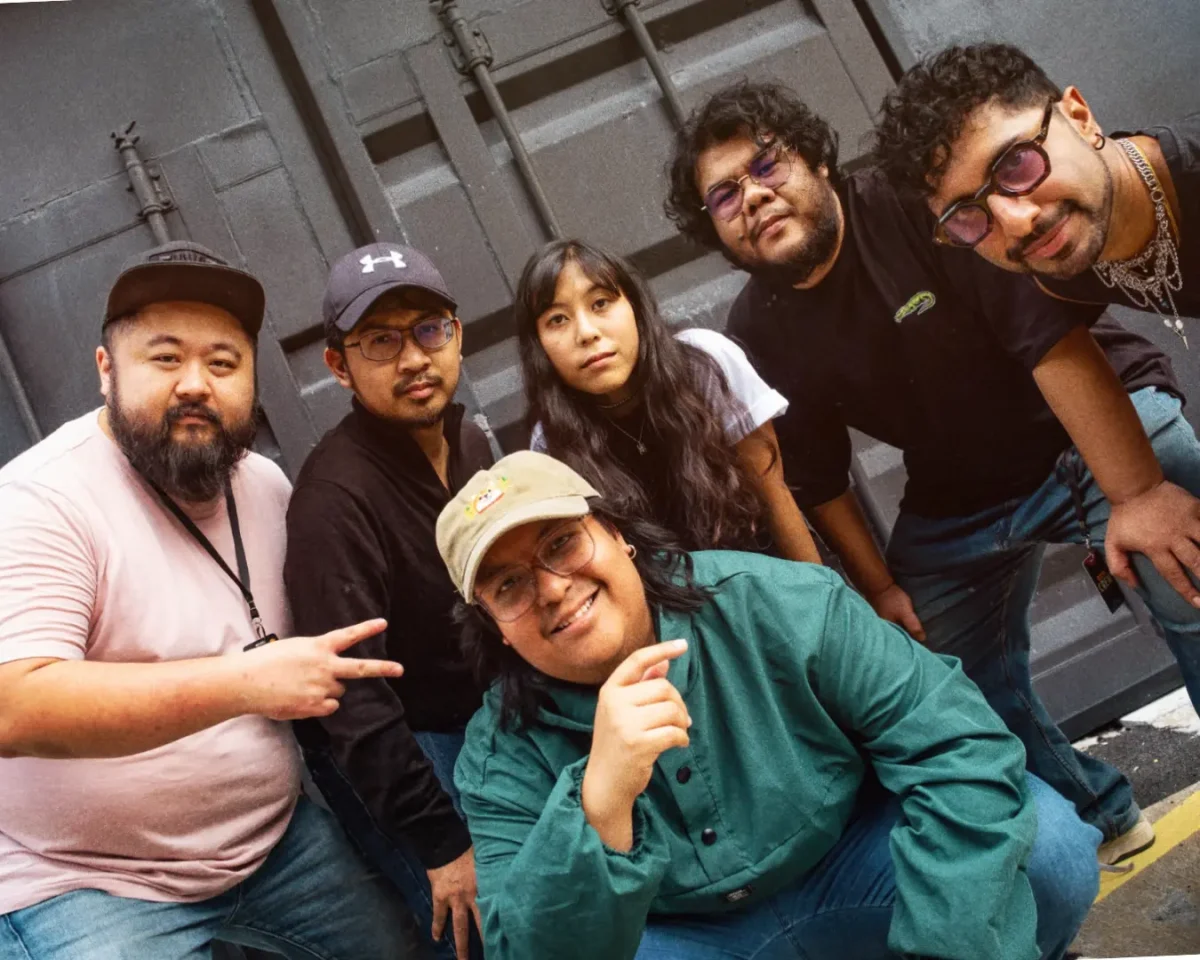
The indie band works across its own members, including Matt Liew, Netunoblu on drums and Arief Fuad, with production handled internally depending on the track.
Nani handles rhythm and keeps the process organised. Her role is less visible, but it shapes how the band holds together.
“She keeps everyone in check,” Ze said.
The writing stays focused on things people do not usually say directly. That has been consistent since their earlier releases.
“Spooky’s identity has always been about writing about things people don’t really express,” he said.
Earlier indie work leaned more openly into political frustration. The tone was sharper and the delivery was more direct.
“I feel like we’re still political, just covering different parts of political impact.”
The subject has not changed, but the approach has. Nani points out that they no longer rely on volume to get the point across.
“We realised we don’t always have to be loud and angry to actually say something,” she said.
That change came with time. The band has been active long enough to move through different phases without having to restart its identity.
“As we grow, Ze’s vocals are getting deeper, more low end,” Nani said.
Ze links that to finding a voice that fits. His influences range from punk bands such as Ramones and The Clash to crooners such as P. Ramlee and Frank Sinatra.
“I realised my voice was always there, I just had to find it again,” he said.
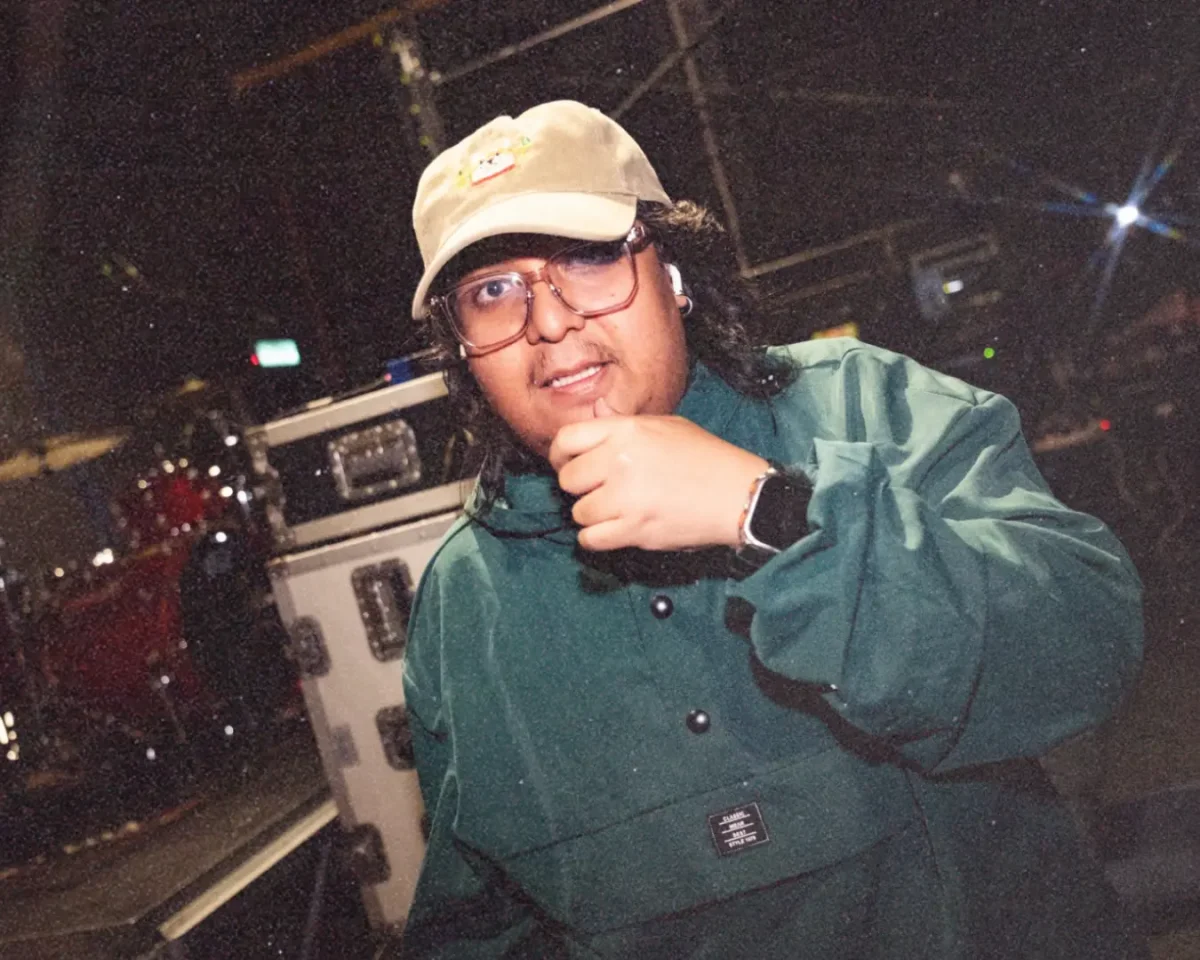
The band draws from a mix of influences across its members. That comes through in rhythm and structure, rather than being tied to one sound.
On the practical side, they operate like most bands in the scene. Not everyone is doing this full-time.
“Not everybody can do this full-time,” Ze said.
They balance the band with other work, recording in different spaces depending on what is available. Even with that, they have stayed consistent with releases and live shows.
AI in music
Artificial intelligence (AI) comes up differently for each band, but none of them treat it lightly.
For Fuad, the divide is internal. Arief sees AI as a tool that can sit in early stages, useful for demos, placeholders or repetitive work that does not need a human touch yet. He draws the line at finished music, where the output is meant for listeners. Lisa does not make that distinction. She rejects generative AI outright, pointing to how AI tracks are already filling streaming playlists, especially in lo-fi and instrumental spaces. For her, the issue is not just quality but where the money goes, with royalties moving away from real artistes.
The Baby Cosmos approaches it from a distance. The band does not use AI in its process, partly because of its DIY setup and partly because its writing depends on group interaction. Songs are built through trial, revision and live testing, which leaves little room for generated shortcuts.
Spooky Wet Dreams sits somewhere in between. They recognise AI as part of a wider system-shaping music, but their focus stays on writing drawn from lived experiences. Their concern is about what gets lost when the musical process is replaced.
Wider, more varied indie space
The local indie scene has grown more layered over time, with more voices, more approaches and more room for bands to work on their own terms. What stands out is the range, not just in sound, but in how artistes choose to write, record and present their work.
There is no fixed direction, and that is what keeps the indie scene moving. Across that range, what stays consistent is the intent to make something honest, to put something out that reflects where they are. That, more than anything, is what continues to shape the scene.
READ MORE:
How KLPac’s Jazz Spectrum is changing Malaysia’s jazz scene
The Strokes release second single from upcoming album
The All-American Rejects return with new album ‘Sandbox’



