




Table of Contents
Netflix’s latest rom-com is at its best when it explores grief and sisterhood, with Zoey Deutch carrying the emotional weight of the film
Netflix markets Voicemails for Isabelle as a romantic comedy, but its greatest strength lies elsewhere. Beneath the meet-cute and familiar rom-com formula is a moving story about grief, sisterhood and learning to let go. It is in those quieter, deeply emotional moments that the film finds its identity.
Powerful opening
The story follows Wes (Nick Robinson), who begins receiving voicemail messages intended for Isabelle after inheriting her old phone number. Instead of deleting them, he listens to increasingly personal messages left by Isabelle’s grieving sister, Jill (Zoey Deutch). Those recordings slowly pull him into Jill’s life, setting up an unconventional romance built on chance and shared heartbreak.
The opening act is easily the film’s strongest. Jill’s voicemails to her late sister are heartbreaking, capturing the rawness of grief without feeling melodramatic. The relationship between Jill and Izzy becomes the emotional anchor of the story, and every flashback or voicemail between the sisters lands with genuine impact. Ironically, those moments are so compelling that they make the romance feel almost secondary.
Zoey Deutch steals every scene
Much of the emotional weight rests on Zoey Deutch, who delivers one of her strongest performances to date. Whether she is breaking down in private, lashing out at the arrogant Chef Bastien and Tyler or pouring her emotions into another voicemail for Izzy, Deutch moves effortlessly between vulnerability, humour and anger.
Even her quieter moments stand out. The little pauses, unfinished sentences and natural speech patterns make Jill feel like a real person rather than a quirky rom-com heroine. Her performance is so convincing that viewers cannot help but root for her from beginning to end.
Romance that never fully lands
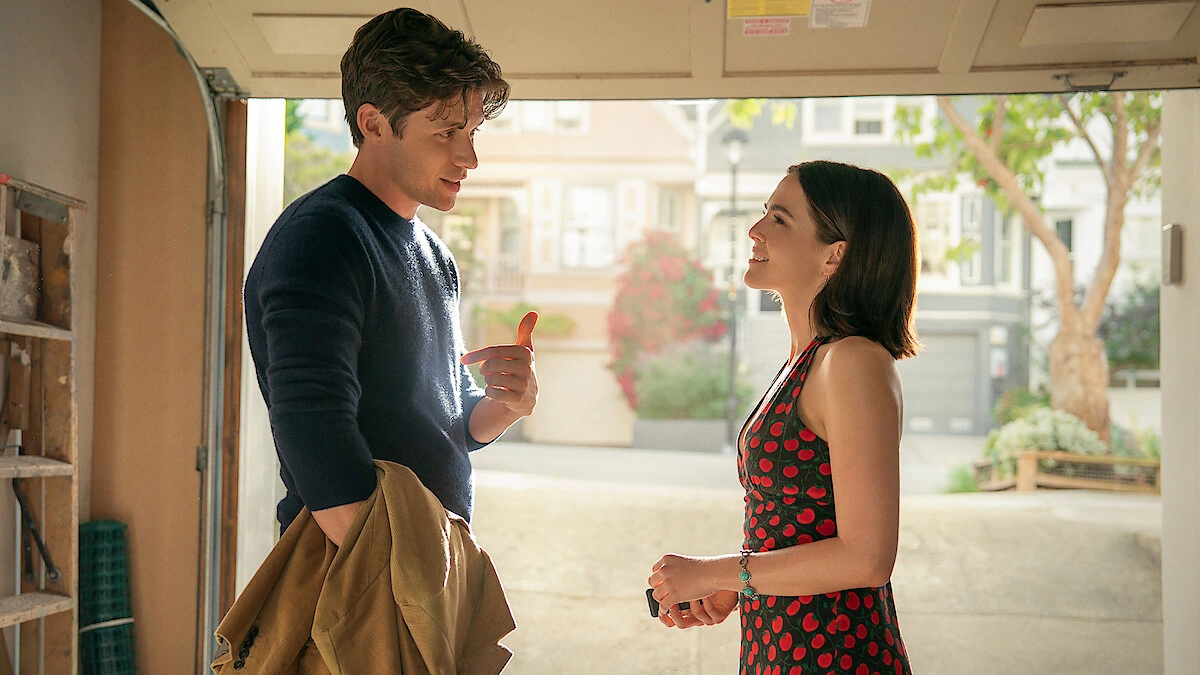
The chemistry between Jill and Wes develops gradually, and the pair share several genuinely sweet moments. Wes’ heartfelt confession about why he falls for Jill is one of the film’s highlights, while an intimate kitchen sequence proves that restraint can be far more romantic than explicit scenes.
Ironically, the film’s actual sex scenes are among its weakest moments. There are multiple intimate scenes that add little to the story or character development, making them feel more obligatory than meaningful. In contrast, the decision to leave Jill and Wes’ most significant intimate moment largely to the audience’s imagination feels far more effective.
Unfortunately, the romance itself never becomes as compelling as the grief narrative. Once the film shifts its focus towards Wes pursuing Jill, the emotional momentum established in the opening act begins to fade. The voicemail concept is fascinating enough to carry an entire film about loss and healing, yet it gradually becomes a vehicle for a conventional love story instead.
Underwritten leading man
That is partly because Wes remains surprisingly underdeveloped. Beyond being repeatedly described as kind and likeable, the film offers little insight into who he actually is. His professional storyline and personal interests are mentioned more than they are explored, making it difficult to connect with him on the same level as Jill.
His decision to travel to another city to meet a woman he only knows through private voicemails also carries an uncomfortable edge that the film brushes aside too easily. While the comparison to Sleepless in Seattle is clearly intentional, constantly reminding audiences of a beloved romantic classic only invites comparisons that do not necessarily work in the film’s favour.
Style over substance
The supporting cast fares unevenly. Nick Offerman brings his trademark comedic energy, but some scenes push his performance into exaggerated territory, occasionally disrupting the film’s grounded emotional tone. Likewise, the recurring jokes aimed at the celebrity chef rely on predictable insults that quickly wear thin instead of becoming genuinely witty.
Visually, Voicemails for Isabelle is less successful. Much of the cinematography feels surprisingly flat, with repeated close-ups of phone screens, messaging apps and social media interfaces resembling technology advertisements more than cinematic storytelling. The irony is not lost when a software update ultimately wipes the treasured voicemails that drive the entire plot.
There are also moments that unintentionally break the illusion. Although the story unfolds during Christmas and New Year in Austin, the lush greenery throughout makes the festive setting feel oddly disconnected from the season. The soundtrack is similarly inconsistent. While some quieter pieces complement the emotional scenes, much of the music lacks the emotional resonance needed to elevate key moments.
Emotional ending, mixed execution
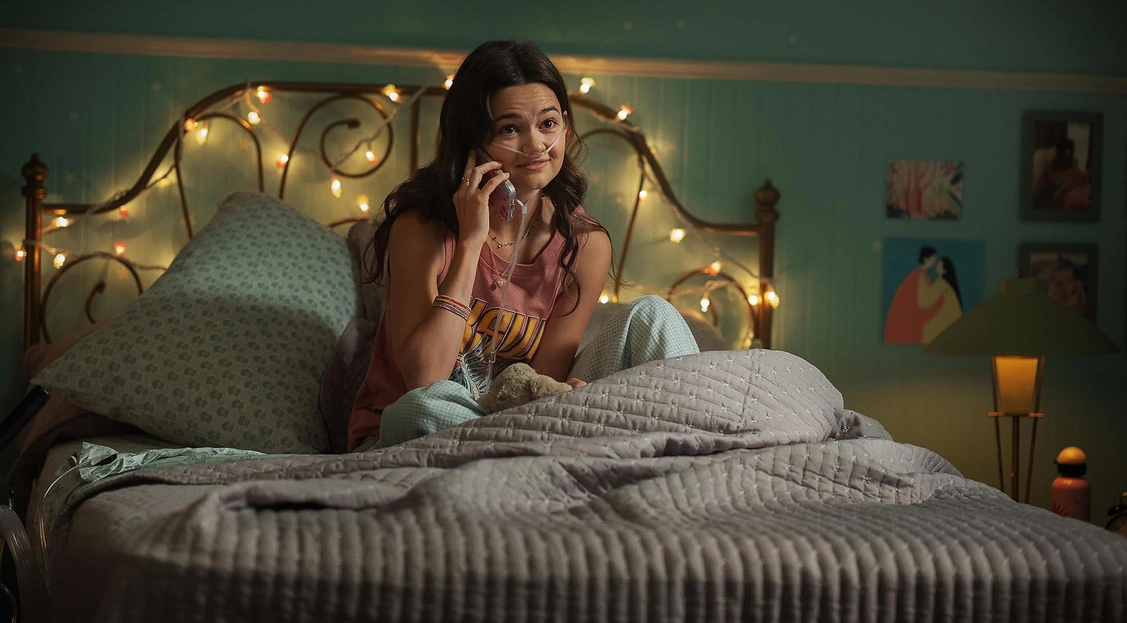
The film does, however, end with mixed emotions. Jill’s final voicemail to Izzy is intended to symbolise acceptance and moving forward, but declaring it her “last voicemail” feels unnecessarily absolute. Grief rarely works that way. The idea that she would never speak to her sister again, even during life’s biggest milestones, feels less like closure and more like a missed emotional opportunity.
Ultimately, Voicemails for Isabelle works best when it embraces its story about grief instead of trying to become a traditional romantic comedy. Jill’s journey of healing, supported by Zoey Deutch’s remarkable performance, is powerful enough to carry the film on its own. The romance, while occasionally charming, often feels like an unnecessary layer added to an already compelling emotional story.
It is an imperfect film with uneven pacing, questionable creative choices and an underwritten male lead. Yet thanks to its heartfelt exploration of loss and one outstanding central performance, it still leaves an emotional impression long after the credits roll.
Director: Leah McKendrick
Main cast: Zoey Deutch, Nick Robinson, Ciara Bravo, Harry Shum Jr
E-Value: 8/10
Acting: 7/10
Plot: 8/10
READ MORE:
Avengers, X-Men, Fantastic Four assemble for a new threat
The Batman returns in first teaser
Good Boys Go to Heaven review: Tense local thriller



