




Table of Contents
Life cycle of most devices, broken down
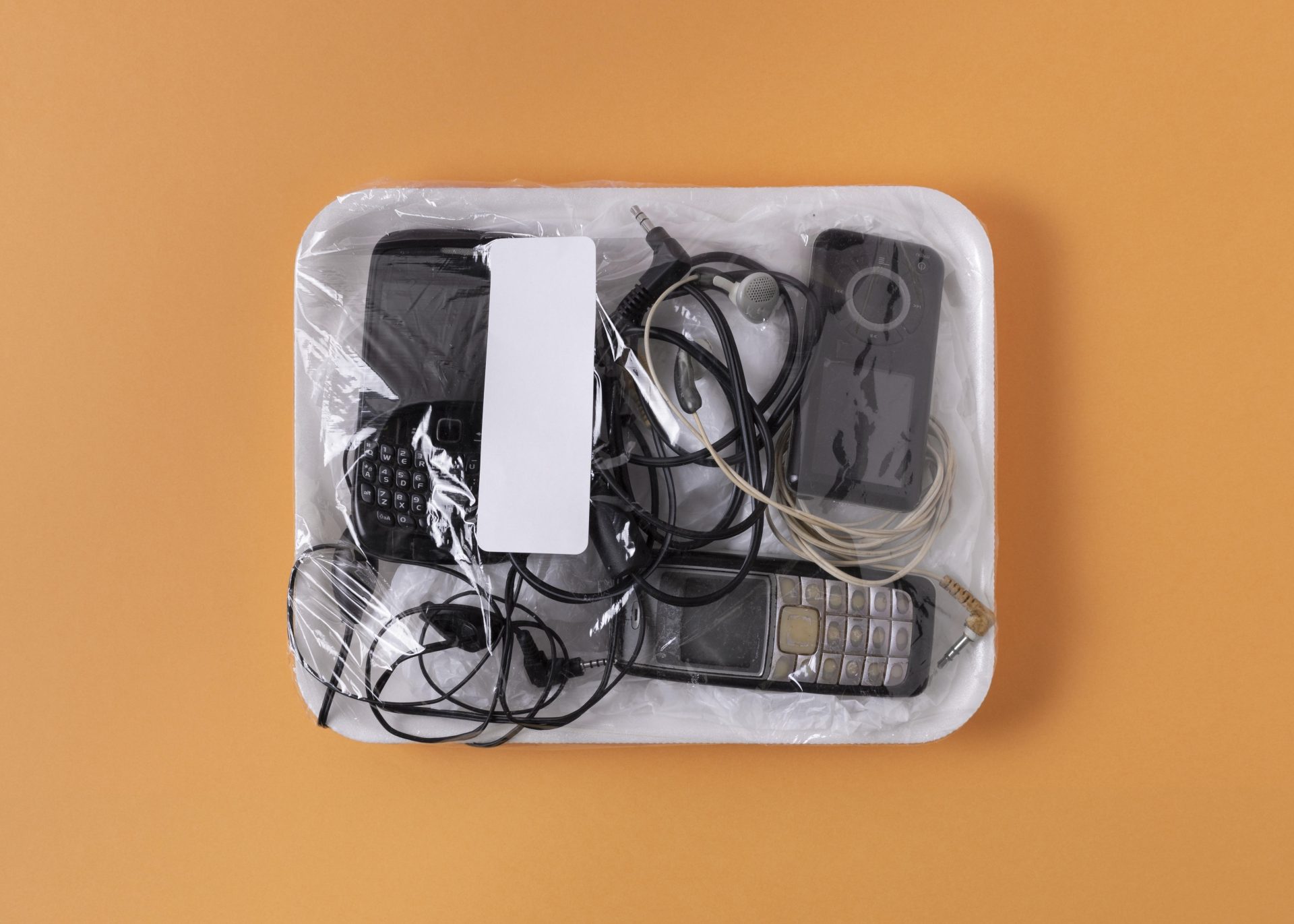
For most, getting a new device is relatively easy. It is either ordered or bought in-store, unpacked and after some tinkering, it is ready for use. Getting rid of the old device that the new has replaced is even easier and for many, this simply involves tossing it away in the trash.
But what happens to these devices? The short answer is that most do not disappear into the aether. These devices will enter a complex chain of being resold, reused, turned into waste or any combination of the three, but not all of it is clean.
Smartphones, laptops, tablets and most electronics have short lifespans in general with users typically replacing them every two to four years.
This user life cycle is sometimes even shorter as brands such as Apple and Samsung release new models each year due to a steady upgrade cycle and it leads to a growing problem: Electronic waste (e-waste).
Second life market
In 2022, the United Nation’s World Health Organisation estimated 62 billion kg of e-waste was produced globally, with only 22.3% being documented as formally collected and recycled.
The rest of the waste would often end up in landfills or informal recycling sites.
Before circling back to the e-waste issue, it should be noted that not every device is immediately thrown away. A lot of devices that still work will usually be resold.
Trade-in programmes and second-hand markets are everywhere and through them, these old devices are refurbished and sold at lower prices.
This chain gives the device a renewed life, with the trickle down effect being one less waste in circulation into landfills. In many developing markets, refurbished devices play a major role in providing digital access to the locals.
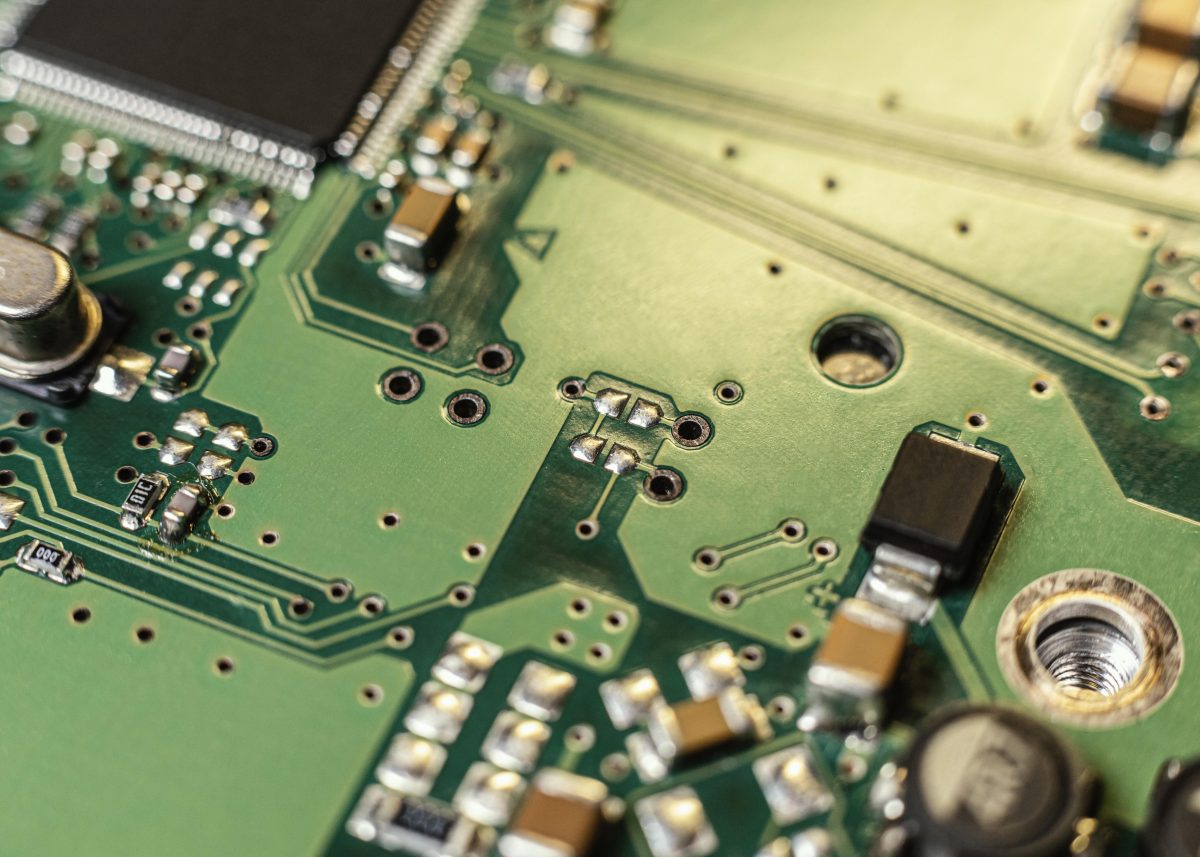
Meanwhile, a portion of the devices are also dismantled for parts with recycling facilities breaking them down into components such as metals, plastics and glass, while valuable materials such as gold, copper and rare earth elements are also extracted and reused.
However, this process requires proper equipment and safety controls. This is where the entire system often breaks.
Hidden global trade
Due to most countries not having either the infrastructure, operational scale or both in place for proper recycling, a large share of the e-waste globally is handled informally. These discarded devices are often shipped, sometimes illegally, to countries with weaker regulations.
For instance, through the past decade, Malaysia has been actively turning back and banning illegal electronic waste imports. For example, from 2021 to 2025, Malaysia reportedly detained 701 e-waste containers from entering the country.
In those countries where the e-waste is shipped to, workers would need to manually break them apart, often without protective gear. They would also need to burn wires to extract the copper or use acid baths to recover metals, which would lead to toxic fumes and water and soil pollution.
The environmental cost does not end there, as improper disposal can leak hazardous materials such as lead, mercury and cadmium into the ecosystem, posing long-term health risks to surrounding communities.
For improperly discarded devices, there is the aspect of a data risk as old devices would contain personal information that can be recovered if the item was sold or discarded without being properly wiped.
Fixing the disposal problem
Some countries are tightening e-waste laws and requiring manufacturers to manage product recycling while tech firms are now offering take-back programmes and recycling initiatives.
However, progress is uneven particularly as many users are still unaware of proper disposal methods and with convenience often dictating behaviour, throwing a device in the trash bin is still a common occurrence.
On the part of the user, they can do their part with simple steps:
➤ Trade in or resell working devices
➤ Use certified e-waste recycling centres
➤ Back up and fully wipe your data before disposal
➤ Avoid unnecessary upgrades
READ MORE:
Are smartwatches accurate for health tracking?
Get these new smartphones for work, photos and gaming
New smartwatch picks for work, fitness and outdoor training
Latest-gen camera picks to shoot your shots in style



