




Table of Contents
Understanding sibling friction, paving path to resolution
Siblings butting heads have long transcended age, ethnicity, gender, economic status, cultures and borders. Experts studying family dynamics note several recurring triggers: attention or resources over rivalry, differences in personality or lifestyle and stress from outside factors. Recognising these sources can help families reduce tension.
One common trigger is competition for parents’ attention or family resources. Young family members, be it teens or adults, may still feel they must compete with siblings over taking responsibility for household chores, receiving financial help or emotional support.
This perceived imbalance often leads to resentment that results in repeated arguments, caused by a build up of small frustrations over time.
Differences in personality and lifestyle also drive conflict, as there are those who are outgoing and social, while some prefer solitude or quiet. As teens become young adults, their routines, ambitions and values may diverge significantly – which can clash with siblings whose lives follow different rhythms.
Small mismatches in habits such as sleep schedules, chores or use of shared spaces can cause repeated arguments, triggering misunderstandings.
Outside of what goes on inside the house, external stress plays a role and may add fuel to the flame. Issues such as school pressure, work demands or financial worries affect mood and patience.
When one sibling feels stressed, they may react more sharply to comments or actions from another. That often ignites arguments over minor matters as temperaments run short and compassion wears thin.
Jealousy or perceived unfairness also plays a role, particularly if one sibling gets more opportunities such as gadgets, travel or parental favour. Such disparity may result in the rest of the siblings feeling overlooked and that feeling can persist into adulthood and trigger disputes when expectations are unfulfilled.
Curtailing sibling civil wars
Giving each person space and respecting boundaries helps as these siblings mature into adults, recognising that each has their own commitments in life and routines reduces friction.
For example, agreeing on separate personal spaces or times to hang out helps manage overlapping needs for privacy and interaction.
Additionally, parents and older family members should be fair in dividing resources and responsibilities and theses matters should be dealt with in full transparency.
Less resentment is felt among siblings when fairness is the standard. This means sharing in chores and expenses equally and talking openly about who does what.
Cultivating good communication habits, especially speaking in calm voices while maintaining honesty will certainly help with relational longevity. Encouraging siblings to voice frustrations without blame can dissipate tension early. Families that use calm language instead of accusations see fewer recurring fights and more diplomacy.
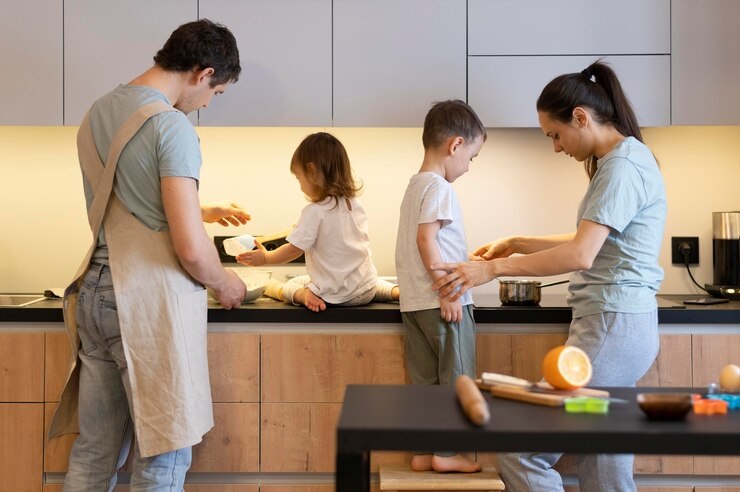
External support or structured activities can help shift relationship dynamics. Shared hobbies, cooperative tasks or family projects build a sense of teamwork. When siblings come together, goodwill and growth are the results.
Finally, empathy and patience go a long way. Understanding that each sibling may face personal stress helps drive empathetic responses. A simple gesture of support or a listening ear can defuse anger and rebuild connection.
It is worth remembering that arguments between siblings are seldom caused by a single factor. They usually are results from a mix of perceived unfairness, personality differences, rivalry and stress.
However, families that commit to fairness, clear boundaries, honest talk and mutual support can turn conflict into something worthwhile, even as siblings grow into adulthood.
READ MORE:
Family gatherings: Why teens, young adults avoid them



