




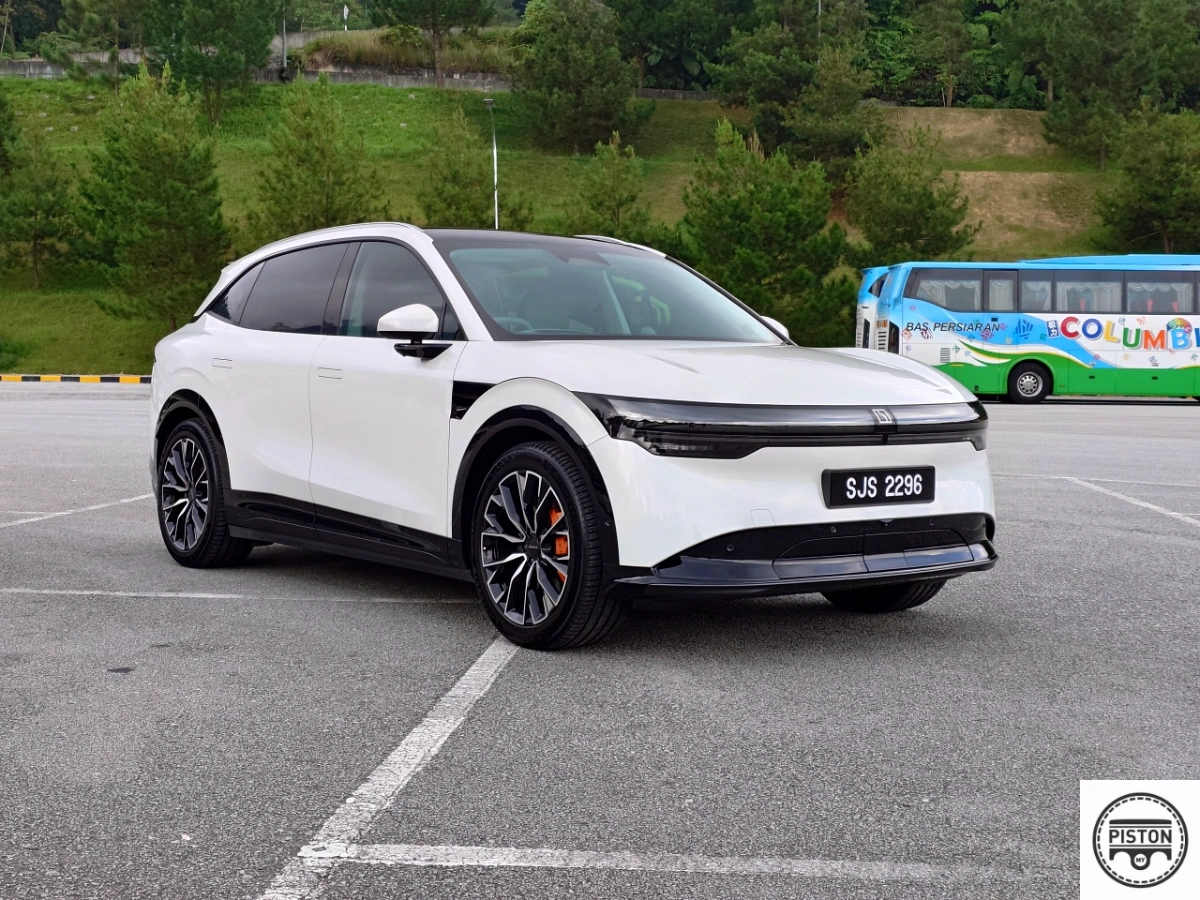
Does the Zeekr 7X outclass traditional premium SUVs?
THERE are cars that impress you because they drive beautifully, or invoke certain emotions. There are cars that impress you on a spec sheet. Then there are cars like the Zeekr 7X, which impresses you because it makes you wonder how is it offering so much at its price point.
In terms of sheer car for the money, especially in the way it presents itself, there is almost nothing else, whether petrol, hybrid or electric, that gives you this much for your money. The version tested here is the Zeekr 7X AWD Performance, priced at RM 230,800.
The AWD Performance sits at the top of the line-up with dual motors, 646PS and 710Nm. It does 0-100kph in 3.8 seconds and uses the same 100kWh NMC battery as the Long Range, though range drops to 543km WLTP.
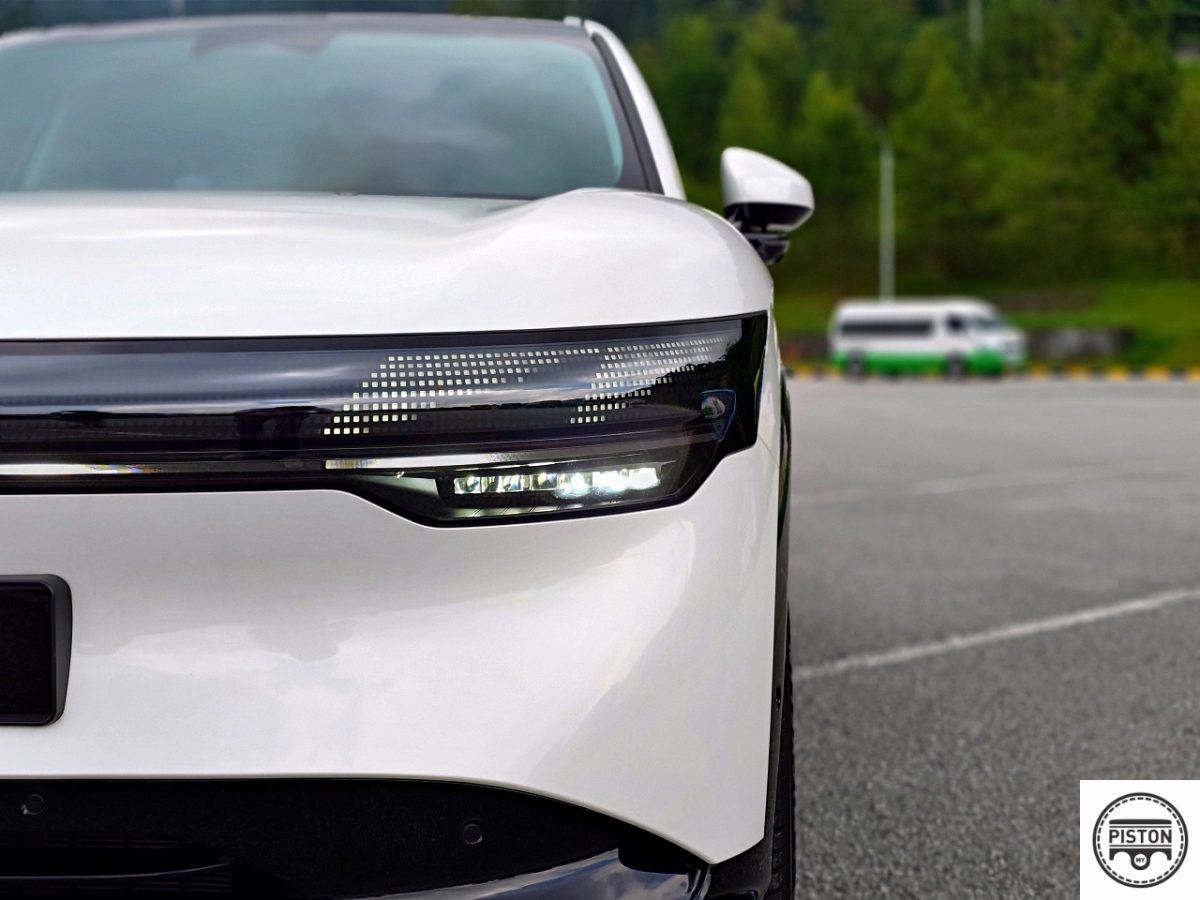
Looks wise, I would say it’s the best one among the competition like the Xpeng G6, Tesla Model Y, or BYD Sealion 7.
It presents itself like a much more expensive car, and its overall design just gives it a strong sense of presence.
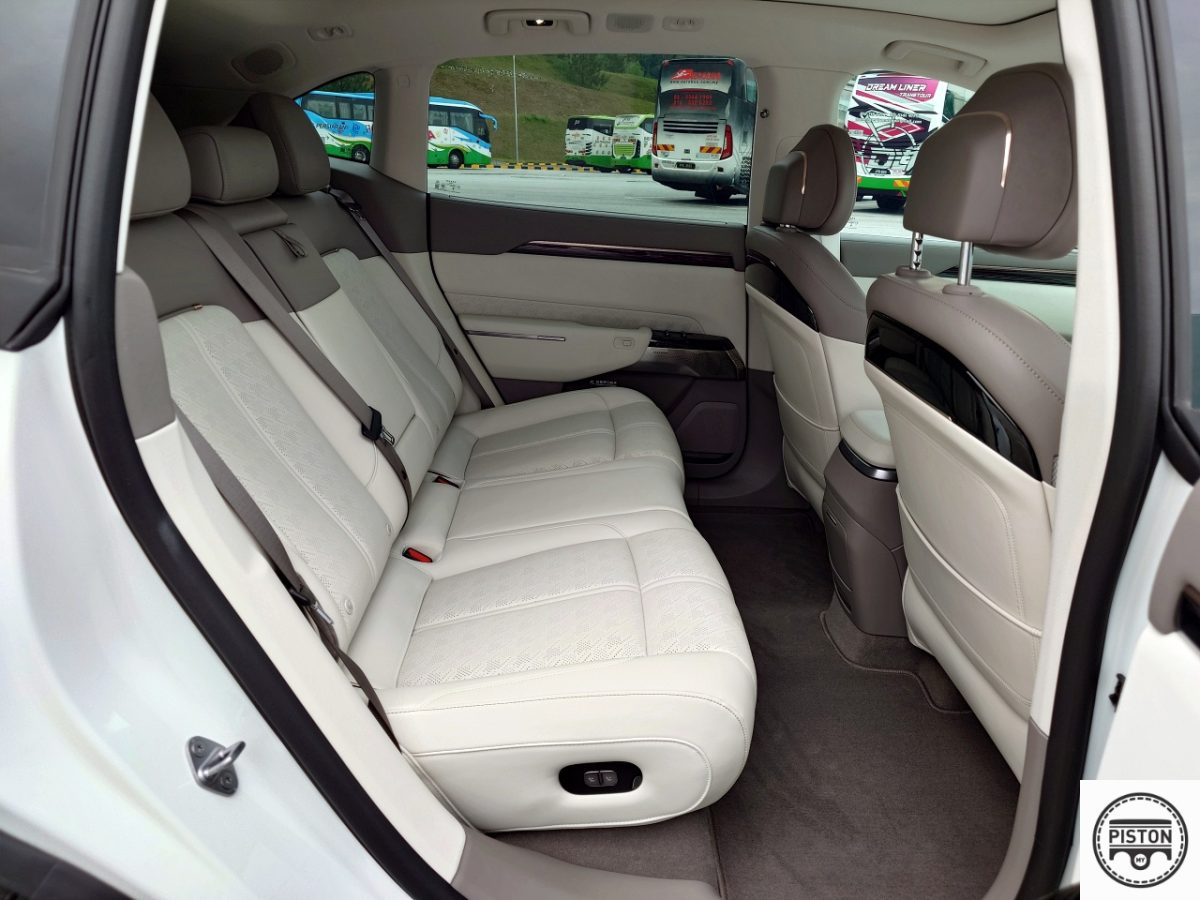
The cabin is one of the 7X’s biggest strengths. In terms of space, design and overall feel, this is one of the most impressive interiors in the RM 200k range. The materials feel upscale, the seats are plush, and the overall execution does not feel superficial.
The Zeekr 7X can make some established premium SUVs feel surprisingly ordinary inside. That says a lot about how far Chinese brands have come.
The front seats are plush and thigh support is excellent, though lateral support is not the strongest, which tells you what the 7X is really trying to be.
Rear seat comfort is also generally good, with soft cushioning and thoughtful touches like USB ports in the centre armrest. However, lumbar support may feel too aggressive for some, and rear passengers have limited control over climate settings.
Storage spaces are aplenty, and the centre storage underneath the armrest is usefully deep. The boot is usable and square, though slightly shallow for a family SUV. The frunk however, is rather small. There are also some usability frustrations.
The lack of physical air vent adjustment tabs is annoying, and the air-conditioning system also takes longer than expected to cool the cabin, which is also annoying in Malaysia. Having to adjust things like mirrors and steering wheel through the screen will always be a complaint for those coming from “regular” cars, but since rivals like the G6 and Model Y aren’t any different, I’ll let this one slide.
The infotainment system is clean and relatively easy to use. It is better than BYD’s system, though still not as polished as Xpeng’s. Apple CarPlay and Android Auto integration is well executed, allowing the main interface to remain visible so climate and vehicle controls are still accessible. The sound system is good at first, but not entirely natural.
Clarity, separation and refinement are all there, and vocals or orchestral tracks can sound impressive. But the tuning feels heavily processed. Some sub-bass notes are amplified, while parts of the bass region feel recessed, which makes the overall tonal balance strange to me.
No amount of adjustment managed to make it sound flatter or more consistent. It feels like a system tuned for specific genres rather than overall accuracy.
With vocals, it works well. With more complex music, it starts to sound artificially shaped. That spoiled the experience for me, and it is one reason I would take the Xpeng G6’s sound system instead. Powered doors add a sense of atas and are impressive in a showroom setting.
However, in daily use, they can feel unnecessary. Sometimes, you just want to open and close a door quickly without waiting. To drive, the Performance AWD variant delivers massive performance, but do you really need this much power in an SUV? Once the novelty wears off, the car’s limitations become clearer.
The 7X is not a driver’s SUV. It feels heavy, and when pushed into corners, it wants to understeer with noticeable body movement. It can go fast, but it does not always feel composed doing so. The steering lacks communication and remains somewhat detached, even in Sport mode.
The brakes are easy to modulate around town, though the transition between regenerative and physical braking is not very clear, and lacks feel overall.
The air suspension adds to the 7X’s luxury character. At lower speeds, it feels plush and comfortable, gliding over imperfections in a way that makes it feel more expensive than it is. However, the calibration is not perfect.
The air suspension gives the car a plush, wafty character, but it does not control body movement as well as the best systems. Over larger dips and crests, there is noticeable diving and heaving, while lateral movement remains present through corners.
This softness, combined with strong acceleration, can also lead to motion sickness. It was one of the more nausea-inducing EVs tested recently. And no, the antimotion sickness feature did not mitigate it. There is also a smell in the cabin, likely from interior materials or adhesives. While not everyone will be sensitive to it, it was noticeable enough to affect the experience for this writer.
On the highway, refinement is generally good, though tyre noise is present, likely due to the wide Michelin Pilot Sport EV tyres.
As with many EVs, the absence of engine noise makes road noise more noticeable. The driver assistance systems are well calibrated and not overly intrusive. They detect motorcycles effectively and do not overreact in typical Malaysian traffic conditions. This restraint makes the system feel more mature compared to some competitors.
OVERALL VERDICT
The Zeekr 7X gets an A+ on paper. Performance, charging, equipment, cabin quality and value are all extremely strong. More importantly, it does not feel like a superficial product. The Premium feel is real, and the overall package is difficult to argue against.
This, to me, is currently the RM200,000 range champion. It competes directly with the Tesla Model Y, Xpeng G6 and BYD Sealion 7, but I dare say it also challenges traditional premium SUVs like the BMW X3, Volvo XC60 and even the Lexus RX in terms of cabin quality and presence. Badge-conscious buyers will obviously scoff at that statement, but for those willing to look beyond brand snobbery, all it takes is a visit to a Zeekr showroom.
Granted, it is not fully polished. The ride, steering and overall dynamic cohesion still need refinement. The Performance AWD is the headline-grabber, but it may not be the best version to buy. The RWD Long Range, at RM 193,800, could be the smarter choice.
It still offers more-thanenough performance, excellent range and the same premium appeal, without the excess. If Zeekr can refine that final 10%, particularly in ride and handling, the 7X could become the benchmark electric SUV in this price range.
SPECIFICATION
BATTERY: 100kWh NMC
POWER: 646PS
TORQUE: 710Nm
TRANSMISSION: Single-speed automatic
DRIVETRAIN: Dual-motor allwheel drive
RANGE: 543km WLTP
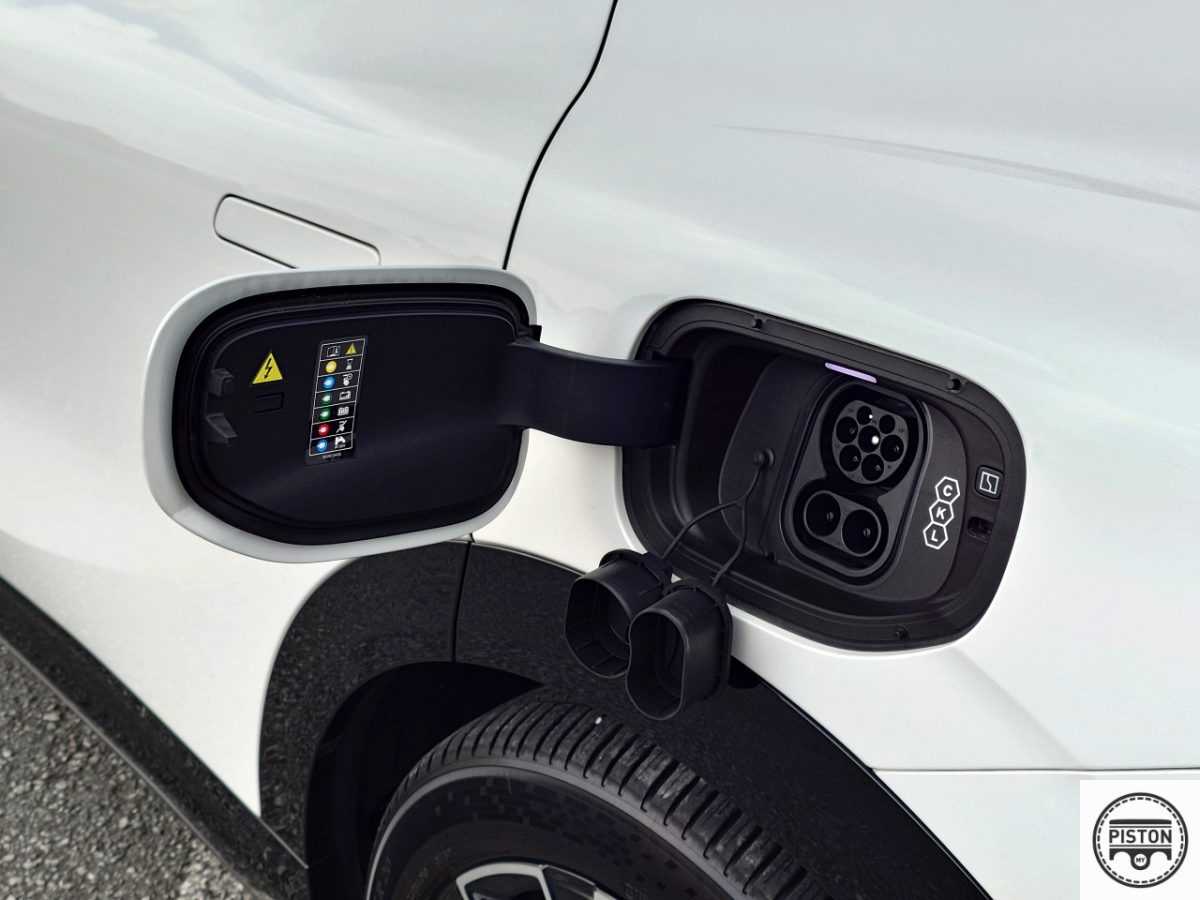
AC/DC Charging: 22kW / 420kW
PRICE AS TESTED: RM230,800
We like: Upmarket cabin, excellent perceived quality, massive performance, impressive charging architecture, generous equipment, plush seats, good refinement, strong value for money.
We don’t like: Air suspension needs better body control, A/C takes time to cool the cabin, processed sound system, noticeable tyre noise, powered doors feel more gimmicky than useful, RWD Long Range may be the better buy.



