




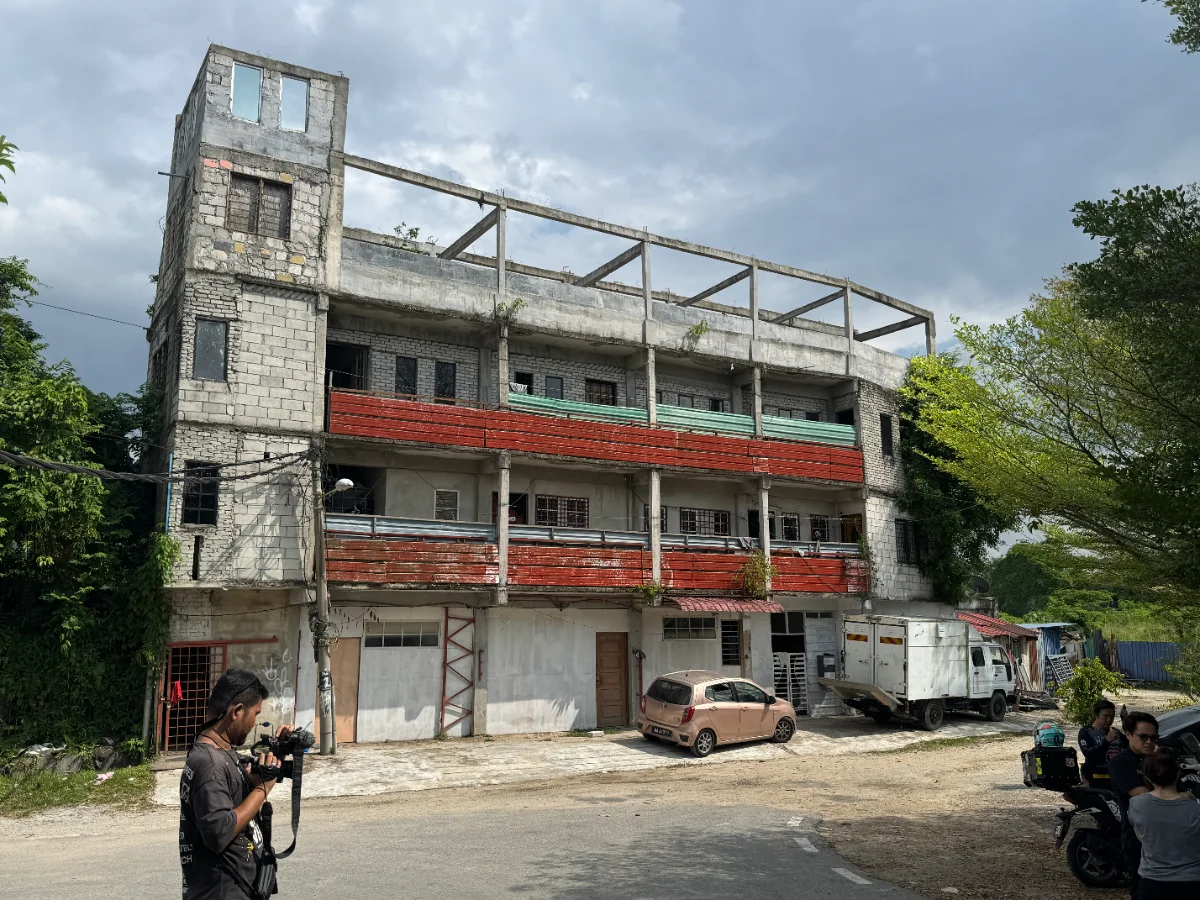
Hulu langat ‘foreigner flat’ exposes gaps in rental oversight, say experts
PETALING JAYA: Housing policy experts have called on authorities to prosecute landlords, not just occupants, over the Hulu Langat “foreigner flat” case, adding that renting unsafe, overcrowded premises to vulnerable tenants with little bargaining power amounts to housing exploitation.
Universiti Teknologi Malaysia (UTM) real estate expert Assoc Prof Dr Muhammad Najib Razali said the case must prompt a shift in focus from who lives in such premises to who controls, profits from and maintains them.
READ MORE: ‘Foreigner flat’ now empty, but residents say scars remain
“(The authorities) must identify who profits from unsafe rental arrangements, impose responsibility on those parties and prevent informal high-density housing from becoming commercially viable in the first place. “When premises are subdivided or rented out in unsafe conditions, the issue is not only who lives there, but who controls, profits from and maintains the premises.
“The policy principle should be that responsibility follows control and profit,“ he told theSun.
Muhammad Najib said the case does not necessarily point to an absence of laws but raised questions over whether existing powers were triggered and coordinated early enough when private premises were allegedly converted into high-density rental accommodation.
He cited the National Land Code 1965; Town and Country Planning Act 1976; Street, Drainage and Building Act 1974; Local Government Act 1976; Uniform Building ByLaws 1984; Fire Services Act 1988 and Solid Waste and Public Cleansing Management Act 2007 as relevant to land use, planning approval, building safety, fire risk, sanitation, waste and public health.
He added that the Employees’ Minimum Standards of Housing, Accommodations and Amenities Act 1990 was also relevant when accommodation was linked to employment, but may not fully cover informal private rentals when tenants were not housed directly by employers.
“The issue is not only unlawful occupation, but also the existence of a rental market operating outside planning approval, building safety control, tenancy oversight and minimum habitability standards.“
Meanwhile, UTM housing community expert Assoc Prof Dr Noorsyidi Aizuddin Mat Noor cautioned against framing the issue solely as a foreigner or Rohingya matter.
“It is a much larger issue involving property governance, control over building use, rental monitoring and enforcement, which must now be seen in the context of integrated enforcement. It can no longer work in silos.“
He added that private ownership does not entitle landlords to build, alter or rent premises without oversight, as land remained subject to land-use conditions, planning permission, building approval and other statutory requirements.
He also said governance gaps typically emerged after approval, when premises originally intended for ordinary use were subsequently converted into included small rooms, unregistered dormitories or high-density rental units.
“When a house is converted into high-density accommodation, the change is clear and visible.
“At that point, there should be records, a monitoring system, inspections or a response to the situation. Instead, it appears to have been left alone.“
Noorsyidi said the existing approach of waiting for complaints, issuing notices and demolishing structures was no longer adequate.
“We need to move enforcement from being reactive to being preventive, with proactive rental governance.“



