




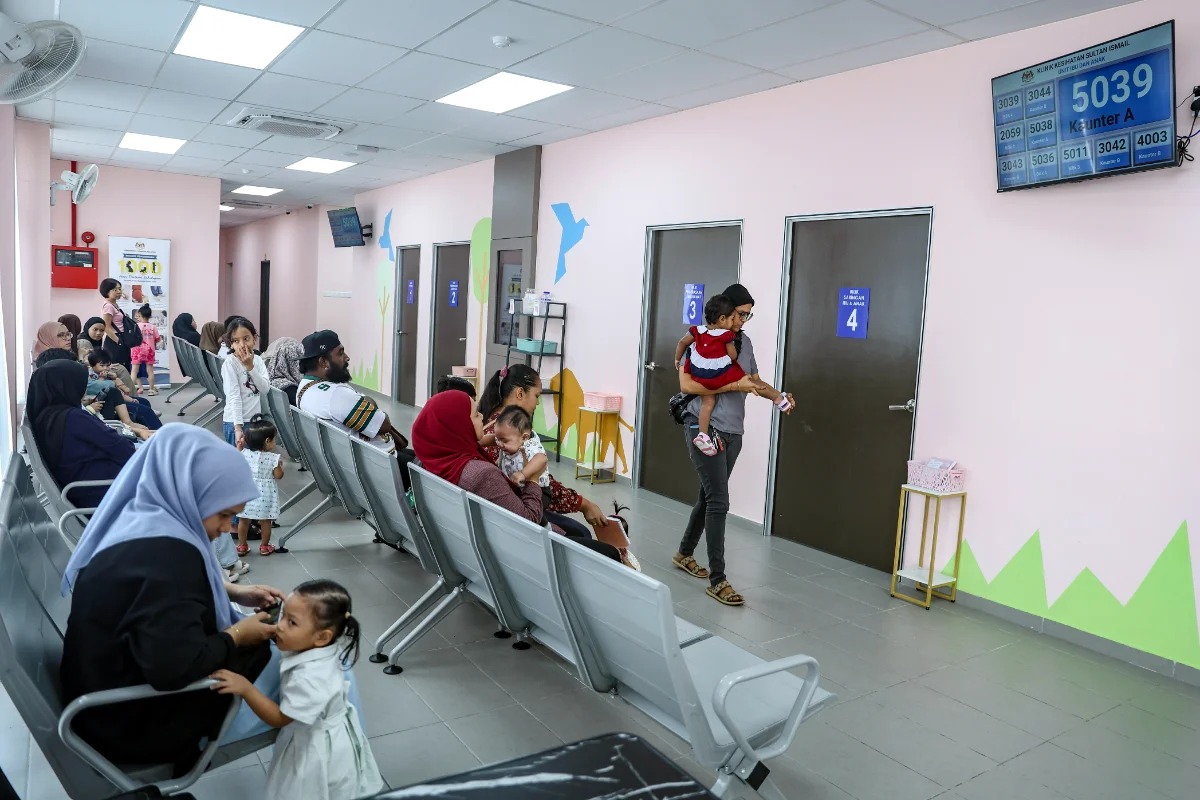
The Malaysian Medical Association welcomes greater autonomy for the Health Ministry, saying it will improve healthcare workforce planning and deployment.
KUALA LUMPUR: The Malaysian Medical Association (MMA) has welcomed the government’s decision to grant the Health Ministry (MOH) greater operational autonomy in managing, organising and deploying its approved workforce establishment, describing it as a timely move towards strengthening healthcare workforce planning.
MMA president Datuk Dr Thirunavukarasu Rajoo said the move would allow manpower decisions to be made more efficiently based on healthcare service needs and closer to where services are delivered.
He commended Health Minister Datuk Seri Dr Dzulkefly Ahmad, MOH secretary-general Datuk Seri Hasnol Zam Zam Ahmad and Health director-general Datuk Dr Mahathar Abd Wahab for their efforts in driving the reforms.
Dr Thirunavukarasu said the collaboration between MOH, the Public Service Department (JPA), Finance Ministry and Higher Education Ministry reflected the importance of a whole-of-government approach in addressing Malaysia’s long-term healthcare workforce challenges.
“MMA has consistently advocated for the Ministry of Health to be given greater flexibility in managing its healthcare workforce based on service needs,” he said in a statement.
He added that empowering MOH to manage and deploy approved positions would enable more effective workforce planning and improve healthcare delivery.
MMA also welcomed several initiatives announced as part of the reforms, including the offering of permanent appointments to 4,500 contract medical officers, the establishment of the KKM-JPA Workforce Management Task Force, closer collaboration between MOH and the Higher Education Ministry on long-term workforce planning, and the introduction of relocation benefits for eligible medical officers.
However, Dr Thirunavukarasu stressed that the success of the policies would depend on effective implementation.
While describing the revised ePlacement mechanism as a practical administrative improvement, he said clear operational guidelines and consistent implementation at all levels would be necessary to ensure eligible medical officers receive their relocation benefits in a timely manner and in accordance with financial regulations.
He said strengthening the healthcare workforce should go beyond increasing permanent positions, adding that the focus must also be on ensuring the right healthcare professionals are placed at the right locations and at the right time.
This, he said, should be supported by clearer career pathways, fair deployment practices, opportunities for postgraduate training and policies that encourage long-term retention within the public healthcare system.
Dr Thirunavukarasu also called for the development of a comprehensive healthcare workforce dashboard to improve transparency and support evidence-based workforce planning.
“Greater transparency will strengthen public confidence, facilitate better workforce planning and enable more timely interventions to address healthcare workforce challenges,” he said.
While describing the announcement as an important milestone, he said it should be viewed as the beginning of wider healthcare workforce reforms.
In the long term, MMA continues to support the establishment of an independent Health Service Commission as a sustainable structural solution to coordinate healthcare workforce planning, career development and human resource management under a dedicated framework.
“MMA remains committed to working closely with the Ministry of Health and other relevant stakeholders to ensure these reforms translate into a stronger, more responsive and sustainable healthcare system for the benefit of all Malaysians,” he said.



