




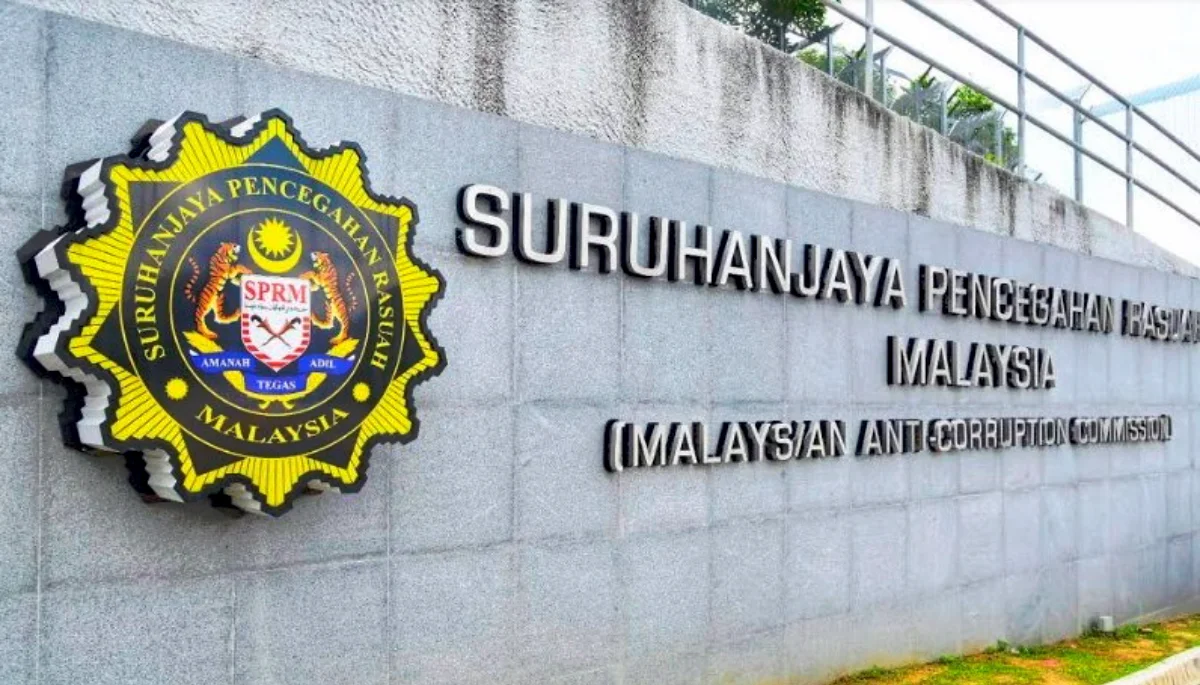
Kedah MACC submits governance recommendations to improve the management of Reserved Certificate and non-Muslim worship land, aiming for greater transparency and efficiency.
ALOR SETAR: The Kedah branch of the Malaysian Anti-Corruption Commission (MACC) has submitted recommendations to strengthen the governance of state land management.
The proposals focus on improving the administration of Reserved Certificate (RC) land and Non-Muslim Houses of Worship (RIBI).
They were presented during an engagement session at the State Secretary’s office on Monday.
Kedah MACC deputy director of Prevention Syed Aswadi Syed Soffian led the session.
It was attended by senior officials from the State Secretary’s Office and the Kedah Land and Mines Office (PTG).
The recommendations aim to build a clearer and more consistent governance framework across agencies.
They include efforts to streamline guidance documents related to RC and RIBI management to align with current needs.
“This approach is expected to help improve mutual understanding and ensure that every process involving land transactions can be carried out with a higher level of accuracy and consistency,” the MACC said in a statement.
The proposals also focus on improving the information system and providing more organised land records.
A more comprehensive database will strengthen reference accuracy and facilitate access to information.
This will enhance the capacity to coordinate actions related to RC and RIBI land.
The MACC also suggested establishing periodic engagement sessions between the agencies.
These sessions would serve as a platform for continuous coordination and information sharing.
The goal is to support more integrated and responsive land governance.
Syed Aswadi said the proposed efforts are a strategic step to ensure management aligns with integrity and accountability.
“Every aspect of land management needs to be supported by a clear, transparent, and consistent governance framework,” he said.
The State Secretary’s Office and the Kedah PTG welcomed the proposed improvements.
Both agencies agreed to review and implement them in stages, with a target completion period of 12 months.



