



Sabah reduces squatter colonies by 18%, plans new affordable housing and launches agro initiatives to boost food security and youth involvement.
KOTA KINABALU: The Sabah government is adopting a more comprehensive approach to address squatter issues statewide.
This includes proposing the gazettement of 45 squatter colonies as villages to ensure more orderly and safer settlements.
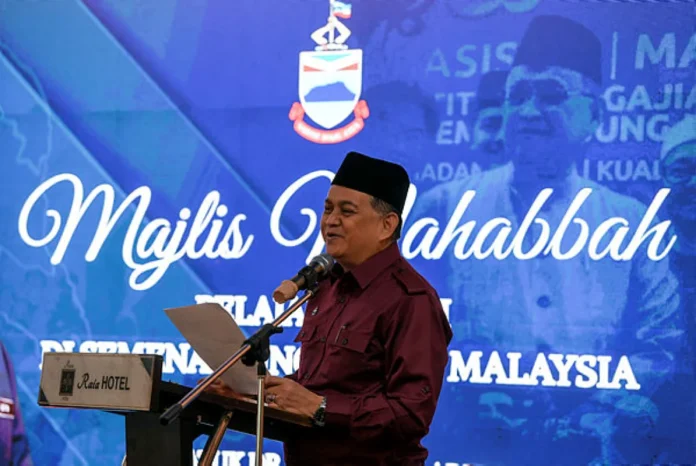
Local Government and Housing Minister Datuk Dr Mohd Arifin Mohd Arif said the initiative is part of a phased strategy.
The strategy includes gazetting suitable areas, resettlement programmes, construction of low-cost housing and the provision of proper residential lots.
He said the number of squatter colonies in Sabah has declined from 285 in 2023 to 233 currently.
This represents an 18% reduction.
“The state government has outlined several measures to address squatter issues,” he said when winding up the debate at the state assembly.
Mohd Arifin said the ministry received RM257.44 million for 2026, a 4.2% increase compared with RM247.01 million this year.
This funding supports initiatives under the Sabah Maju Jaya 2.0 Development Plan.
He said the Sabah Housing and Town Development Board continues to accelerate affordable housing development.
Two such projects are currently under construction in Kepayan Ridge, Kota Kinabalu, and Kimanis, Papar.
Four large-scale affordable housing projects are planned under the 13th Malaysia Plan.
These involve developments in Sepanggar, Kepayan, Tanjung Aru and Beringgis, Papar, bringing the total to 1,564 units statewide.
Meanwhile, Agriculture, Fisheries and Food Industry Minister Datuk Jamawi Jaafar said Sabah is strengthening its agriculture ecosystem.
This is being done through targeted programmes involving youth, rural communities and downstream industries.
He said key initiatives include the Agriculture Mentor-Mentee Programme and expansion of the Tagal system.
Other programmes are the Blue Economy Initiative and the Sabah Kitchen Garden programme.
These are aimed at ensuring long-term competitiveness of the agri-food sector.
Jamawi added that RM900,000 has been approved under the Blue Economy Initiative.
The funding is for projects such as artificial reefs and fish aggregating devices for tuna fishermen.
It will also support the digitalisation of fisheries operations, including the use of GPS buoy systems. – Bernama



