




Group says vaccines not suitable for children under nine and pregnant women, urges broader strategy beyond vector control
PETALING JAYA: Despite putting nearly half of the world’s population at risk, dengue still has no specific antiviral treatment, leaving health systems largely reliant on prevention and supportive care, according to Geneva-based, not-for-profit research and development organisation Drugs for Neglected Diseases initiative (DNDi).
It said current medical options remain limited, with existing vaccines unsuitable for certain high-risk groups.
“We must address the fact that, despite putting half of the world’s population at risk, dengue still has no treatment,” said DNDi Southeast Asia regional director Vanessa Daniel.
“Yes, there are vaccines, but these are contraindicated in children under nine and in pregnant women – both groups most at risk of developing severe dengue when infected.”
Daniel added that relying solely on mosquito control will not be sufficient to curb the disease in the long term.
“Vector control initiatives are essential, but they are not the silver bullet for this health crisis. What is needed is an integrated approach where vaccines, vector control and treatments all work together to tackle dengue.”
The World Health Organisation (WHO) has listed dengue as among the top 10 global public health threats.
Daniel, however, explained that WHO’s classification does not measure how dangerous dengue is, but highlights its position within the global health ecosystem.
“Dengue, a tropical disease, is classified as neglected. According to WHO, a disease is identified as ‘neglected’ when it is absent from the global health agenda. Diseases are labeled as such when they disproportionately afflict poor, underserved populations, especially in tropical and subtropical regions, yet receive limited attention, funding and innovation compared to more high-profile diseases.”
Daniel said dengue also exacts a heavy economic toll, noting that outbreaks can overwhelm health systems and generate wide-ranging social and financial impacts.
“According to the National Institutes of Health, dengue’s global economic impact is substantial, with estimated annual costs of around US$39 billion (RM183.3 billion).
“For additional context, a 2025 paper by Universiti Kebangsaan Malaysia reported that as of 2020 the direct medical cost per dengue case averaged US$1,369 (around RM6,434) for hospitalised patients and US$352 (RM1,654) for ambulatory cases,” she added.
Health Minister Datuk Seri Dr Dzulkefly Ahmad revealed on Dec 15 last year that the country recorded 51,046 dengue cases as of Dec 6 – a 56.5% drop from the 118,291 cases in 2024, while deaths fell 61.3% to 43 from 111.
He said the ministry has since intensified dengue control measures, including deploying artificial intelligence (AI) tools to detect hotspots and expanding the Wolbachia mosquito initiative.
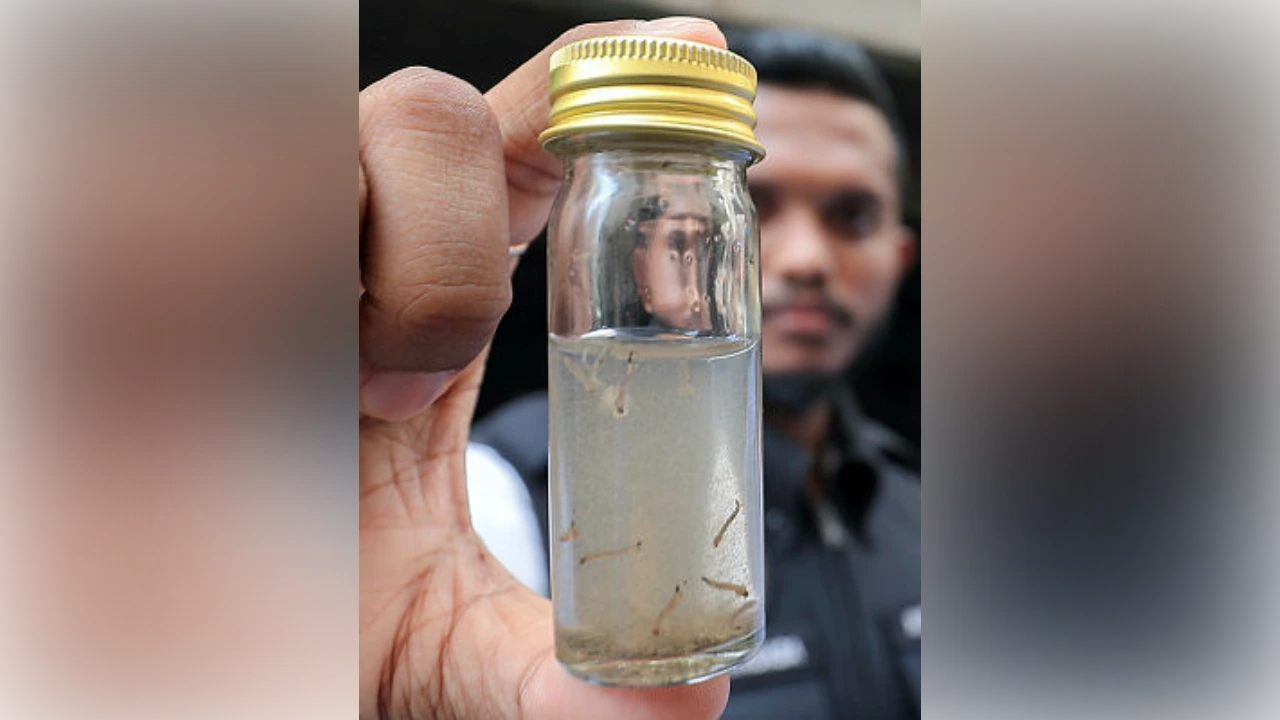
The initiative involves releasing specially treated mosquitoes to reduce the dengue-spreading Aedes aegypti population.
In a parliamentary written reply on Jan 27, the ministry said the initiative had expanded to 51 localities nationwide. Of the 28 sites meeting assessment criteria, 25 reported dengue reductions.
The remaining localities remain under a two-year monitoring period, with authorities maintaining weekly case and entomological surveillance to assess the initiative’s long-term effectiveness and safety.



