




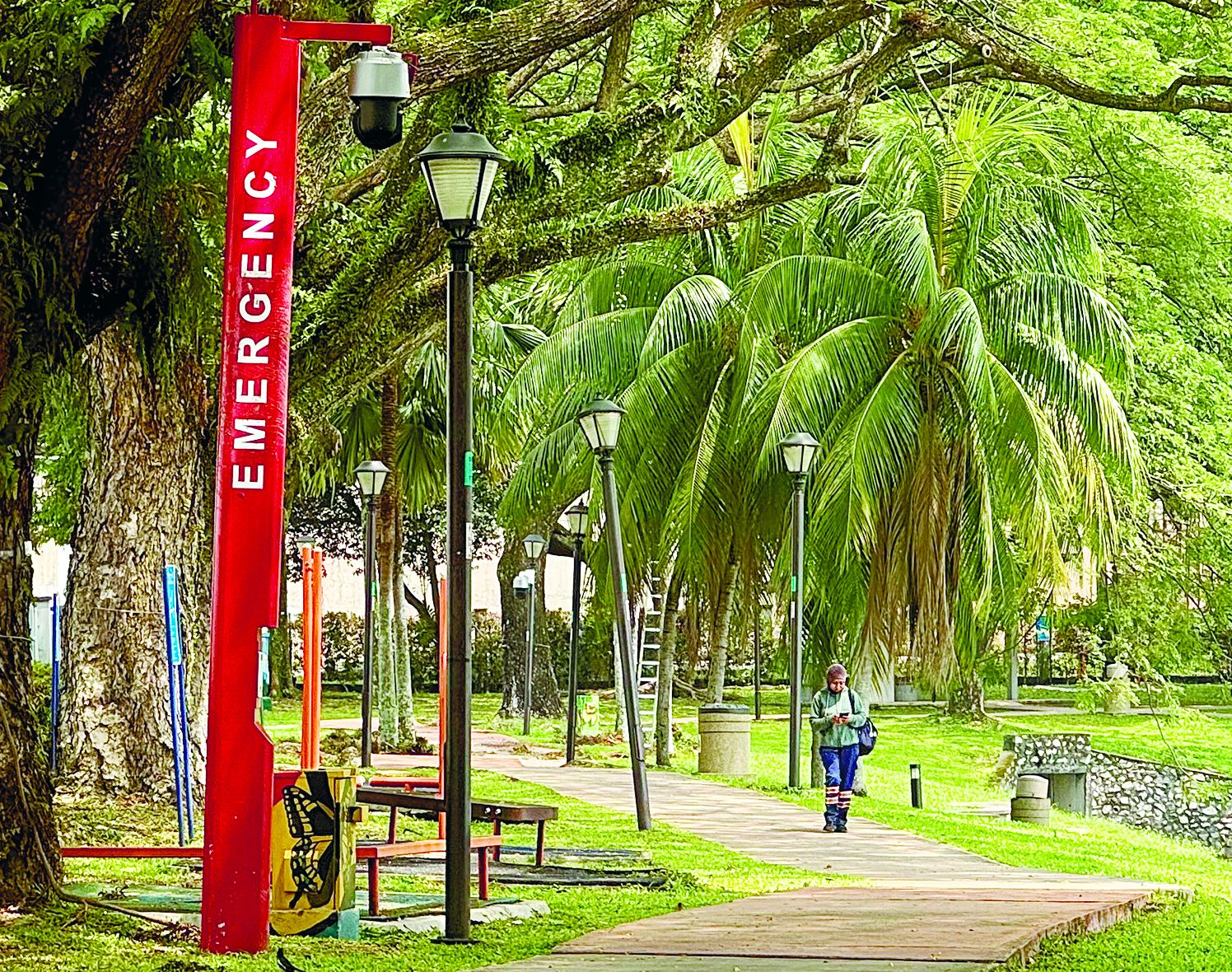
Experts propose converting carparks into green spaces to combat flash floods and urban heat in Kuala Lumpur, but warn a strategic, multi-use approach is essential
PETALING JAYA: Turning carparks into pocket parks – small, landscaped green spaces within the city – could help address flash floods and urban heat in Kuala Lumpur, experts say.
However, they also say a strategic, multi-pronged approach is needed for meaningful impact.
Universiti Malaya Urban and Regional Planning senior lecturer Dr Noor Hashimah Hashim Lim said such conversions work not just for carparks but for any land designed to collect, absorb or channel rainwater.
“Such conversions could effectively reduce flooding episodes, especially in a dense city setting.”
She added that the benefits are maximised when implemented at scale and city planners must carefully select sites due to space constraints.
“Understanding the cause of the flood, its timing and duration, as well as its impact on (the public), the economy and surrounding activities is essential before deciding the best and most cost-effective mitigation measures.”
The proposal follows Minister in the Prime Minister’s Department (Federal Territories) Hannah Yeoh saying the department is studying the feasibility of converting carparks into pocket parks to address flash floods in Kuala Lumpur.
Yeoh emphasised the importance of transforming the city into a “sponge city”, an urban area designed to absorb, store and gradually release rainwater, adding that the capital cannot function as a sponge if green spaces are replaced with concrete.
Noor Hashimah said the sponge city concept extends beyond flood control.
“Achieving a ‘sponge’ concept means it should not only mitigate floods but also store water, filter pollutants and release it naturally.
“It should foster a better blue-green ecosystem, improving biodiversity, reducing city heat, enhancing air quality and ultimately boosting social wellbeing.”
On balancing the reduction of carparks with accessibility, she proposed a tactical, multi-use approach.
“We could fully utilise current playgrounds, pocket parks and open spaces around the city.
“Analyse how each green space could be multi-functional – sunny days for play and socialising, rainy days to serve as mini ‘sponges’.”
She added that implementation would come with challenges.
“Conversion could be tricky, involving land zoning, land titles, tenure, ownership and more, unless the land belongs to the city council.”
Certain carparks are commercially zoned and privately owned, meaning Kuala Lumpur City Hall would need to purchase them, an economic cost that brings long-term social gain.
Environmental advocates welcomed the idea. RimbaWatch director Adam Farhan urged swift action, highlighting the dominance of paved surfaces and car infrastructure in Kuala Lumpur.
“KL’s high car dependency means large areas are devoted to wide streets, highways and expansive carparks.
“This worsens the urban heat island effect and air pollution.”
RimbaWatch’s spatial analysis found that of central Kuala Lumpur’s 1,240 hectares, only 40.4 hectares comprise green spaces, while open-air carparks occupy 55.2 hectares.
“If 55.2 hectares of carparks were converted to green spaces, that would more than double green cover, bringing central KL closer to the Kuala Lumpur Local Plan 2040 target of 30%.”
He added that urban forests with resilient native species could slash surface temperatures by nearly 6°C, absorb rainwater, act as noise buffers, sequester carbon, improve biodiversity and reduce particulate matter.
While removing carparks alone would not meet KL’s green space targets, Adam called it a “low-hanging fruit” that could be complemented by reclaiming abandoned sites, converting idle construction plots and creating pedestrian-friendly boulevards.
“Improving KL’s liveability will face resistance from car manufacturers, fossil fuel suppliers and property developers, but removing open-air carparks is an essential first step towards a resilient, healthy and happy Kuala Lumpur.”



