




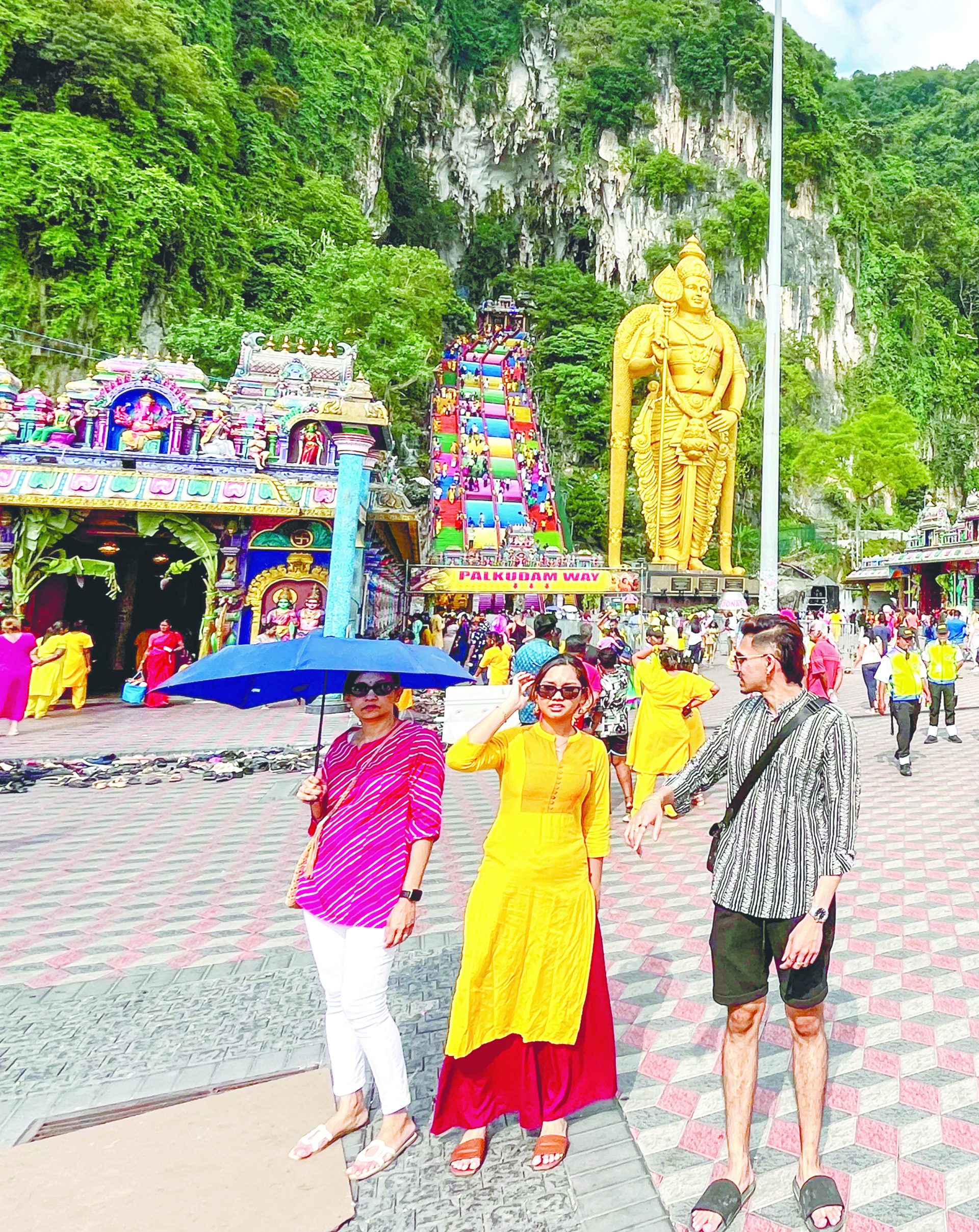
Thaipusam reflects devotion, discipline and cultural harmony, drawing millions to Batu Caves and uniting communities through faith and service
PETALING JAYA: Thaipusam remains one of the most important religious festivals for the Hindu community in Malaysia, symbolising devotion, discipline and the enduring triumph of good over evil, according to Malaysia Hindu Sangam honorary general secretary Vinayagamurthi Subramaniam.
He said the annual festival, observed by Tamil Hindus worldwide, commemorates the day Goddess Parvati bestowed the divine spear, or vel, upon her son Lord Murugan, empowering him to defeat the demon Surapadman.
“Spiritually, Thaipusam represents the victory of wisdom over ignorance and unwavering faith over adversity,” he said.
“In Malaysia, especially at Batu Caves, it has evolved into a powerful expression of devotion and gratitude that draws not only Hindu worshippers, but also members of other communities and tourists.”
Over the decades, the Thaipusam festival at Batu Caves has grown into one of the country’s largest annual religious gatherings, becoming a defining symbol of the Hindu community through its grand and colourful ceremonies held nationwide.
Vinayagamurthi said key Thaipusam rituals are often misunderstood and should be viewed through their spiritual context rather than as mere spectacle.
Carrying the kavadi, which literally means “burden” in Tamil, symbolises a devotee’s vow and surrender to Lord Murugan.
These range from simple milk pots (paal kudam) to ornate metal structures borne during the pilgrimage.
“The burden reflects sacrifice, endurance and humility. It reminds devotees that spiritual fulfilment often comes through discipline and perseverance,” he explained.
Body piercing, which may appear extreme to observers, represents transcendence over physical pain and ego.
He said these acts are undertaken only after weeks of spiritual preparation, including fasting, celibacy and prayer, and are regarded by devotees as deeply transformative.
Milk offerings symbolise purity, gratitude and sustenance.
“Offering milk is a simple yet profound act that expresses thanksgiving for blessings received or vows fulfilled,” he said.
Beyond its spiritual dimension, Thaipusam also reinforces strong community ties.
Families often prepare together for weeks, supporting one another emotionally and physically during the pilgrimage.
Thousands of volunteers play a vital role by managing crowds, distributing food and water (annadhanam), providing first aid and maintaining cleanliness, acts of selfless service that embody community care.
Temples and organisers coordinate closely to ensure the smooth conduct of processions, safety arrangements and religious rites, helping preserve cultural continuity across generations.
Vinayagamurthi added that Thaipusam celebrations have expanded significantly over the years.
“With larger crowds, there is greater emphasis on safety, crowd management, cleanliness and healthcare support,” he said, adding that temples, volunteers and authorities work closely each year to address these challenges.
He also pointed to the influence of technology and social media, which have increased public awareness of Thaipusam but also created the challenge of preserving the festival’s sacred essence amid growing public attention.
Attendance has steadily increased over the years, reflecting both its enduring spiritual significance and expanding cultural appeal.
Figures from the early 2000s recorded attendance in the hundreds of thousands, rising to over a million by the early 2010s.
In 2025, authorities prepared for more than 1.8 million visitors, while estimates for 2026 anticipate turnout exceeding 2.5 million, boosted by an extended public holiday period.
Factors contributing to the growth include strong devotional participation, increased domestic and international tourism, improved accessibility and wider media coverage.
Vinayagamurthi said at its core, Thaipusam embodies universal values such as faith, self-discipline, gratitude, humility and community cooperation.
“To the wider public, Thaipusam is a living expression of cultural harmony and spiritual perseverance.
“It shows how shared values and goodwill can bring people together peacefully.”
He also urged the Hindu community to observe the festival responsibly.
“Let us fulfil our penance and rejoice in Lord Murugan’s blessings with discipline and respect, while avoiding unnecessary acts that could disrupt the celebrations or reflect poorly on the community.”



