Malaysia’s literary multitasker reflects on publishing, folklore, community and the quiet resilience needed to keep stories alive
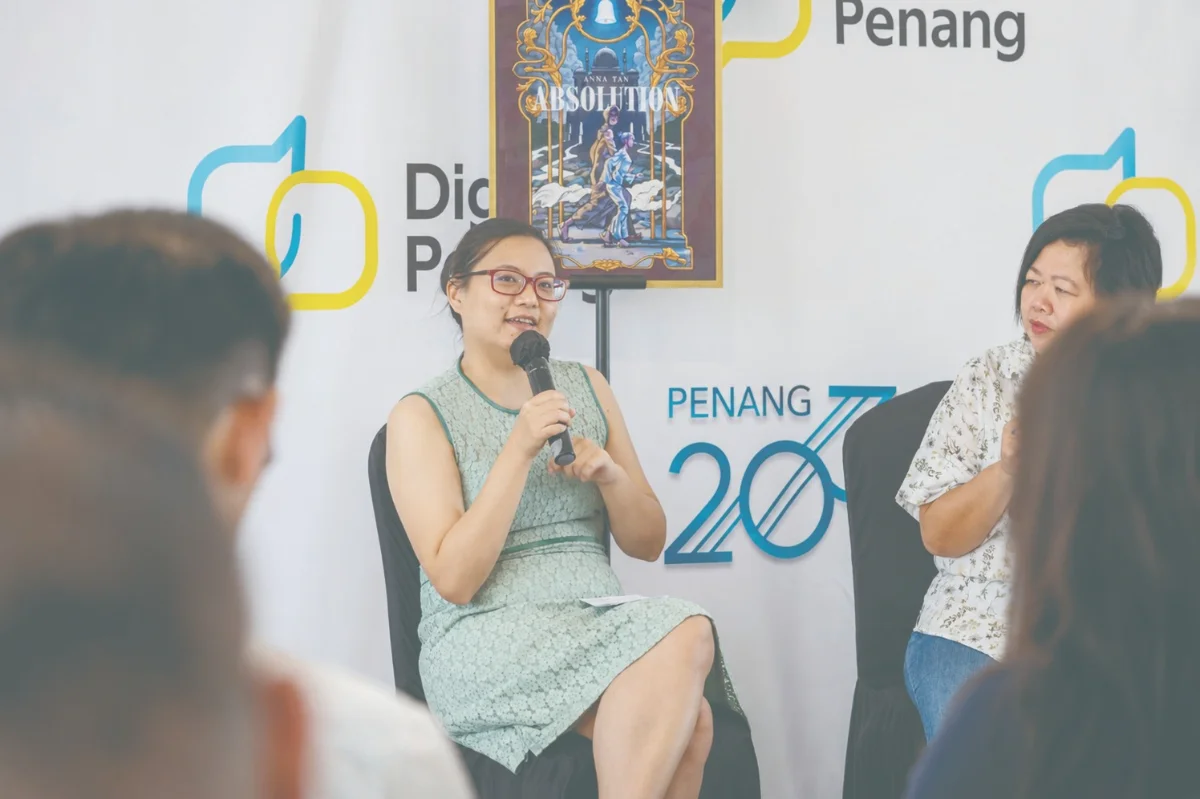
IN Malaysia’s modest but vibrant English-language literary landscape, few figures have left fingerprints across as many corners of the industry as Anna Tan.
Novelist, editor, publisher, anthologist and community organiser, Tan has spent years building not only fantastical worlds in written works but also the infrastructure that allows other writers to thrive. Through her publishing house, literary initiatives and advocacy work, she has become one of the country’s most recognisable champions of local writing.
She founded Teaspoon Publishing, served as treasurer before becoming president of the Malaysian Writers Society (MyWriters), and holds a master’s degree in creative writing – experiences that have given her an unusually broad perspective on the realities of the literary world.
“It’s hard to do everything alone,” she said in an interview with theSun.
The work behind the community
For Tan, sustaining a writing community requires far more than enthusiasm. It demands people willing to put in the work.
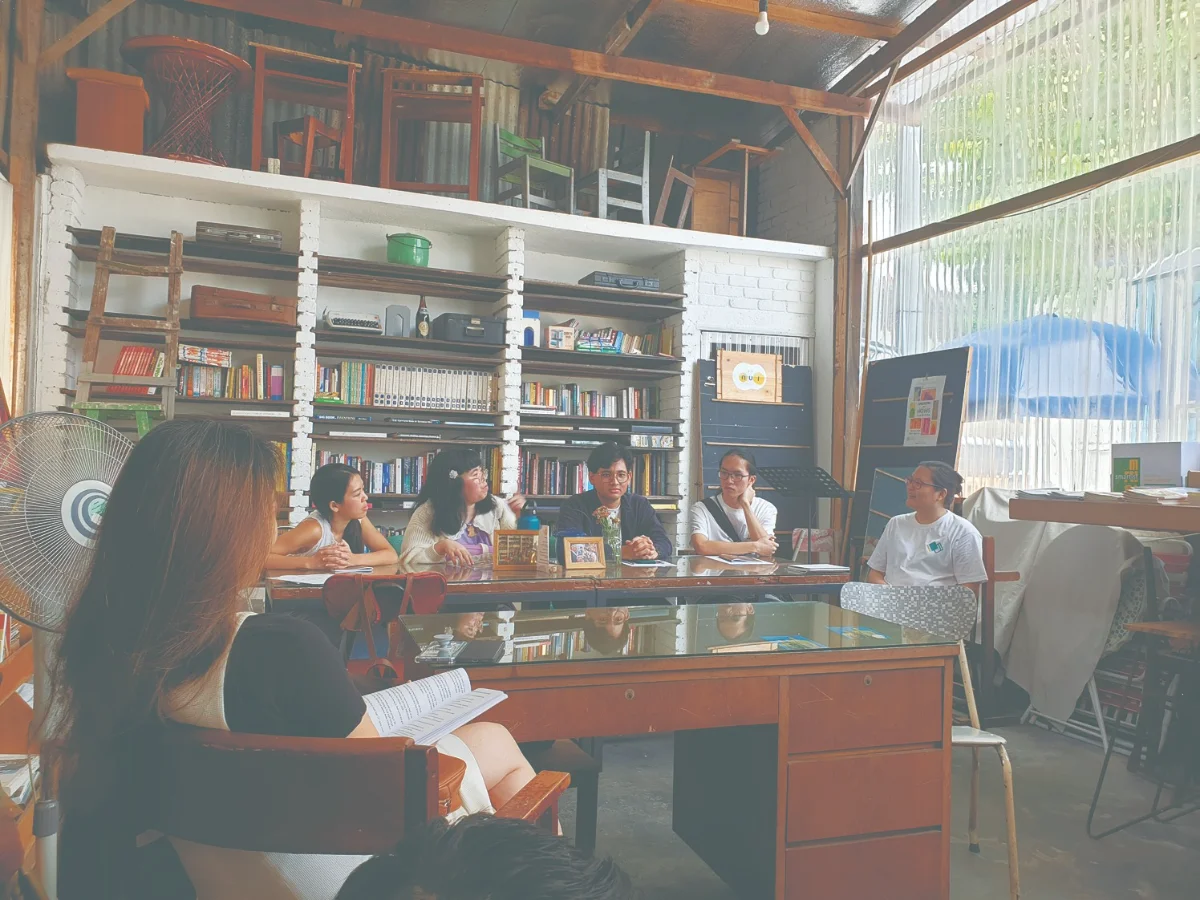
Asked what keeps MyWriters Penang going, she pointed to “people who are actively writing, seeking to improve their craft and keen on building the community with other writers”.
Too often, she said, aspiring authors express a desire for literary circles without volunteering to create them.
“It’s easy to say: ‘Oh, we need a group, I want to get to know other writers’. But for a group to be sustainable, there needs to be someone willing to step up and organise events. Otherwise, writers will just stay at home and complain that nothing is going on.”
Beyond organising gatherings and write-ins, Tan also founded NutMag, MyWriters Penang’s annual literary zine, which she has edited since 2016.
Its latest edition, NutMag 9: Duality, explores opposing forces and contrasting perspectives while providing emerging Penang writers with a platform alongside established authors.
The economics of storytelling
If nurturing writers is one challenge, keeping books afloat commercially is another.
Ask Tan about the biggest hurdle facing independent publishers and she does not hesitate.
“Selling books!”
As founder of Teaspoon Publishing, she has witnessed first-hand the financial pressures confronting small presses.
Production costs remain high while locally published books continue to battle the perception that they should cost less than imported titles.
“There’s a lingering perception that if it’s local, it’s lower quality, or it should be cheap,” she said.
Without the warehousing capacity or capital needed for large print runs, smaller publishers struggle to reduce costs.
Going through distributors, she explained, can consume up to 60% of a book’s retail price, making higher pricing almost unavoidable.
Finding readers
Despite those challenges, her own novels have found a loyal readership.
Among her works, she identifies Amok and The Making of a Jurusihir as the books that have generated the strongest response.
“I think Amok came out at a time when there weren’t many Malaysian fantasy books in English. It hit the right balance of being both Malaysian enough and yet readable enough for an international audience, so it managed to grab readers from both crowds,” she said.
Her most commercially successful title, The Making of a Jurusihir, has drawn feedback that it “resonates with many young women studying STEM”.
Her latest novel, Jasmine and the Perfect Brew, due later this year, is written, as she describes it, for “tired women in their thirties”.
“I’ve been grudgingly ageing out of the Young Adults fantasy scene for a while now,” she said.
Folklore, faith and identity
Identity and belief remain recurring themes throughout her writing.
Describing herself as a Malaysian Chinese who is “super banana”, Tan acknowledged the disconnect she sometimes feels when trying to define where she belongs.
“I don’t really relate to being Chinese, and what is ‘Malaysian’ is still in flux,” she said, adding that folklore has become one way of grounding herself culturally.
Raised in the Christian faith, she is also fascinated by the ways Western influences intersect with local religious practices, using fantasy as a safe lens through which to examine complex questions.
“Writing about this from a fantasy point of view helps me interrogate my thoughts around it without offending anyone, because it’s fiction and obviously not in the real world,” she said.
A lonely craft with lasting rewards
Balancing her own creative work with editing, publishing and community-building remains an ongoing struggle.
Tan admitted she often wrestles with where editing ends and her own creative voice begins, and sometimes finds greater satisfaction in refining someone else’s exceptional manuscript than writing her own.
Yet, she continues to devote herself to the literary ecosystem she has helped cultivate.
“Community is vital, and yet at the same time, the community is also the one causing the headaches,” she said.
Looking ahead, she hopes Penang’s writing scene will receive stronger backing from readers, private initiatives and institutions alike.
For aspiring authors, her advice is simple but hard-earned.
“Take time to work on your craft. Overnight success is rarely ever overnight, especially in the book world.”
It is a lesson drawn from experience, one shaped by years spent navigating what she describes as “quite a lonely and often discouraging endeavour”, while continuing to wear the many hats that keep Malaysia’s literary community turning.