



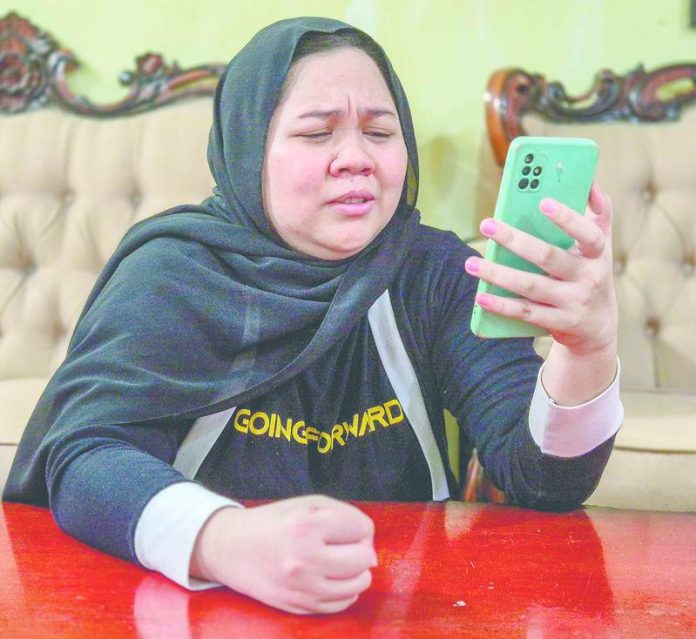
PETALING JAYA: Scrolling through Instagram or TikTok might seem like a harmless daily habit.
But for many young Malaysians, the constant stream of friends landing promotions, jetting off on holidays, showing off toned physiques or hustling on the side can spark something darker – a slow-burning spiral of self-doubt, anxiety, and depression.
Universiti Teknologi Malaysia psychology professor Dr Siti Aisyah Panatik said long-term exposure to this kind of success-saturated content fuels toxic comparison, chips away at self-worth and breeds a sense of never being enough.
“Clinical and academic studies increasingly point to social media as a powerful amplifier of mental health issues, especially for Gen Z and millennials,” she said.
“Psychologists are witnessing a rise in low self-esteem, anxiety, depressive symptoms, and even existential angst among young adults constantly bombarded with curated highlights of other people’s lives.”
She stressed this isn’t imagined. It’s rooted in well-established psychological theories.
“One is ‘social comparison’ theory – the idea that we gauge our own value by how we measure up to others.
“The other theory is ‘self-discrepancy’, which explains how distress arises when there’s a gap between who we are and who we believe we should be – often shaped by what we consume online.
“Algorithms reinforce this by feeding users more of the same glossy, aspirational content, driving chronic dissatisfaction.”
Siti Aisyah also noted that imposter syndrome is becoming increasingly common, particularly among students and young professionals constantly comparing themselves with polished online personas.
“I’ve had students tell me, ‘when I see my friends always achieving online, I start doubting whether I even deserve the success I have’.”
She cited Malaysian studies that draw a clear line between social media exposure, declining self-esteem, and rising imposter syndrome – especially among high-performing youth.
Warning signs, she said, include obsessive scrolling, disrupted sleep, social withdrawal and spiralling thoughts.
“When these behaviours start interfering with daily life or are paired with mood swings, it may signal an underlying condition linked to social media overuse.”
Efforts like the #Letstalkmind campaign and Malaysia Digital Economy Corporation’s Digital Citizenship Education initiative exist, but Siti Aisyah said they fall short of addressing the emotional impact of online life.
“They focus on cybersecurity but neglect how constant comparison online can quietly erode emotional well-being,” she said, adding that access to mental health support remains patchy, especially in rural areas.
She called for urgent implementation of the long-delayed Psychology Act to regulate services and ensure qualified care is available to all.
She also urged schools to weave digital well-being into the curriculum and pressed social media platforms to lift the lid on how their algorithms influence what users see.
“We must normalise talking about comparison-fuelled distress and expand youth counselling to include therapy specifically tailored to the effects of social media,” she said, emphasising the vital role families and communities play in modelling healthier digital habits.



