




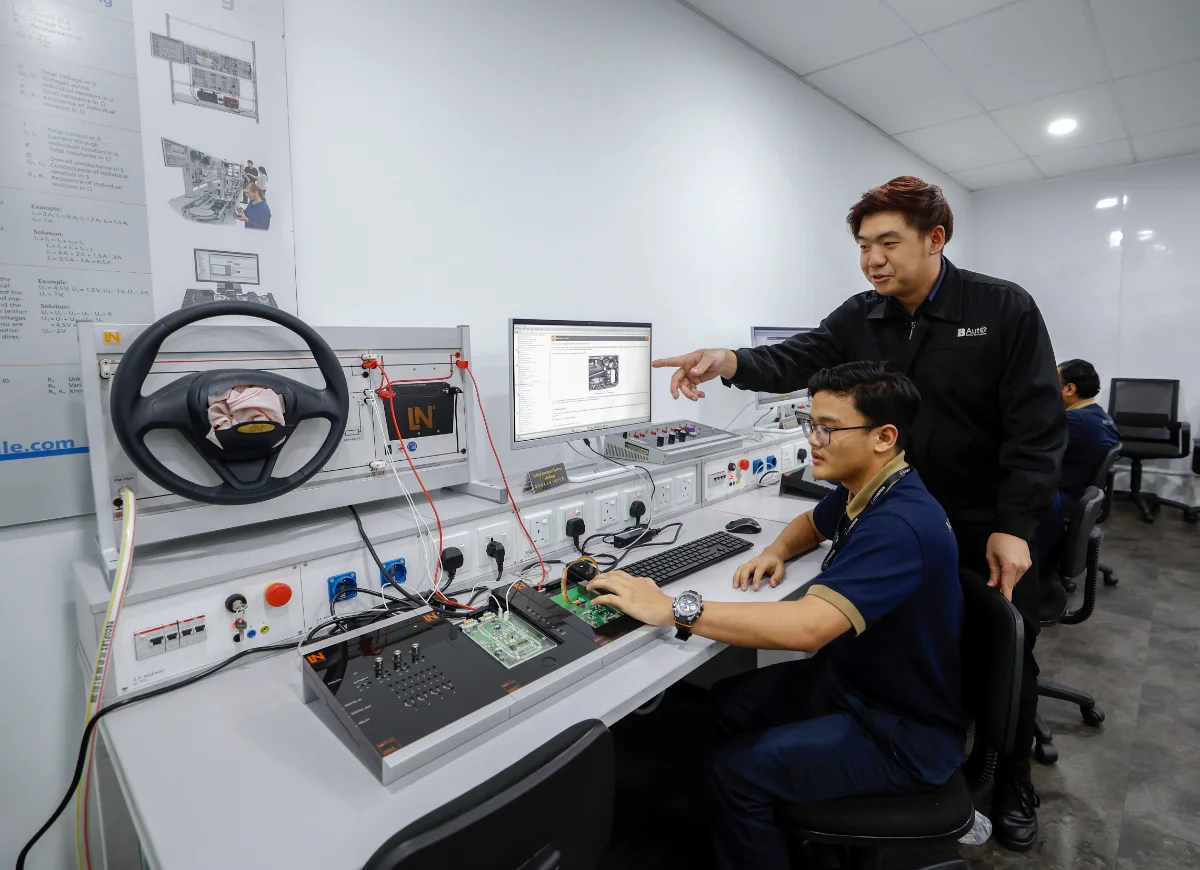
Elevating TVET was non-negotiable if Malaysia is serious about becoming a high income, technology-driven economy.
PETALING JAYA: Malaysia’s Technical and Vocational Education and Training (TVET) sector has posted a 95.9% graduate employability rate, drawing cautious praise from experts who warn that entrenched public scepticism and inconsistent training quality continue to undercut the sector’s potential.
The figure was announced by Deputy Prime Minister and National TVET Council (MTVET) chairman Datuk Seri Ahmad Zahid Hamidi on May 28, alongside data showing that 56.86% of SPM school leavers, or 229,121 students, had chosen TVET as their first option, bringing total nationwide enrolment to 459,558.
READ MORE: The dementia warning Malaysia cannot ignore
Despite the numbers, observers say winning over parents remains a formidable challenge.
“Parents today are still sceptical of TVET education. “This is due to the long history that tied TVET to low-end jobs with low-paying salaries.
“Technical and vocational education is synonymous with plumbing, electrical wiring, mechanics and cooking,” said Penang Deputy Chief Minister II Jagdeep Singh Deo’s science adviser Datuk Dr Bugs Tan.
Tan, who formerly headed TVET Skill Education at ViTrox College, said industry must take greater ownership of talent development rather than ceding the role to government and training institutions alone.
“Companies need to step forward and play a role in developing skilled talent. After all, these workers will support their businesses in the future,” he said.
He pointed to Akademi Dalam Industri (ADI), which embeds trainees directly within companies, as a model for how employerinstitution collaboration can raise graduate outcomes.
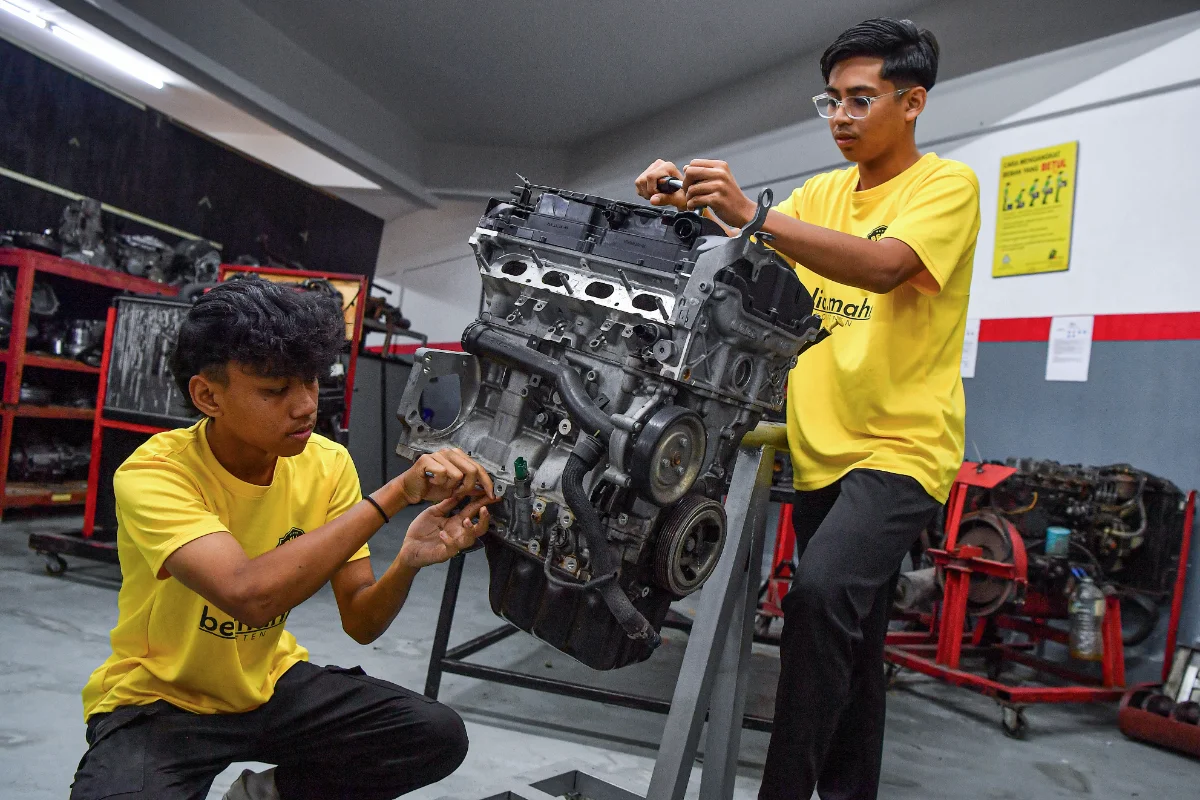
“The 95.9% employment rate is possible when students are enrolled in industry-based pathways such as ADI,” he said.
Tan said elevating TVET was non-negotiable if Malaysia is serious about becoming a high income, technology-driven economy.
“A nation cannot build advanced industries with university graduates alone. It also needs a strong foundation of highly skilled technicians, technologists and technical professionals,“ he said.
Assistant professor Aw Yoke Cheng, a TVET panel assessor with the Malaysian Qualifications Agency (MQA) and assessor to both the Skills Development Department and the Technology and Technical Accreditation Council of the Malaysian Board of Technologists, agreed that the perception problem remained a significant hurdle.
“No amount of policy reform will fix that unless we actively change how society values technical careers,” he said. He added that, however, young Malaysians appeared to be making the shift regardless.
Aw cautioned that the employability rate did not tell the full story, flagging uneven instructor quality across institutions and curricula that have failed to keep pace with industry.
“What is still missing is consistency,” he said, adding that some programmes continue to teach outdated technologies due to inadequate infrastructure and weak industry linkages.
“This leaves some graduates with skills that employers have already moved past, particularly in areas such as artificial intelligence and electric vehicles,” he said.
He described the overall effort as “trying to fill a bucket that has a slow leak” – real progress, but against a backdrop of rising demand for skilled workers.
Aw said much of the improvement was attributable to work-based learning schemes such as ADI, under which trainees spend between 70% and 80% of their training period working within actual companies.
He also cited the Code of Practice for TVET Programme Accreditation, developed jointly by MQA and skills department, as a mechanism for raising institutional standards.
“When every institution is held to the same high bar, with skilled trainers and modern facilities, we stop producing just certificates and start producing the workforce Malaysia genuinely needs,” he said.
“There is still plenty of work left to do, and no one should pretend otherwise,” he added.



