




Japan protests China’s new export controls, fearing disruption to rare earth supplies crucial for tech and EVs, amid escalating tensions
TOKYO: Japan has urged China to revoke tougher new export controls on products with potential military uses, possibly including vital rare earth minerals, in a further escalation of Beijing and Tokyo’s diplomatic tussle.
The Chinese commerce ministry said Tuesday that authorities have “hereby decided to strengthen export controls on dual-use items to Japan”, effective immediately.
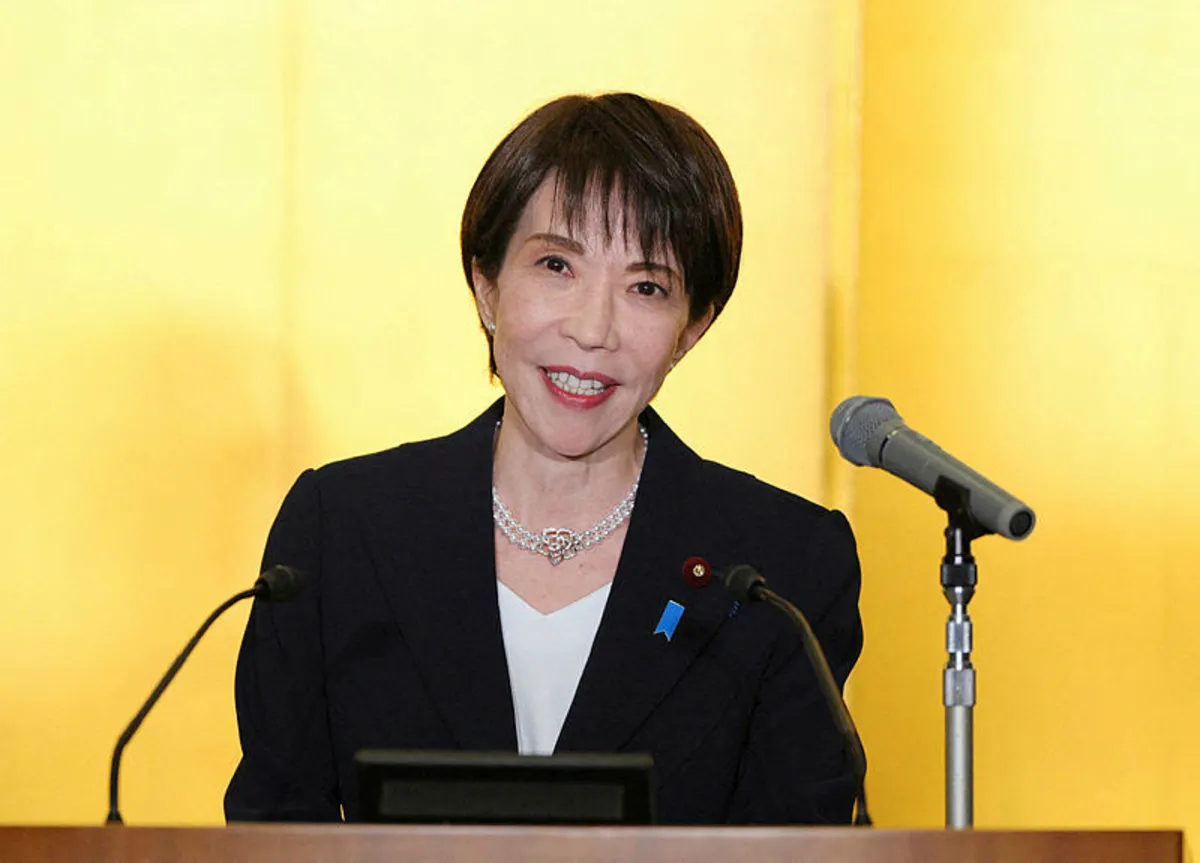
It comes as China ramps up pressure on Tokyo after Japanese Prime Minister Sanae Takaichi suggested in November that Japan may react militarily in any attack on Taiwan.
Beijing claims the self-ruled island as part of its own territory and has not ruled out seizing it by force.
China has also been highly critical of Japan’s military build-up.
While the Chinese statement did not mention specific items, it has fuelled worries in Japan that Beijing may choke supplies of rare earth minerals, some of which are included in China’s list of dual-use goods.
China by far is the world’s biggest supplier of rare earths, crucial for a range of tech products from smartphones to fighter jets.
Hours after the Chinese announcement, Masaaki Kanai, secretary general of the Asian and Oceanian Affairs Bureau of the Japanese foreign ministry “strongly protested and demanded the withdrawal of these measures”.
He issued the protest to Shi Yong, the Chinese embassy’s deputy chief of mission, the Japanese foreign ministry said in a statement late Tuesday.
Kanai said these measures “deviate significantly from international practice, is absolutely unacceptable and deeply regrettable”.
Symbolic or highly disruptive?
More than 70 percent of Japan’s imports of rare earths come from China, according to the Japan Organization for Metals and Energy.
That is in spite of Tokyo’s efforts to diversify supplies following an earlier 2010 row, which saw Beijing temporarily cut off exports of the materials to its neighbour.
Global risk consultancy Teneo said the ambiguous wording of the Chinese statement may have been intended to press Takaichi to take a more conciliatory stance towards China.
“The brief statement by China’s commerce ministry is vague, and the impact of the new measures could range from almost entirely symbolic to highly disruptive,” it said.
“By triggering concern in Japan about the ongoing availability of critical Chinese industrial inputs, the announcement puts immediate pressure on Takaichi to offer concessions.”
“A plausible scenario is that the commerce ministry initially rejects a small handful of license applications, creating only minor supply-chain disruption but signalling potential for broader damage in future unless Tokyo takes conciliatory action,” Teneo said.
Takahide Kiuchi, executive economist at Nomura Research Institute, said the impact on the Japanese economy would be “extremely severe” if China includes rare earths in export controls.
He estimated that a three-month ban could cost Japan 660 billion yen ($4.2 billion) and reduce the nation’s gross domestic product by 0.11 percent.
“Particularly for rare earths like dysprosium and terbium, which are auxiliary materials for neodymium magnets used in EV (electric vehicle) motors, Japan is said to depend almost 100 percent on China,” he added.
Japan’s top government spokesman Minoru Kihara declined Wednesday to comment on the impact on Japan’s industries, citing “the numerous unclear points… including the scope of the measures”.



