




Climate change is harming mental health, with nearly 60% of young people extremely worried. Experts call for urgent integration of mental health into climate policy.
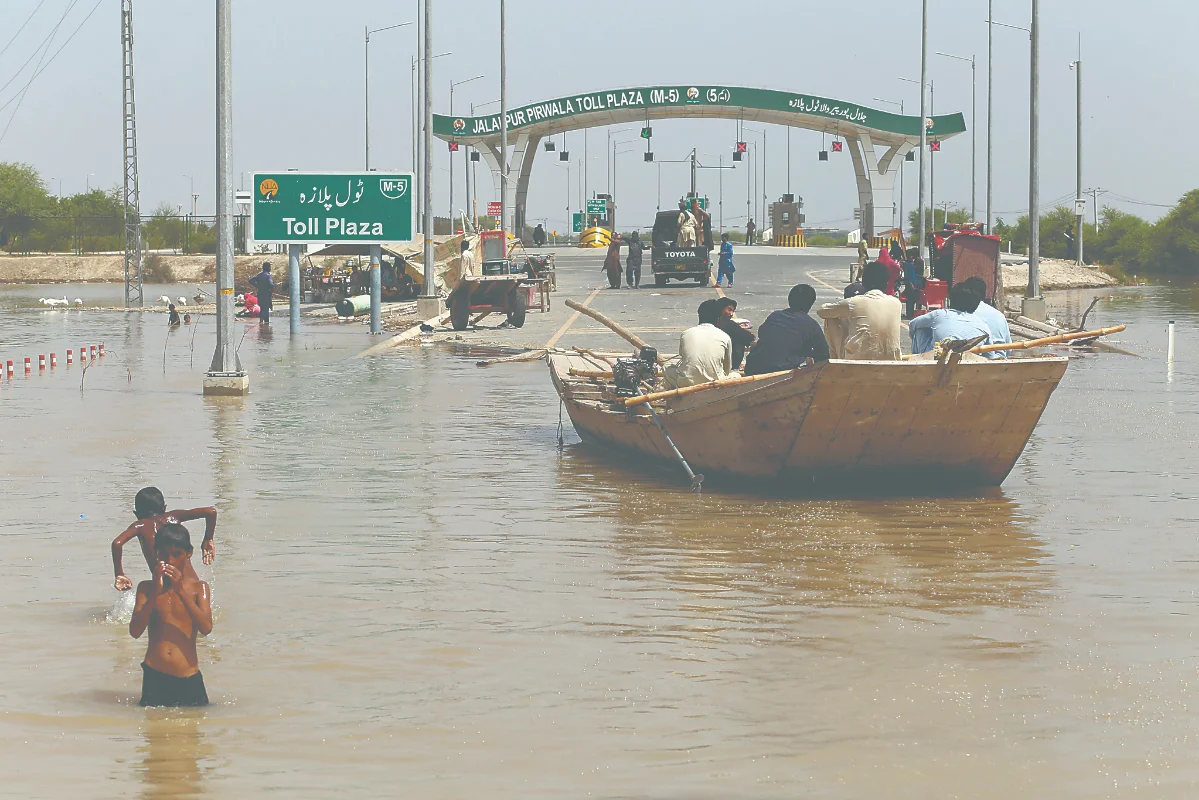
IN 2025, young people scrolled through images of climate-fuelled floods in Pakistan, relentless heatwaves in Europe and smoke from wildfires spanning continents – crises that felt distant yet deeply personal.
Many of these youths were nowhere near the disaster zones and yet these unfolding climate shocks – driving up food prices, squeezing job opportunities and leaving many youths anxious about their futures, including whether it is ethical to raise children in a world under growing strain – seeped into their daily lives.
This chronic unease is no longer dismissed as teenage melodrama; it has a name: eco-anxiety. Researchers are treating it as a pressing public-health challenge, recognising that the climate crisis is not just an environmental emergency but also a mental-health one.
ALSO READ: Deadly November Asian storms ‘supercharged’ by climate change, researchers say
A landmark survey of 10,000 young people across 10 countries, led by researchers at the University of Bath and published in The Lancet Planetary Health, found that nearly 60% were “very” or “extremely” worried about climate change, with almost half saying this distress was affecting their daily lives.
These findings underscore a troubling reality: the climate crisis is eroding mental well-being, particularly among those who have contributed least to the problem yet are likely to bear its heaviest psychological toll.
Climate change as a risk amplifier
Climate change does not only melt glaciers and raise sea levels; it also erodes the social and environmental foundations that support mental health.
A review published in the International Review of Psychiatry describes climate change as a “risk amplifier”with extreme heat, droughts and floods worsening poverty, driving displacement and conflict, and increasing physical illness – all factors that fuel anxiety, depression and post-traumatic stress.
The latest assessment from the Intergovernmental Panel on Climate Change confirms that climate hazards are already harming mental health globally. These impacts intersect directly with the United Nations Sustainable Development Goals (SDG).
SDG 3, which aims to ensure good health and well-being, is undermined when eco-anxiety and climate-related trauma go unaddressed. SDG 13 on climate action is equally at risk as societies’ capacity to respond effectively to climate threats depends not only on infrastructure and emissions cuts but also on the mental resilience of their communities.
Yet, mental health remains largely invisible in climate policy. A 2025 global review of 193 national adaptation strategies led by Imperial College London found that 58% did not mention mental health at all and only 17% included concrete measures to address climate-related psychological impacts.
The World Health Organisation further warns that most countries already face large treatment gaps in mental-health services – gaps that climate disasters are likely to widen. Ignoring eco-anxiety, therefore, can weaken societal resilience and deepen existing inequalities.
A human-rights perspective
International human-rights law offers a compelling lens to examine this overlooked crisis. Article 12 of the International Covenant on Economic, Social and Cultural Rights recognises “the right of everyone to the enjoyment of the highest attainable standard of physical and mental health” while the Convention on the Rights of the Child extends similar protections to all children.
In 2022, the United Nations General Assembly went a step further, recognising a universal right to a clean, healthy and sustainable environment. If unchecked, climate change can inflict foreseeable psychological harm. Failing to prevent or remedy that harm risks breaching these legal obligations.
Courts and scholars are slowly exploring this frontier. Cardiff University scholar Dr Samvel Varvastian, in a recent Journal of Law, Medicine and Ethics article, analyses cases brought before international human-rights bodies in which applicants argue that weak climate policies damage their mental health. While some tribunals acknowledge climate-related anxiety and trauma, they often treat mental harm as secondary to physical losses, such as flooded homes or heat-related deaths.
An OHCHR (office of the United Nations High Commissioner for Human Rights) policy brief on climate change, mental health and human rights urges states to close this gap by integrating mental health into climate adaptation plans and providing accessible psychosocial support, particularly for children, indigenous communities and people with pre-existing mental-health conditions.
Reframing the narrative
Eco-anxiety is not a pathology inside young people’s heads; it is a rational response to a world that is moving too slowly to safeguard its future. Treating it as a human-rights and climate-justice issue changes the question from “How do we calm anxious youth?” to “How do we stop giving them reasons to be afraid?”
If the promises enshrined in international law, including SDG 3 and SDG 13, are to hold meaning, climate action in the coming decade must also be a mental-health action.
For societies committed to a sustainable future, addressing eco-anxiety is not an option; it is essential. By acknowledging the mental-health toll of the climate crisis, integrating psychosocial support into climate strategies and empowering the next generation to participate in meaningful solutions, we can ensure that young people face the climate emergency not with despair but with hope, resilience and agency.
The challenge is urgent but so too is the opportunity to create a world where both the planet and the minds of its inhabitants can thrive.
Rewan Jianabuli, Wang Chuxin and Dr Mohd Istajib Mokhtar are from the Department of Science and Technology Studies, Faculty of Science at Universiti Malaya.
Comments: [email protected]



