



Table of Contents
INFLUENCE is often measured in views and subscribers in the crowded world of true crime and long-form digital storytelling.
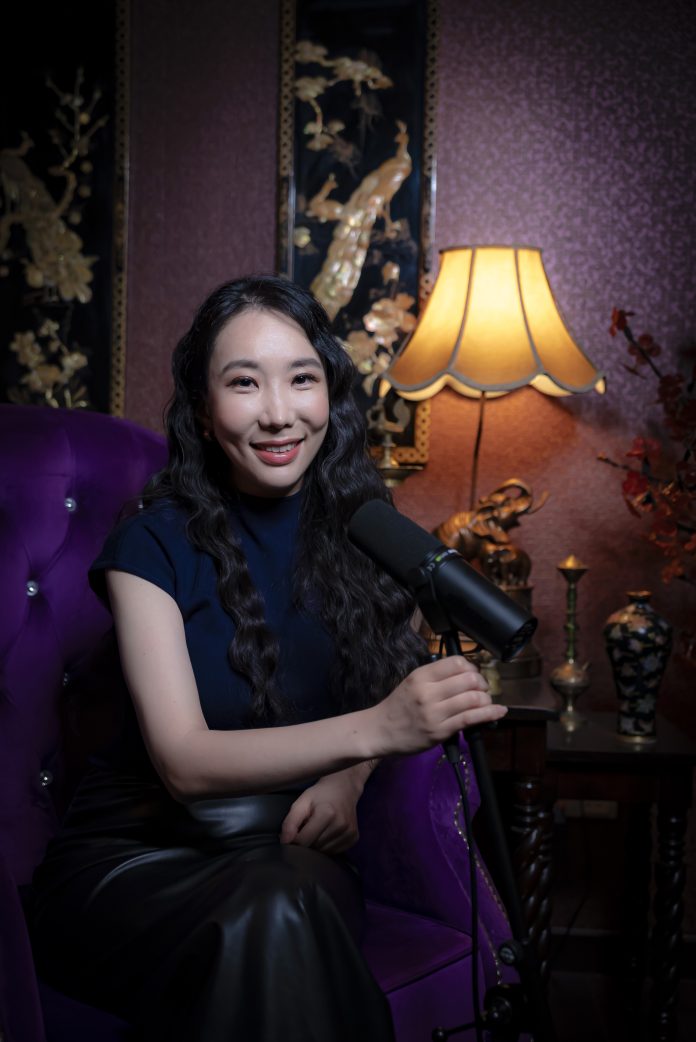
For Megan Lee, it is also measured in credibility. A former journalist and video producer based in South Korea, Lee has carved out a distinct space in the global true crime landscape by bringing newsroom discipline, cultural sensitivity and ethical restraint to stories that are often overlooked or misunderstood, particularly those emerging from Asia.
Since launching Dark Asia with Megan in 2023 and expanding her work with Beauty & the Beasts, Lee has built a combined subscriber base of over 1.2 million across both channels, amassing more than 125.6 million views.
Her audience is deeply international, with strong viewership from the US and across Asia, including Malaysia, the Philippines, India and Singapore, reflecting a growing global appetite for Asian narratives told with nuance rather than spectacle.
More notably, her community is known not just for consumption, but for thoughtful engagement. Viewers frequently extend conversations beyond crime itself into broader discussions on social structures, cultural pressures and accountability, positioning her work at the intersection of storytelling and social commentary.
In conversation with theSun, Lee discusses the challenges and responsibilities of documenting Asia’s darker histories in an online landscape that often rewards shock over substance.
Foundation in investigative journalism
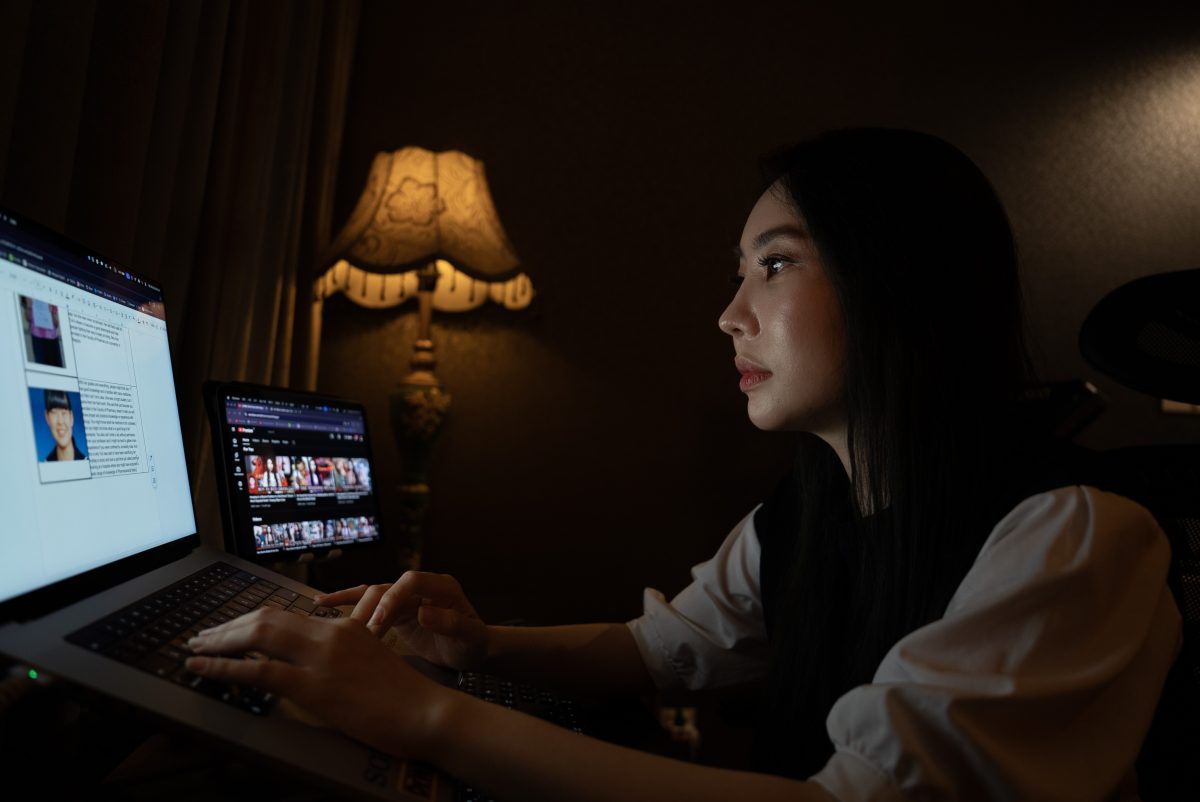
Lee’s approach is firmly rooted in investigative journalism. While at The Korea Times, she was part of the video team behind The Nth Room case: The Making of a Monster, a cross-border investigative documentary that exposed one of South Korea’s most disturbing digital sex crime scandals and the systemic failures that enabled it.
The project, produced in collaboration with regional media organisations such as South China Morning Post, Tempo, PCIJ and ABS-CBN, received a Video Storytelling Award at the 10th Korea Digital Journalism Awards, cementing Lee’s grounding in rigorous, collaborative reporting.
That experience continues to inform her work today, shaping an approach that prioritises accuracy, cultural context and ethical caution over dramatisation, even as she operates within a digital-first space.
Why darker stories matter
What drew her to covering Asia’s darker histories, Lee said, was a deep personal connection to the region’s realities.
Growing up as an Asian woman and later working as a journalist in South Korea, she witnessed firsthand how complex Asian societies can be and how often they are flattened into stereotypes when viewed from the outside.
“Many international narratives about Asia still rely on surface-level perceptions while overlooking deeper social issues such as academic pressure, gender inequality and the struggles faced by marginalised communities. These conversations matter, but they are not always addressed openly or accurately,” she said.
Her years reporting on digital sex crimes, exploitation and systemic failures reinforced the importance of bringing difficult subjects into public discourse, even when they are uncomfortable or politically sensitive.
“When I transitioned into digital storytelling, it felt natural to continue focusing on Asia’s darker histories and social realities. I wanted to challenge simplified perceptions of Asian cultures and create space for more honest, informed discussions about the issues many people across the region face,” she said.
Megan Lee’s growing global engagement
Lee has observed a steady increase in viewership, particularly from Southeast Asia and Western countries.
“Yes, I’ve seen a steady increase in viewers, particularly from Southeast Asia and Western countries. Many audiences are not just watching for the stories themselves but for the cultural and social context behind them,” she said.
Her coverage of Malaysian cases, including the Bandar Utama Damansara schoolgirl stabbing, the Zara Qairina school bullying case and the murder of Noor Suzaily Mukhtar, sparked especially strong engagement, cutting across national boundaries.
“These cases resonated because they highlighted broader issues such as youth violence, social pressure and the vulnerabilities faced by women in society,” she said.
For Malaysian viewers, these stories reflected realities they were already aware of but often felt were not openly discussed. For international audiences, they offered rare insight into social dynamics that rarely make global headlines.
“My intention in sharing these stories was not to sensationalise tragedy but to bring attention to the deeper social factors behind them by presenting these cases with context and sensitivity,” she said.
Emotional weight of reporting
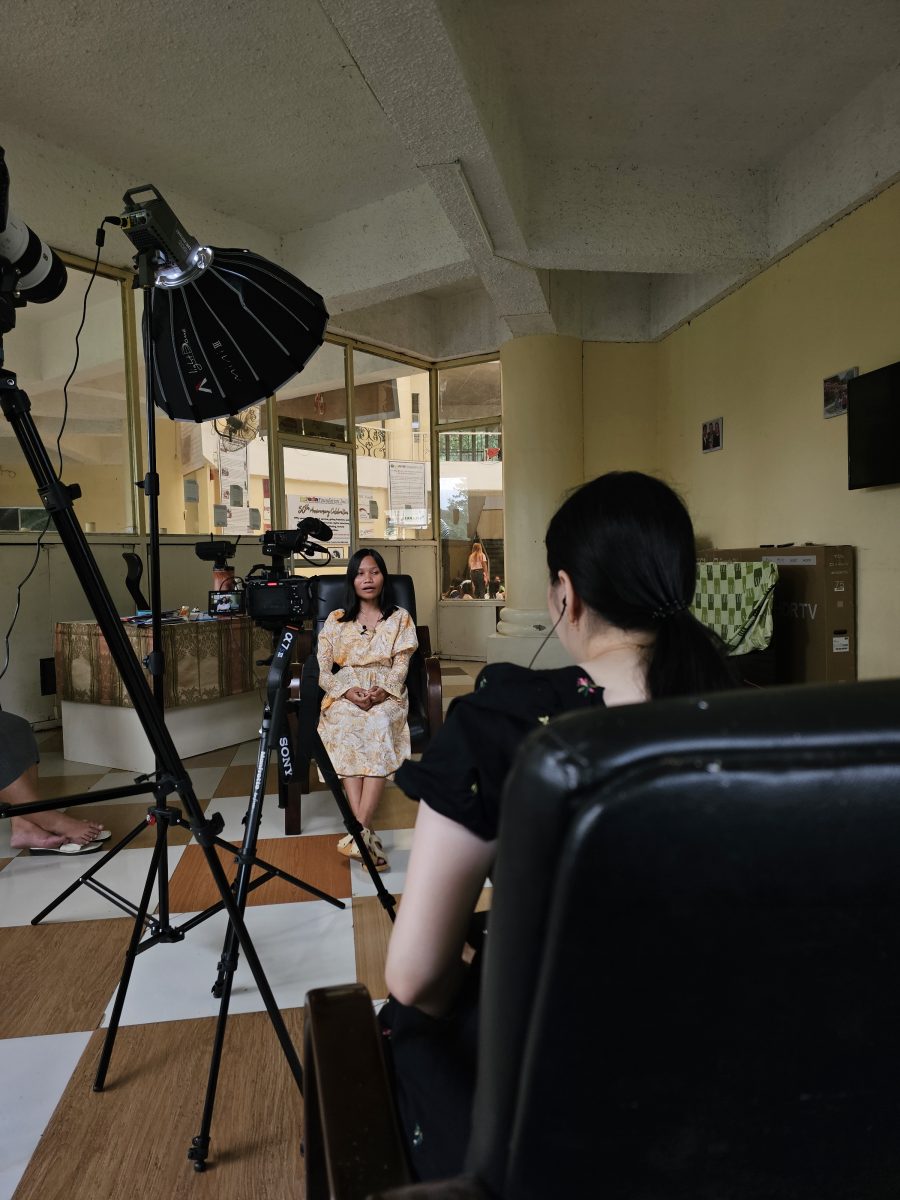
Some stories take a heavier emotional toll than others. Cases involving children are particularly difficult, Lee admitted. The Nurin Jazlin case in Malaysia remains one of the hardest she has covered.
“Nurin was an eight-year-old girl who was abducted, abused and murdered. The cruelty of the crime and the innocence of the victim made it extremely difficult to cover. As a mother, these cases take an emotional toll, but I also feel a responsibility to tell them carefully and respectfully,” she said.
Lee also shared that the Ang May Hong case deeply affected her, similarly involving a young victim and raising urgent concerns about child safety and protection.
“Stories like these stay with you long after the research is done,” she said.
Journalism versus sensationalism
Lee’s journalism training plays a crucial role in how she navigates sensitive material. Unlike many creators who rely on emotional narration or dramatic framing, she prioritises clarity, structure and restraint.
“My background in journalism has taught me the importance of clarity, restraint and responsibility when covering sensitive subjects. I see many true-crime formats that lean heavily on emotional narration, personal opinions or sensational elements. My approach is different,” she said.
Her newsroom experience has shaped how she reports on difficult topics without exaggeration or unnecessary dramatisation. The aim, she emphasised, is to inform audiences while allowing them to form their own conclusions.
Drawing ethical boundaries
Deciding where to draw the line between necessary exposure and ethical restraint remains one of the most challenging aspects of her work. While traditional journalism relies on factual reporting, video storytelling demands careful narrative construction.
“Visual content naturally requires more descriptive storytelling, and audiences expect a certain level of detail to understand a case. At the same time, I have to be careful not to cross the line into unnecessary sensationalism,” she said.
She evaluates each detail by asking whether it adds understanding or merely provokes shock, remaining mindful of the real people behind the stories.
Why Asia’s dark histories are misunderstood
Lee believes Asia’s darker histories are often misunderstood globally because the region is frequently viewed as a single, homogenous entity.
“Each country has its own history, social structures, religious influences and cultural values that shape how people think and behave,” she said.
Limited understanding of how deeply tradition and social expectations influence daily life further complicates interpretation, while sensitive topics are often avoided rather than discussed openly.
“I believe that silence and avoidance don’t help societies move forward,” she said.
Carrying stories that stay
Ultimately, Lee hopes viewers walk away with more than shock or curiosity. For Asian audiences, she hopes her work encourages greater awareness of shared regional challenges. For international viewers, she hopes it fosters understanding beyond stereotypes.
“Stories are no longer just incidents. They become reflections of a society’s history, beliefs and challenges,” she said.
If her work helps audiences approach Asian stories with greater awareness and empathy, Lee believes it has served a meaningful purpose.



