




KTMB’s MyRailLife programme aids over 40,000 students and PwDs in East Coast interiors, highlighting community reliance on train services for education.
KUALA KRAI: The MyRailLife programme by Keretapi Tanah Melayu Berhad has become a crucial mobility pillar for students in East Coast interior areas. It recorded 43,464 registrations last year, covering 41,641 students and 1,823 people with disabilities.
This figure reflects the high dependence of interior communities on train services, especially in areas without full highway access. KTMB continues to support students through its “KTMB Santuni Pelajar Wilayah Pantai Timur” programme.
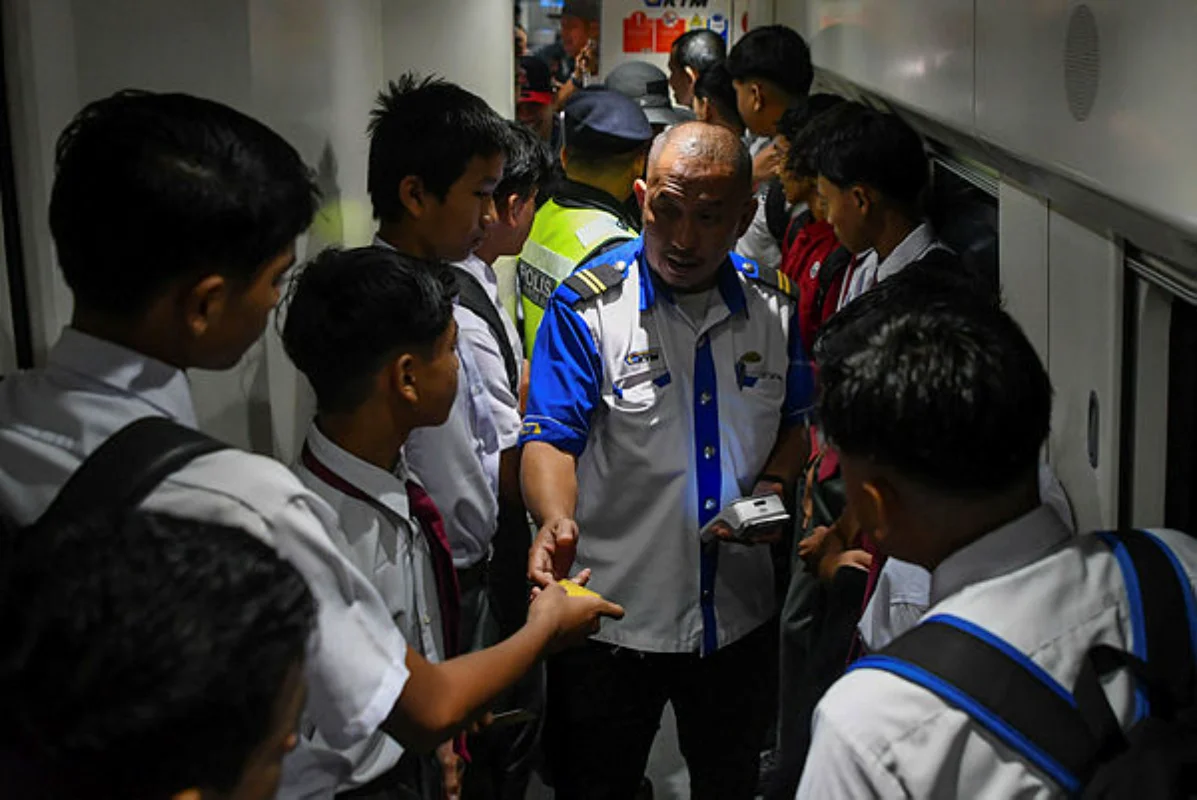
The initiative coincided with the first day of the 2026 school session, starting at Kuala Gris Station. Souvenirs were distributed to students boarding the SH51 Timuran Shuttle Service to Dabong.
Distribution also occurred on trains from Bukit Abu, Ulu Temiang and Manek Urai to Dabong Station, involving approximately 150 students. This served as moral encouragement for the new school session.
ETS and Intercity Services acting general manager Mohd Azhar Abu Bakar said MyRailLife ensures education access is unaffected, particularly in rural areas. “For residents in this area, trains are not just a means of transport, but are part of the rhythm of daily life,” he told reporters.
He noted some residents wake as early as 4 am to avoid missing train schedules. This initiative aligns with the government’s Budget 2026 announcement of free fares for children aged six and below, effective from Jan 1.
Two new Shuttle Timuran services for the Gemas–Kuala Lipis route were introduced from Jan 1. This increases daily services on the route to six, providing more travel options for East Coast passengers.
In 2025, the Shuttle Timuran service recorded 395,163 passengers, while the Timuran People’s Express recorded 666,121 passengers. For 2026, KTMB targets 687,214 passengers for the shuttle and 368,875 for the express service.
“KTMB is committed to continuing to be the heart of people’s transportation,” Mohd Azhar said. He added it supports social development and community well-being in rural and remote areas.



