




KUALA LUMPUR: Precision technology, robotics and digitalisation coupled with research and development (R&D) are vital ingredients for Malaysia to achieve food self-sufficiency, especially in rice production, as it continues to grapple with rising costs and production inefficiencies.
Food security expert Datin Paduka Prof Fatimah Mohamed Arshad (pic) said the advent of robotics, connectivity and technology, alongside digital tools and applications, offers immense potential to transform agriculture.
In an interview following her appearance on Bernama TV’s The Nation hosted by Elane Abdullah on Monday, Fatimah highlighted that Malaysia’s food productivity falls short, which jeopardises the country’s food security.
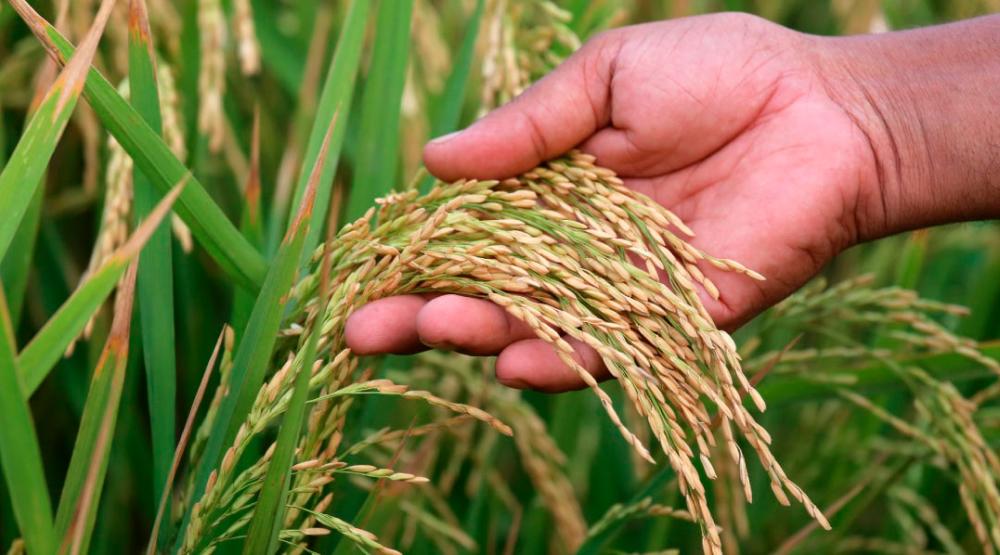
Citing padi cultivation, Fatimah, who is a research fellow at the Institute of Agricultural and Food Policy Studies at University Putra Malaysia, said while laboratory studies suggest yields of six to eight tonnes per hectare, “structural problems and climate change prevent us from achieving this”.
“Therefore, Malaysia needs robust R&D, government support, infrastructure development, and timely interventions.
“With the advent of robotics, connectivity, and technology as well as digital tools, we must develop applications and instruments to enhance efficiency and reduce costs to improve production,” she said.
Fatimah said Malaysia heavily depends on imported inputs for almost all agricultural items, including fertilisers, pesticides, weedicides, machinery, and even padi harvesters, which actually are 20-year-old wheat harvesters from Holland.
“These are not designed for rice harvesting, making them inefficient, especially when used on small farms,” she said.
The food security expert highlighted that this over-reliance on imported agricultural inputs, coupled with global inflation and supply chain disruptions, has left Malaysia’s food production system vulnerable.
“When you import, you also import inflation,” she said, pointing out how rising input costs have heavily impacted local farmers’ production capabilities.
Food imports in 2024 are expected to be higher than the RM78.7 billion imported in 2023 and RM75.6 billion in 2022.
Fatimah said the higher import bill for last year was driven by ongoing inflationary pressures, higher fuel costs and persistent global uncertainties, including geopolitical conflicts and climate change challenges.
She said Malaysia’s major food imports include food outputs such as rice, vegetables, fruits, meat, fish products, and milk.
Fatimah expressed concern that Malaysia’s achievement in food security could be categorised as “moderate” but relatively weak in the resiliency against crisis for most food, especially after the Covid-19 pandemic.
“Malaysia must prioritise putting its house in order with a clear focus on improving the performance of its food security,” she said.
Fatimah said that a reduction in imports and the achievement of self-sufficiency and food security are of paramount importance. – Bernama



