



Malaysia’s new two-tier RON95 pricing aims to save billions and fund development, but households face a ‘Triple Crunch’ of rising costs in 2026.
AS we navigate the opening weeks of 2026, a new economic ritual has taken hold at petrol stations across the country, marking the most significant shift in Malaysia’s social contract in a generation.
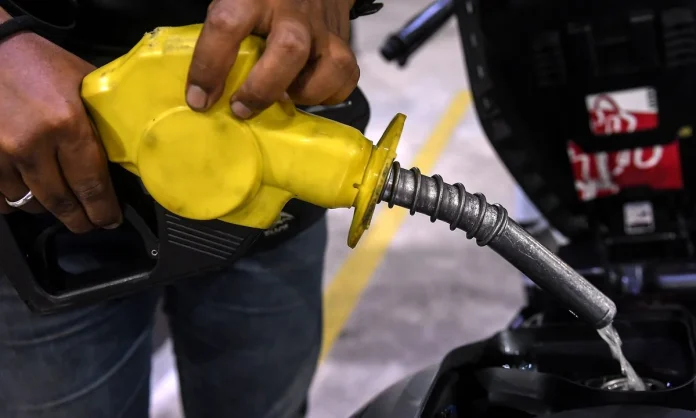
For the first time, the “two-tier” pricing of RON95 is a daily reality, with the Budi95 programme successfully fixing the price at RM1.99 per litre for 16 million eligible citizens while allowing it to float towards a market rate of approximately RM2.60 for high-income earners and non-citizens.
This transition is the cornerstone of a bold fiscal consolidation strategy aimed at narrowing the national deficit to 3.5% of GDP this year, a necessary step towards the 3% target mandated by the Public Finance and Fiscal Responsibility Act.
By plugging the multibillion ringgit “leakages” that previously saw subsidised fuel benefitting the wealthy and foreign commercial interests, the government is projected to save between RM4 billion and RM5 billion annually, funds that are already being redirected into the nation’s social and digital infrastructure.
However, for the average Malaysian household, this fiscal discipline is currently colliding with what economists are calling the “Triple Crunch” of 2026.
This January, families are simultaneously balancing the exhaustion of back-to-school expenses, which are slightly bolstered by the RM800 million Early Schooling Assistance, with the rising costs of preparing for an early Ramadan and Hari Raya season.
While headline inflation is targeted to stay within a manageable 2% to 3% range, the psychological impact of the fuel subsidy shift remains a concern.
To buffer this, the government has scaled the Sumbangan Tunai Rahmah and Sara programmes to a record RM15 billion allocations, now reaching over eight million recipients.
These direct cash transfers are no longer just welfare; they are essential tools for maintaining domestic consumption, which remains the primary engine of our projected 4% to 4.5% GDP growth this year.
This period of adjustment also marks the official launch of the 13th Malaysia Plan (2026–2030), themed “Melakar Semula Pembangunan” or Reshaping Development.
Unlike previous blueprints that relied on low-cost labour and blanket subsidies, the 13MP seeks to pivot Malaysia towards a high-value economy driven by artificial intelligence and an RM1 trillion electrical and electronics export target.
A critical metric for the success of this plan will be the labour share of income, which the government aims to raise to 45% by 2030 through the Progressive Wage Model.
The goal is to move beyond “subsidy dependence” by ensuring that wages finally grow faster than the cost of a plate of nasi campur. This structural shift is ambitious but it is the only way to escape the middle-income trap that has constrained the Malaysian “dream” for the past two decades.
Simultaneously, the stakes for 2026 are raised by the Visit Malaysia 2026 campaign, which officially kicked off this month with an unprecedented target of 47 million international arrivals.
With a projected tourism revenue boost of RM147.1 billion, the success of our “Surreal Experiences” theme depends heavily on our internal stability.
If the transition to targeted subsidies remains seamless and the redirected funds visibly improve public transport and healthcare, the rakyat will likely continue to support these necessary reforms.
The government must remain vigilant against profiteering. Transparency in how the “subsidy savings” are spent will be the only currency that will buy the public’s trust during this transformative year.
Ultimately, 2026 will be remembered as the year Malaysia stopped “kicking the can down the road”. The move to RM1.99 petrol is an essential medicine for a healthier national treasury but the end of universal subsidies makes the adjustment a difficult one – and reform without empathy risks losing the ground it gains.
As we look towards the potential of the 13MP and a record-breaking tourism year, the government’s focus must remain on “raising the floor” for the vulnerable even as they “raise the ceiling” for the economy.
If we can balance the books without breaking the family budget, 2026 will be the year Malaysia can finally chart a path towards a sustainable, high-income future.
Dr Muhammad Ammirrul Atiqi Mohd Zainuri is a senior lecturer in the Faculty of Engineering and Built Environment at Universiti Kebangsaan Malaysia. Comments: letters@thesundaily.com



