




PETALING JAYA: Family offices – organisations that support the purpose, legacy and ambitions of the world’s most prominent families – need to adapt and transform their strategy and operations to address a series of disruptions brought on by rapid global economic, social, regulatory, geopolitical and technological change, according to the new EY Single Family Office Study.
The study examines the views of more than 250 single family offices (SFO) in 12 countries around the world, including more than 50 from Asia-Pacific. It also explores the challenges and opportunities SFO are facing as a result of unprecedented changes related to issues including wealth and regulation, digital transformation, risk and reputation, and strategy and governance.
A hot topic among many families and their SFO is the expanding definition of value and purpose beyond traditional performance indicators to encompass environmental, social and governance criteria, and the impacts on human capital, communities, customers and stakeholders.
The study observes that 58% of SFO respondents who monitor non-financial metrics to a significant extent also perform above their expectations, a higher proportion than those who don’t measure non-financial metrics.
SFO are also facing increasing pressure to improve performance beyond traditional financial measures. Factors contributing to this pressure include the growing influence of Gen Z (34%), actions by competitors (32%) and the emergence of new regulation on non-financial and climate disclosure (28%).
While most respondents (83%) believe that tracking non-financial metrics does matter, only 30% of SFO respondents currently have any significant measurement of performance beyond traditional financial metrics.
SFO respondents are taking action to pursue more diverse strategies and robust governance frameworks to help ensure their ambitions are being met. One area of focus is social responsibility, with 44% of SFO respondents now actively excluding investments that clash with their ethics and values, and the same percentage say they plan to make social or environmental investments over the next 12 months.
The study reveals that SFO are concerned about several current regulatory issues. About 53% of respondents are worried about increasing requirements for global transparency and information exchange, the increasing complexity of cross-border tax compliance (48%), and concerns around increased regulatory uncertainty in the wake of the Covid-19 pandemic (46%). With many family members traveling regularly across borders, 72% of SFO respondents highlight concerns around the potential tax implications of remote working.
The study reveals that almost two-thirds of respondents are not confident that their tax operations are high performing, with respondents pointing to areas around processes, people, technology, cost management and risk monitoring.
Examining SFOs’ approach to digitalisation and security, the study reveals that almost three quarters of respondents have experienced a cyber breach in recent years. Currently, 72% do not have a cyber incident plan and 61% do not have processes in place to detect IT breaches, which may leave them exposed to future attacks. Looking ahead, 81% plan to take action, indicating that they will invest in three or more digital technologies over the next two years.
Another area covered in the survey is broader risk management. Currently, 49% of SFO respondents are confident that they have the processes in place required to identify risks on the horizon, while 31% acknowledge that decisions about risks facing their organisations are not taken at the highest levels.
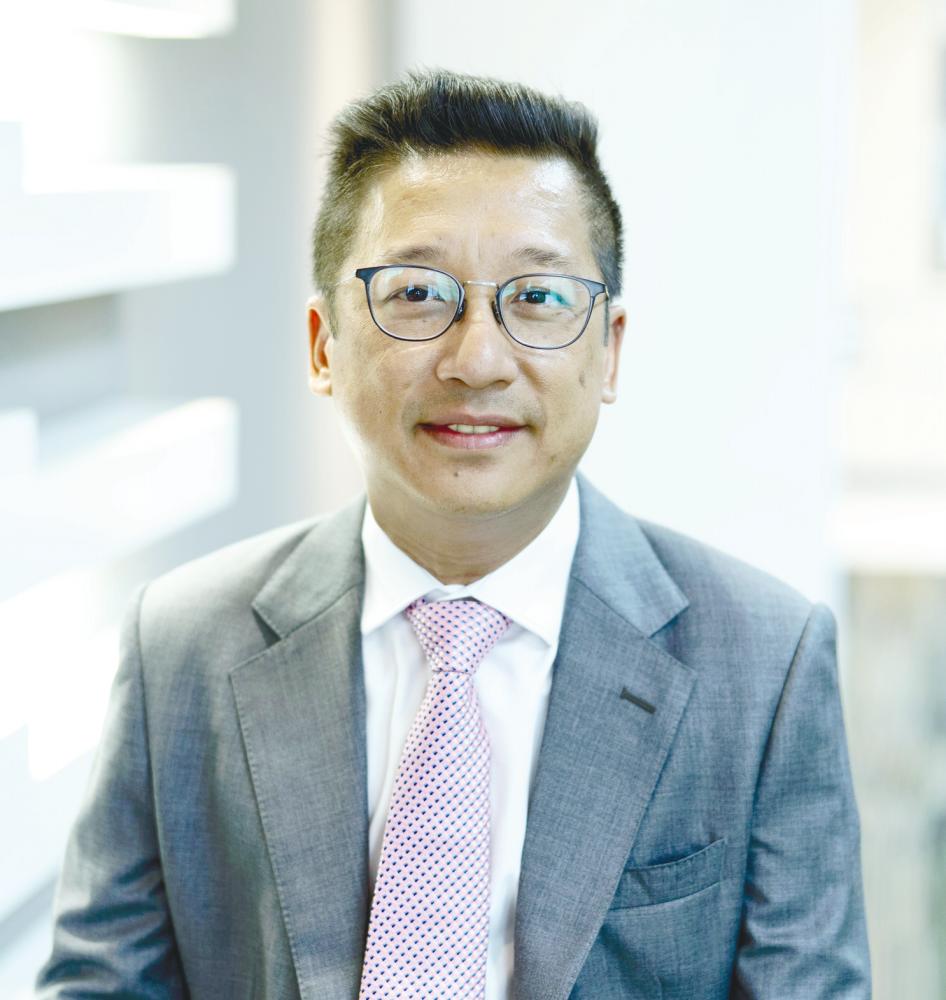
Ernst & Young Tax Consultants Sdn Bhd Malaysia EY private tax leader and partner, Bernard Yap (pix) said as SFO become more prominent for entrepreneurs to facilitate their investment and operations, there will always be risks and opportunities to appreciate from constant global changes as reflected in this EY study.
“The upcoming family generations appreciate the professionalism in operating in a complex environment from a corporate governance perspective and complying with constant regulatory changes. Multinational corporations and large organisations have the necessary support and financial strength from their shareholders to adapt to such changes whilst SFO must rely on their family stewardship to protect their family legacy. The unexpected effects from the Covid-19 pandemic have also pressured SFO to make changes to their current way of doing businesses and adapt to the disruptions highlighted in this study. We see this as great learnings for SFO in Malaysia and a chance to work with local regulators to build this niche industry in Malaysia.”
EY Asia-Pacific family enterprise leader Desmond Teo said while digital transformation provides great opportunities, it also comes with risks. Cybersecurity is a key focus area, not just for the family office but the entire ecosystem which includes the families themselves and connected businesses.
“More than 75% of SFO in Asia-Pacific are also concerned about regulatory demands due to heightened government requirements for global transparency and information exchange, alongside changing mandatory reporting disclosures globally and within Asia-Pacific. SFO in Asia-Pacific should look into implementing a more structured process for identifying risks on various fronts and address them accordingly and professionalise these systems to align with the family’s purpose and priorities.”



