




Table of Contents
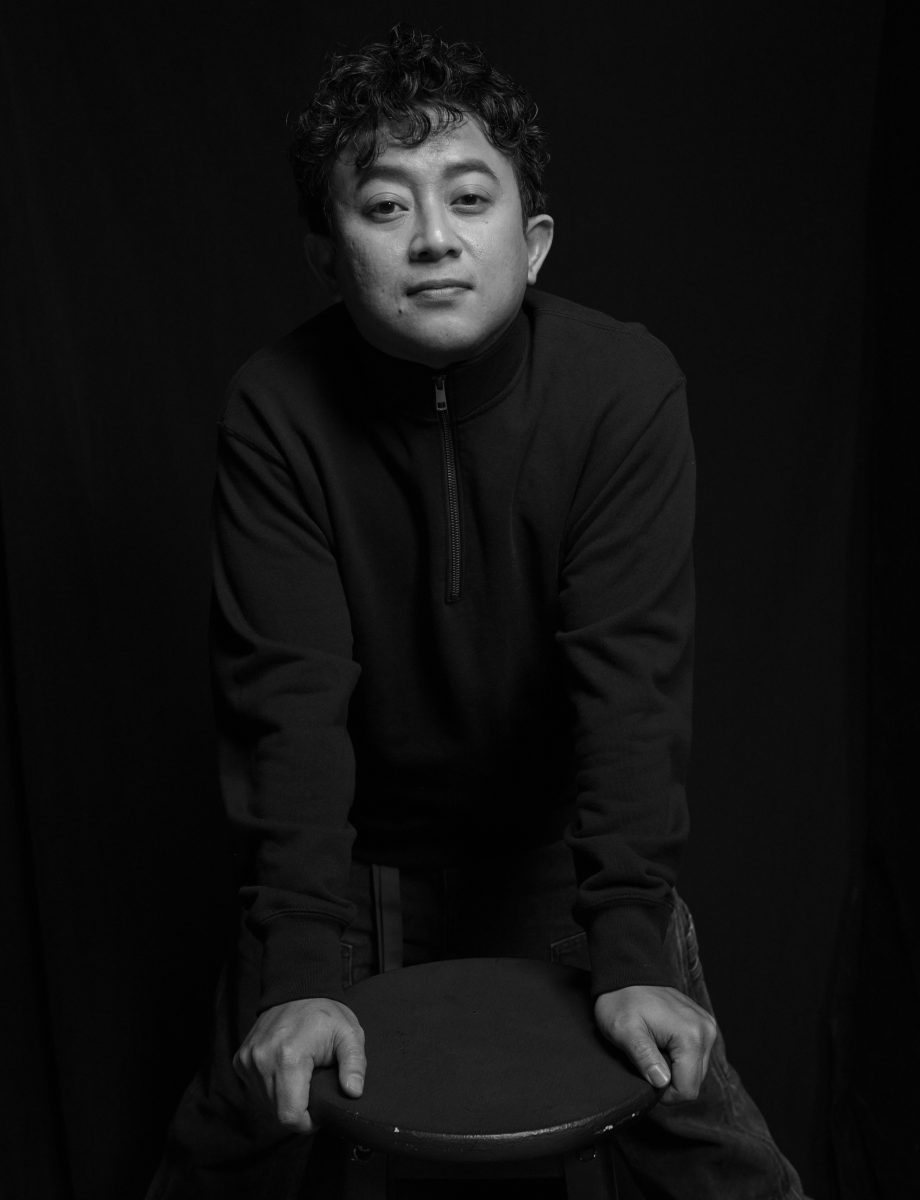
When filmmaker Ariff Zulkarnain found himself spending extended periods in Terengganu during the Covid-19 pandemic, he was not actively searching for the subject of his next feature film.
The director of One Cent Thief (2022) and Good Boys Go To Heaven (2026) instead found himself reconnecting with the place where he grew up and observing realities that often go unnoticed beyond the state’s picturesque beaches and tourism campaigns.
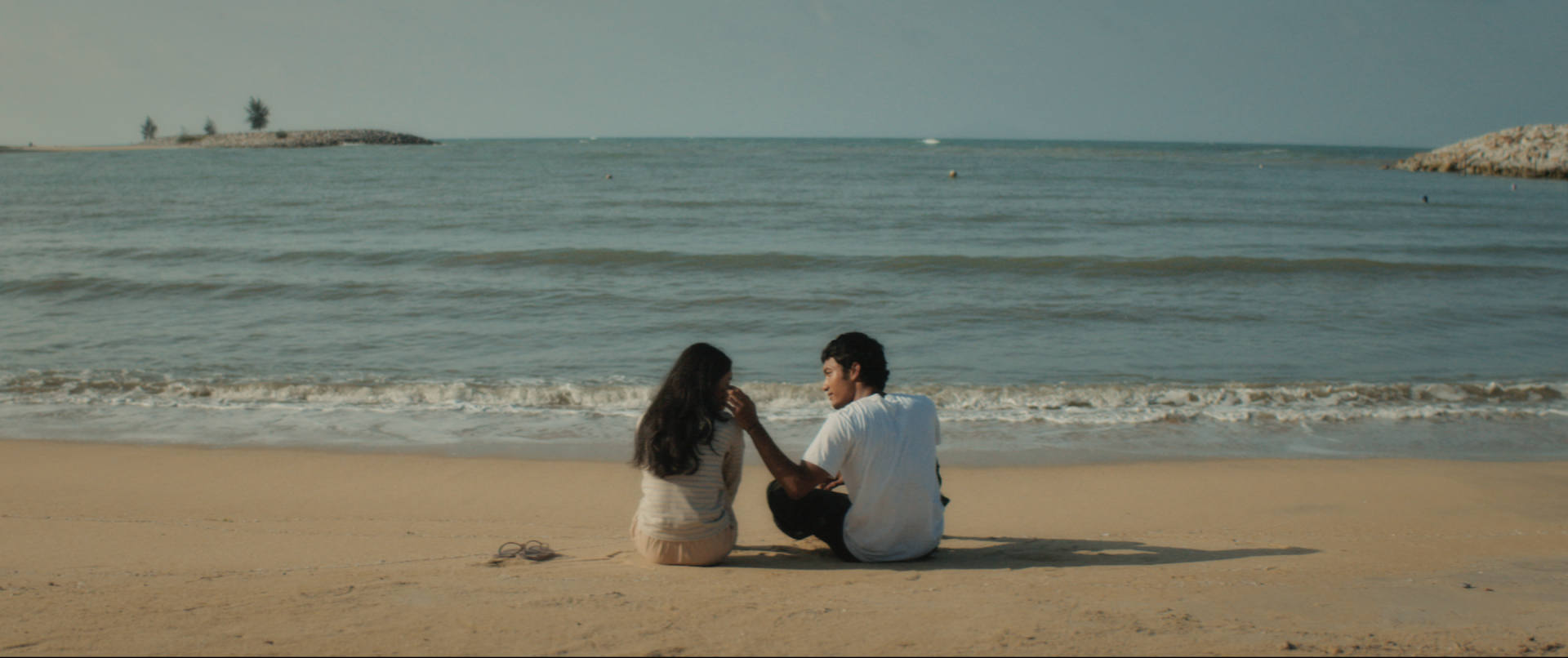
Those observations would eventually become Baga, a gritty neo-noir drama about addiction, stigma and young love that has now been selected as the opening film of the 9th Malaysia International Film Festival (MIFFest).
For Ariff, 39, the film is as much a portrait of a place as it is a story about its people.
“I wanted to dedicate a story to my hometown because I felt there were stories there that deserved to be told,” he told theSun.
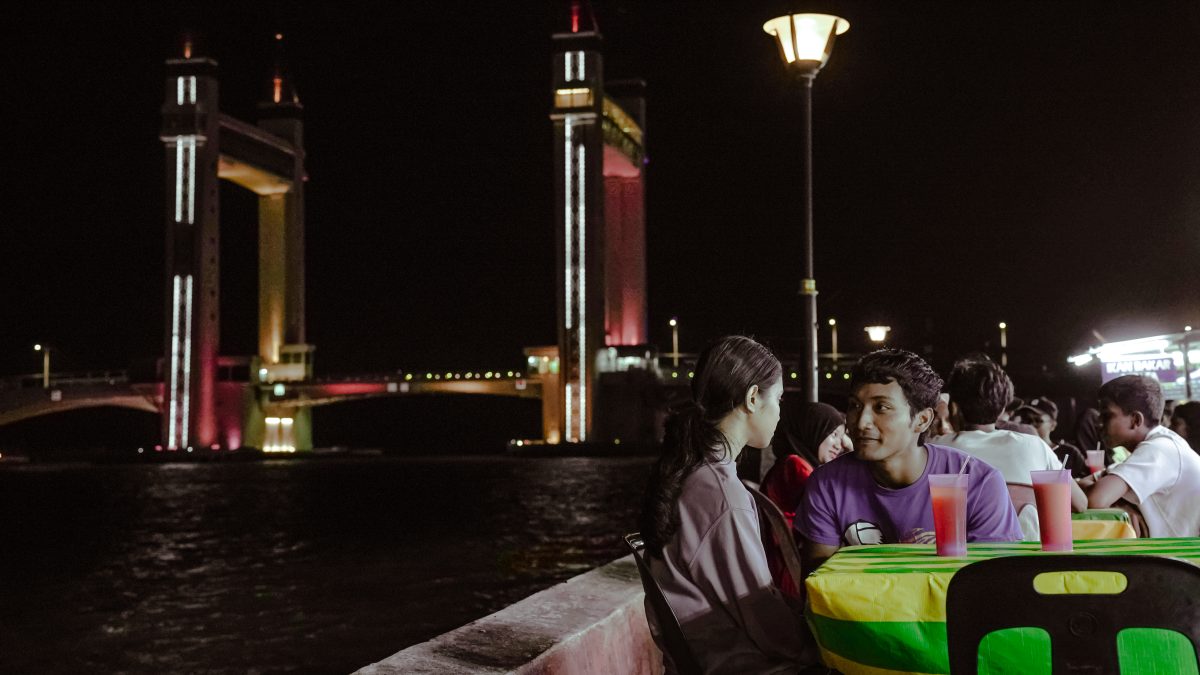
Set in a conservative seaside village in Terengganu, Baga follows Jani and Melur, two young lovers trapped between inherited realities and dreams of escape.
When an unexpected pregnancy forces them into a difficult choice, Jani turns to the drug trade in a desperate attempt to secure their future.
As love collides with addiction, poverty and tradition, the couple must confront the cost of survival in a community where opportunities are scarce and every choice carries consequences.
Reflection of reality
Ariff drew inspiration from his personal experiences back home.
“I witnessed firsthand how yaba pill addiction has affected countless lives, leaving scars on individuals, families and communities. This film seeks to shine a light on those often-overlooked realities while exploring themes of love, desperation and redemption,” he said.
Yaba pills, also known locally as ‘pil kuda’, is a combination of methamphetamine and caffeine, and are often abused by manual laborers for a quick energy boost or a means of escape.
As addiction and dependency brews from continuous consumption, these people find themselves stuck in a vicious cycle of working to fund their addiction.
His observations reflect a broader problem in the region as the National Anti-Drugs Agency (AADK) recently revealed that Terengganu recorded 997 drug addicts and abusers per 100,000 population, making it the second-highest rate in Malaysia after Kelantan’s 1,105 cases per 100,000 population.
For Ariff, those figures represent more than statistics as they are realities that continue to shape families, relationships and communities across the East Coast, forming the foundation of Baga’s story.
The film also explores the social stigma surrounding pregnancy outside of marriage, a topic Ariff believes is often avoided rather than properly addressed.
“Pregnancy outside of marriage is still considered taboo in many places. Because people don’t want to talk about it, it often leads to poor management of the issue and even more hardship for those involved,” he said.
Together, those elements form what Ariff describes as a reflection of both the place and the people who inhabit it.
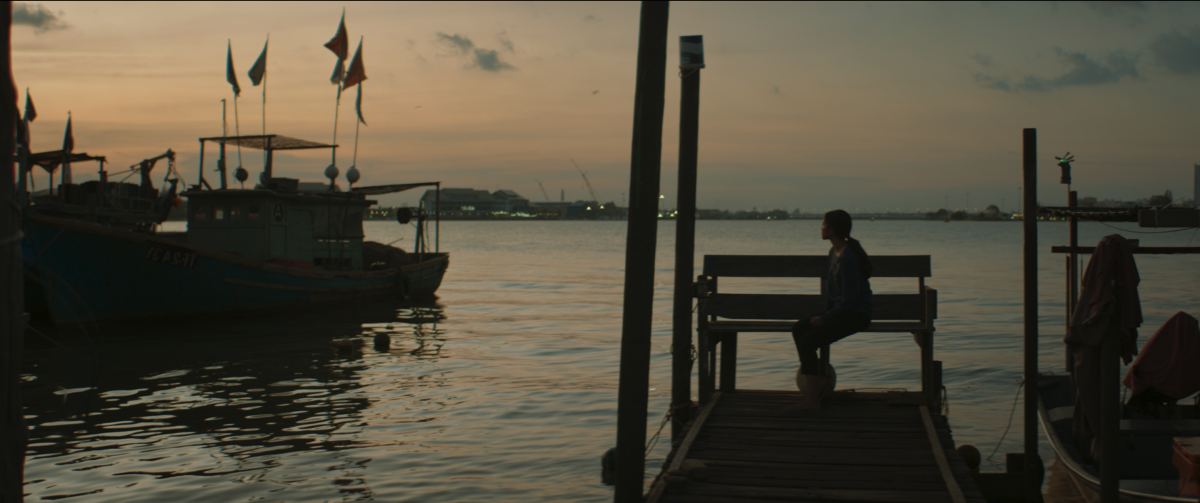
A part of the film also highlights the gradual disappearance of the bot penambang, the traditional ferry boats that once served as a lifeline between Kampung Seberang Takir and Pasar Payang.
For decades, the boats carried passengers, produce and stories across the river, turning the jetties into bustling social hubs where communities gathered and livelihoods were built.
Today, only a handful remain since the construction of the Terengganu Drawbridge in 2019 dramatically reduced demand for the service, while many of the remaining boatmen are approaching retirement age with few successors willing to continue the trade.
For Ariff, the decline of the bot penambang mirrors many of the tensions explored in Baga.
Even the title carries local significance, as ‘baga’ is an East Coast slang which refers to hallucinations or paranoia, often associated with drug use.
A difficult film to finance
Bringing Baga to the screen proved far from straightforward.
One of the biggest challenges was securing financial support for a story centred on controversial social issues.
“Funding was definitely one of the biggest obstacles because many studios don’t want to be associated with films that touch on hypersensitive subjects,” Ariff said.
As a result, Baga became the first independently produced feature from Indigo Films, a move that allowed the filmmakers greater creative freedom but also came with additional risks.
“There were moments when it would have been easier to make something safer or more commercial but we believed in the story and wanted to stay true to what we were trying to say,“ he said.
The film also faced challenges during the censorship process.
Several scenes depicting drug use had to be trimmed before receiving approval from the Film Censorship Board (LPF), resulting in a 16+ classification.
While some filmmakers view censorship as a purely restrictive process, Ariff takes a more pragmatic approach.
“There has to be some level of compromise. As filmmakers, we want to tell our stories honestly but at the same time we understand there are guidelines. The goal is to find a middle ground where both sides can work together,“ he said.
Despite those adjustments, he believes the core message of the film remains intact.
“The most important thing was making sure the emotional journey and themes stayed intact. That’s what audiences will connect with,” he said.
Balancing art and accessibility
While Baga tackles heavy subject matter, Ariff was also conscious of making the film accessible to wider audiences.
That consideration influenced the casting of actor Amir Hanaf in one of the lead roles.
“We wanted someone who could help bridge that gap between independent cinema and mainstream audiences,“ Ariff said.
The decision reflects a broader shift Ariff believes is happening within Malaysian cinema, where the divide between commercial and alternative films is gradually shrinking.
“Audiences today are much more open to films that explore deeper topics. The gap between alternative films and commercial films is getting closer,“ he said.
He points to the growing success of locally produced dramas and socially conscious stories as evidence that Malaysian viewers are increasingly willing to engage with more challenging narratives.
“People don’t just want entertainment anymore. They want stories that feel relevant and reflect the realities around them,“ he said.
Opening MIFFest
For a film that struggled to secure funding and navigated multiple challenges on its way to completion, being selected as MIFFest’s opening film carries particular significance.
Ariff sees the selection not only as recognition for the film itself but also as a positive sign for Malaysian cinema.
“It’s a great initiative by MIFFest to choose a bold film as its opening film. It shows confidence in local stories that might not fit the traditional commercial mould,“ Ariff said.
He hopes the festival platform will encourage wider discussions around the issues explored in the film.
“I’ve always believed that a good film is one that people continue talking about after they leave the cinema,“ he said.
For him, the ultimate success of Baga will not be measured solely by box office numbers or festival accolades.
“If audiences leave the theatre discussing the characters, the themes or the questions the film raises, then we’ve achieved something meaningful,“ he said.
Looking ahead
After spending years working on heavier, socially driven stories, Ariff admits he is ready for a change of pace.
Indigo Films is currently developing several new projects, including a comedy that draws inspiration from the spirit of cult Malaysian hit, Baik Punya Cilok (2005), marking a significant tonal shift from the heavier themes explored in Baga.
“I think after making films like this, it’s healthy to explore something lighter and have fun with storytelling in a different way,“ Ariff said.
Still, even as he looks towards comedy, Baga remains an important milestone in his career.
The film is scheduled for nationwide release in November following its MIFFest premiere, bringing a story rooted in Terengganu to audiences across the country.
For Ariff, that journey feels fitting.
What began as a personal desire to tell a story about home has now become one of the most anticipated Malaysian films of the year, proving that local stories, no matter how uncomfortable or difficult, can resonate far beyond the places they originate from.
READ MORE:
Tarung review: No mercy left standing
(Review) Polong: Poor script haunts local horror film
Fleak review: The children’s fantasy film with a darker emotional twist



