




Table of Contents
Taylor’s Education Group turns ESG Festival into impactful dining, storytelling, fashion experience
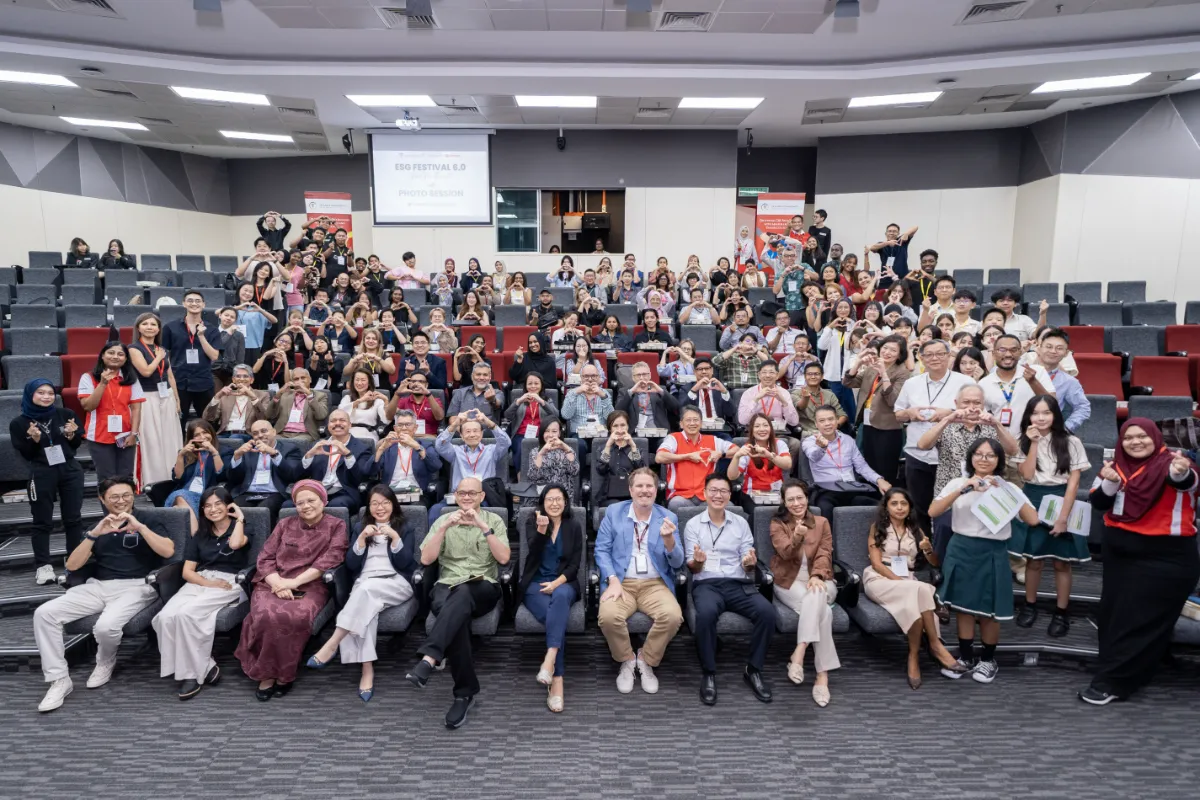
SUSTAINABILITY is often discussed through targets, disclosures and corporate frameworks but Taylor’s Education Group’s Environmental, Social and Governance (ESG) Festival 6.0 brought the conversation closer to the plate and the wardrobe.
Held at Taylor’s Lakeside Campus and co-hosted with Gamuda Berhad under the theme “Food for Thought”, the festival used rescued ingredients, refugee storytelling and an upcycled fashion showcase to explore a central provocation: “Are We Solving the Right Problem?”
The question encouraged participants to examine whether ESG efforts are creating meaningful environmental and social impact or simply improving how such issues are reported.
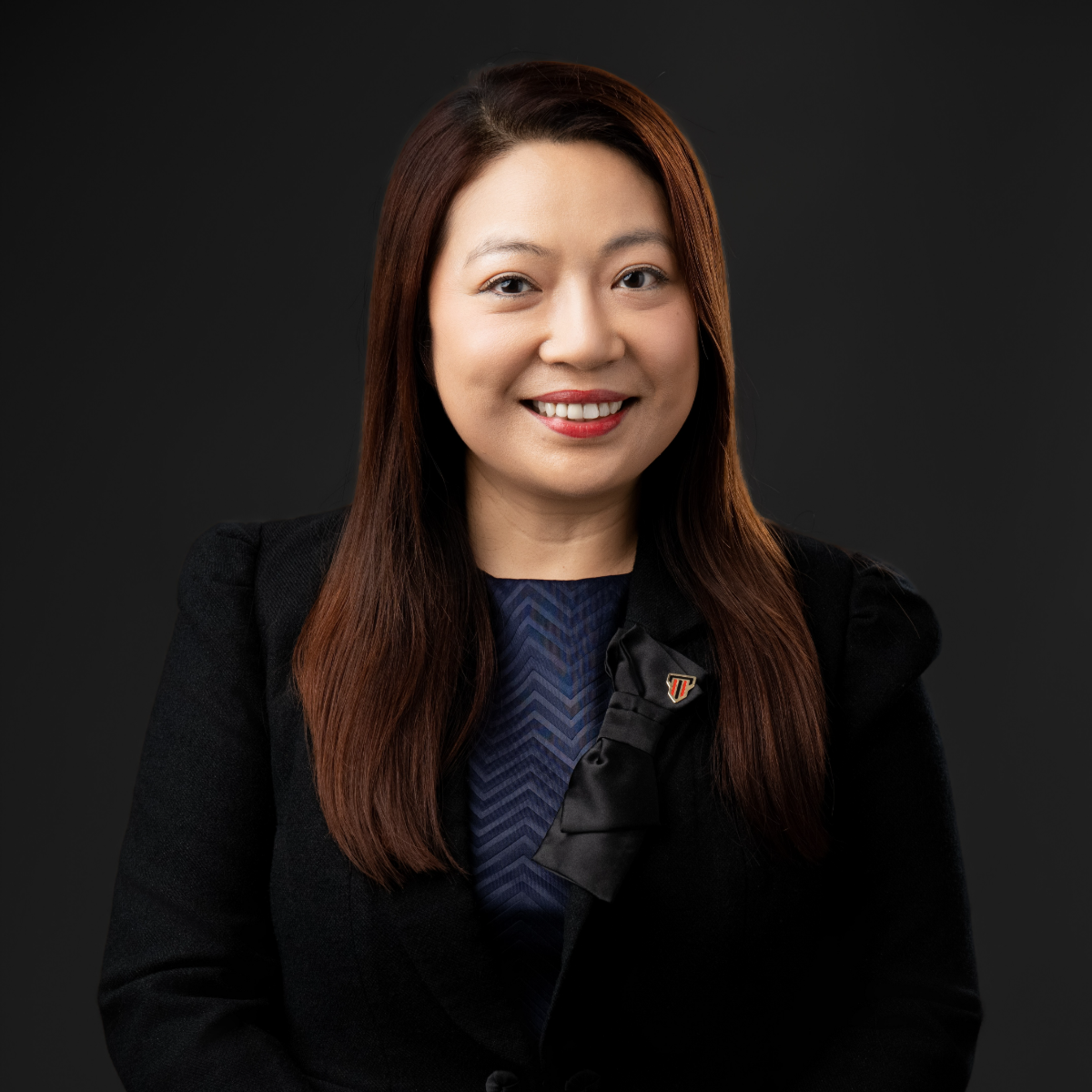
For Taylor’s Education Group head of group sustainability office Dr May Wong, the format was designed to move sustainability conservation beyond awareness and towards action.
“I have attended many sustainability conferences that follow a similar rhythm and agenda but often with little visible action. We wanted participants to experience something different,” she said.
Turning sustainability into lived experience
Participants were served a five-course dining experience curated by Malaysian social enterprise Saving Graze, which transformed rescued and commonly discarded ingredients into a menu designed to challenge perceptions of food waste.

The menu included dishes made with banana peels, shiitake mushroom legs, rescued pineapples, watermelon rind, fish scales and chickpea water, showing how food waste can be rethought instead of thrown away.
Wong said the aim was for participants to leave with at least one practical action, even if it was as simple as changing a food habit or supporting refugee-led work.
“As long as there is one action inspired by our event, that is enough,” she said.
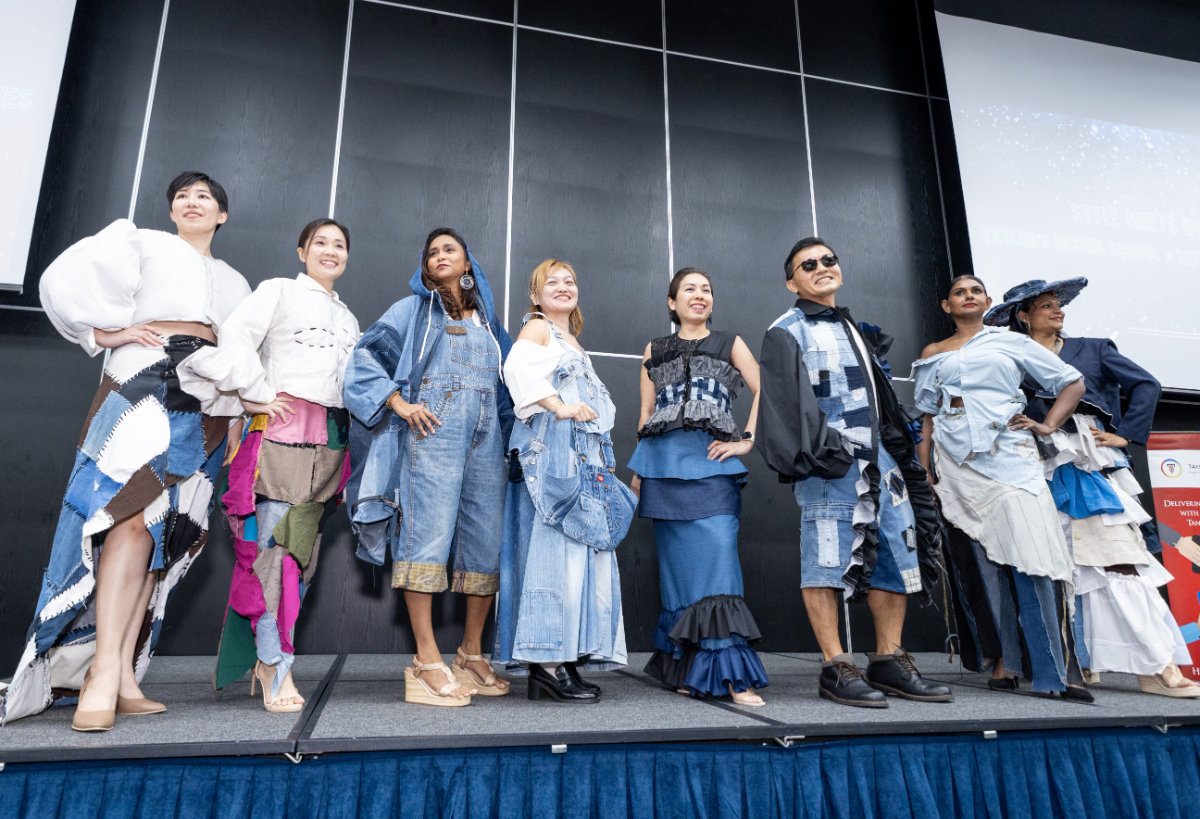
Fashion also formed part of the festival’s message. A waste-to-fashion showcase brought together refugee tailors, students from The Design School at Taylor’s University, Gamuda’s fabric collection efforts and Taylor’s staff, who modelled the final pieces.
The festival also featured immersive storytelling and music performances by refugee participants in collaboration with Taylor’s University School of Liberal Arts and Sciences.
The initiative formed part of the festival’s broader effort to connect sustainability with lived experiences and community engagement.
“We wanted to raise awareness of the challenges refugees face while also highlighting the skills, creativity and talent they bring to communities,” she said.
From reporting to real-world impact
The panel discussion widened the conversation. Climate Governance Malaysia founder and chairperson Datin Seri Sunita Rajakumar reflected on concerns that net-zero 2050 could become “the biggest greenwashing exercise in the world.”
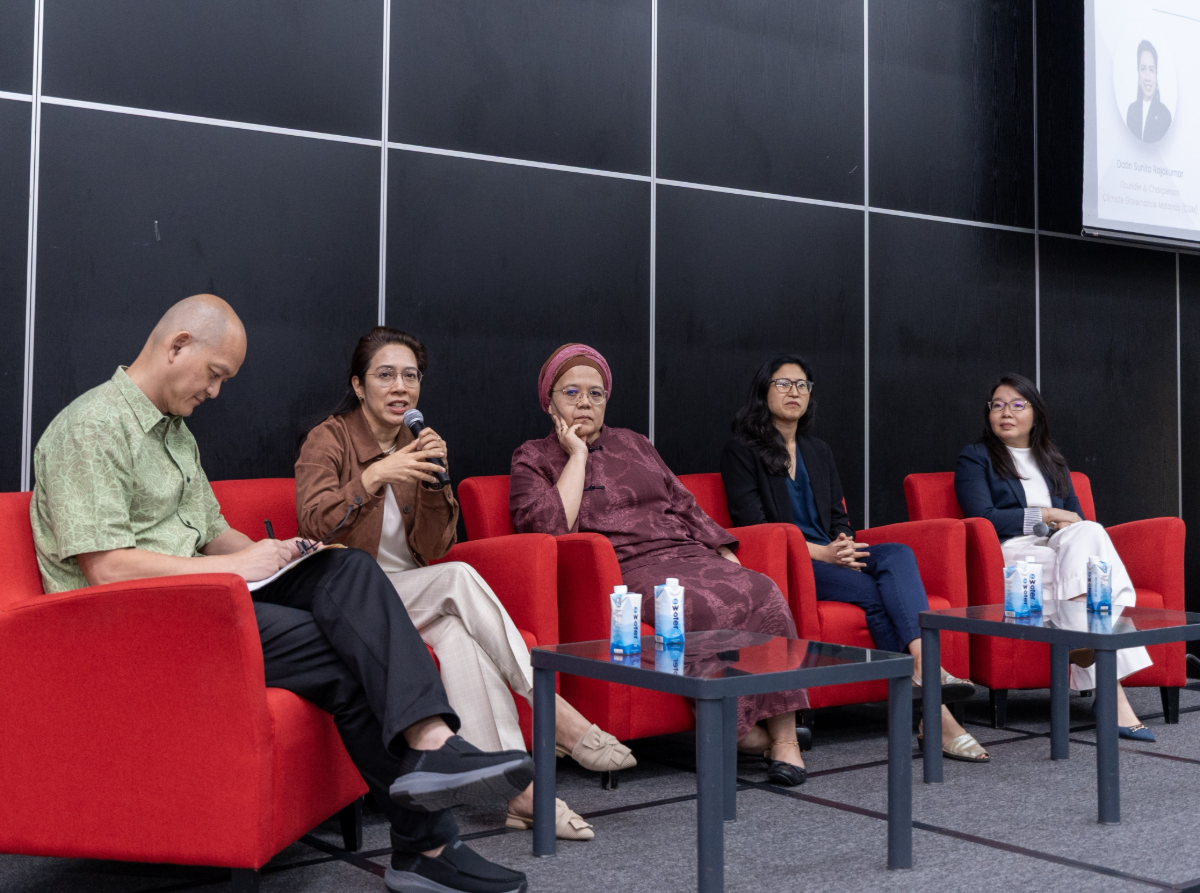
Meanwhile, Yayasan MySDG CEO Anita Ahmad asked whether ESG measurements “really change a person’s life on the ground”.
IDEO Consulting Southeast Asia director Bea Camacho emphasised the importance of designing sustainability solutions around people’s real needs, while Gamuda Berhad group chief sustainability and communications officer Ong Jee Lian questioned whether companies are investing enough resources into meaningful impact rather than focusing predominantly on disclosures.
Moderated by Professor Dr Ong Kian Ming, adjunct professor at Taylor’s University, the discussion also explored board-level accountability, sustainable community development and whether sustainability is genuinely embedded within business models, reflecting the festival’s broader focus on governance alongside environmental and social issues.
Building future sustainability leaders
Beyond the festival, Taylor’s continues to strengthen ESG integration across leadership, governance, campus operations and institutional culture across its operations in Malaysia, Singapore and Vietnam. The group is also building internal ESG governance and data capabilities ahead of Malaysia’s National Sustainability Reporting Framework requirements.
Taylor’s Education Pte Ltd president and ESG co-chair Karl Engkvist said sustainability is increasingly shaping how students view education and their future careers.
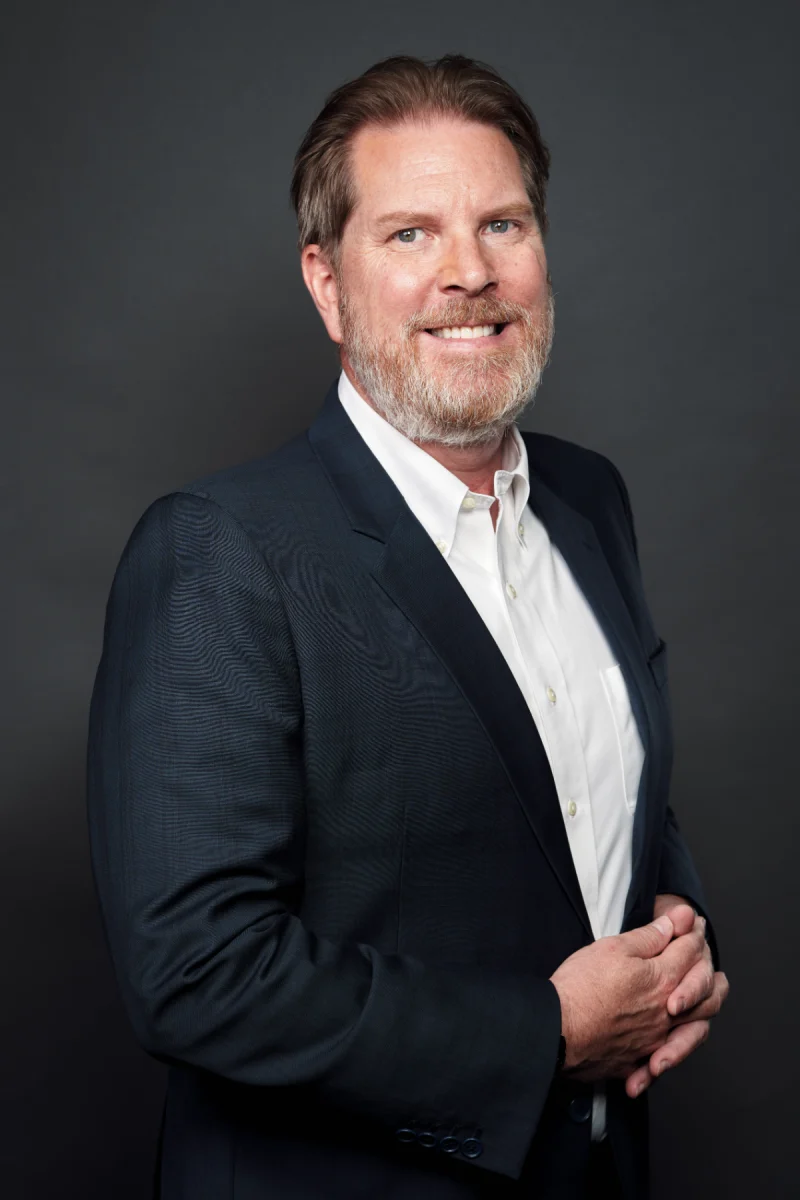
“This is a very big question right now, especially in a world where we keep hearing about how artificial intelligence is consuming more and more resources.
“I think it is the students who are going to drive more economical ways to use new technologies,” he said.
He said Taylor’s Impact Labs allow students from different disciplines to engage with sustainability through the United Nations Sustainable Development Goals, making the subject part of their learning rather than a separate conversation.
The collaboration between Taylor’s Education Group and Gamuda Land through Lexel International School was also highlighted as an example of how sustainability can be translated into community development and access to affordable, future-focused education.
A second Lexel campus is scheduled to open at Gamuda Cove this September. By placing sustainability in food, clothing and community stories, the festival moved ESG away from boardroom language and into everyday choices.
At its clearest, the message was that sustainability does not have to begin with a report. It can begin with what people eat, what they throw away and what they choose to give a second life.
READ MORE:
Young talents, brilliant minds, bright futures
Meet the child authors shaping their own narratives
theSun celebrates Parents’ Day with family cake decorating contest



