




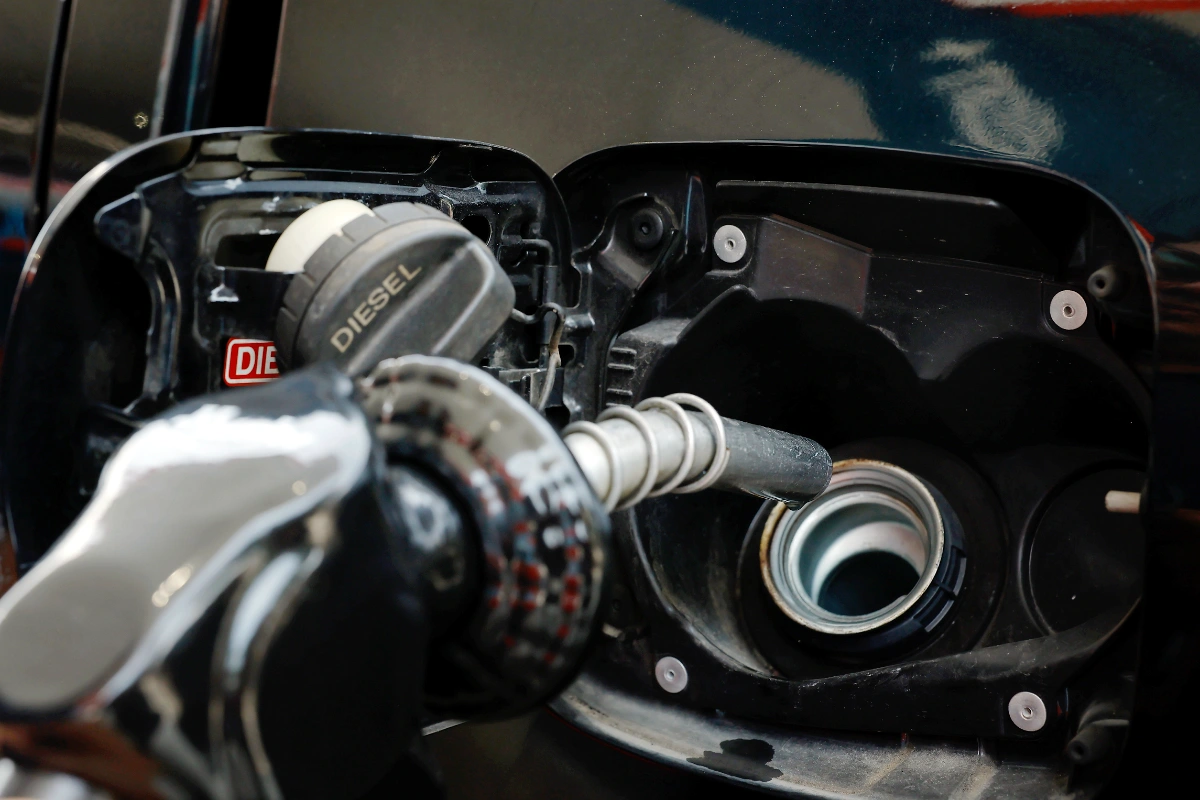
Ahmed Razman said the success of the BUDI Diesel initiative depends on the accuracy of recipient data and the technological capacity to support the distribution system.
KUALA LUMPUR: The implementation of the BUDI MADANI Diesel (BUDI Diesel) initiative, which provides diesel at RM2.10 per litre through the MyKad verification mechanism from July 1, is expected to reduce subsidy leakages while ensuring government assistance reaches those who genuinely need it.
Putra Business School (PBS) economic analyst Associate Professor Dr Ahmed Razman Abdul Latiff said a targeted subsidy mechanism is more sustainable than blanket subsidies as it enables the government to channel assistance more accurately to eligible groups.
“Through the targeted price subsidy approach, those who depend on diesel for work or business, including operators of diesel-powered machinery and equipment, can directly benefit from lower operating costs,” he told Bernama.
He explained that targeted fuel subsidies serve a different purpose from direct cash assistance. While cash aid provides households with greater flexibility in managing daily expenses, fuel subsidies help contain production, logistics and transportation costs.
However, Ahmed Razman said the success of the BUDI Diesel initiative depends on the accuracy of recipient data and the technological capacity to support the distribution system, particularly in rural areas with limited internet connectivity.
“The key challenge is ensuring that the database of eligible recipients is continuously updated to avoid complaints from those who may be left out. A transparent and efficient feedback and appeal mechanism is also essential because the effectiveness of the BUDI Diesel programme depends on accurate data,” he said.
He added that targeted subsidies could also ease the government’s fiscal burden by limiting benefits to eligible recipients and preventing higher-income groups and foreign nationals from enjoying subsidised fuel.
“The savings generated can be redirected to high-impact sectors such as education, healthcare, public transport and infrastructure. The success of this approach can be measured through controlled inflation and a more manageable cost of living,” he said.
Meanwhile, Bank Muamalat Malaysia Bhd chief economist Dr Mohd Afzanizam Abdul Rashid described the use of MyKad as the primary verification mechanism for subsidy distribution as a systematic and proven approach.
We have already seen this mechanism successfully implemented for RON95 fuel. Applying the same approach to diesel is expected to generate savings of about RM2 billion while ensuring the subsidy is distributed in a more targeted and efficient manner,” he said.
He said efforts to curb fuel smuggling and subsidy abuse would enable the government to manage subsidy expenditure more effectively and sustainably.
“If fuel prices remain stable and the economy continues to grow, the government could eventually consider distributing subsidies based on income levels, further reducing future fuel subsidy expenditure,” he said.
Mohd Afzanizam also stressed that fuel subsidies should be viewed as a temporary measure and called for the transition to electric vehicles (EVs) to be accelerated as part of Malaysia’s green mobility agenda.
“The shift to EVs must continue. To support this transition, charging infrastructure needs to be expanded and fast-charging technology further developed to address range anxiety,” he said.
Meanwhile, the Muslim Consumers Association of Malaysia (PPIM) urged the Ministry of Domestic Trade and Cost of Living (KPDN) to strengthen enforcement to prevent traders from exploiting the implementation of the BUDI Diesel initiative by imposing unjustified price increases.
–MORE
BUDI DIESEL-CONSUMERS 4 (LAST) KUALA LUMPUR
Its chief activist, Datuk Nadzim Johan, said changes in fuel prices often trigger a chain reaction that drives up the prices of goods and services, ultimately burdening consumers.
“When diesel prices increase, the prices of many other goods tend to rise as well. Once prices go up, they rarely come down. Therefore, strict enforcement is essential to prevent irresponsible parties from taking advantage of the situation,” he said.
He also encouraged consumers to act as the government’s eyes and ears by reporting unreasonable price increases, accompanied by supporting evidence such as purchase receipts and location.
Besides monitoring prices, Nadzim urged the government to tighten controls on imported products to protect local producers and introduce policies to reduce food waste, including promoting the use of retort packaging technology to strengthen the country’s food security.



