




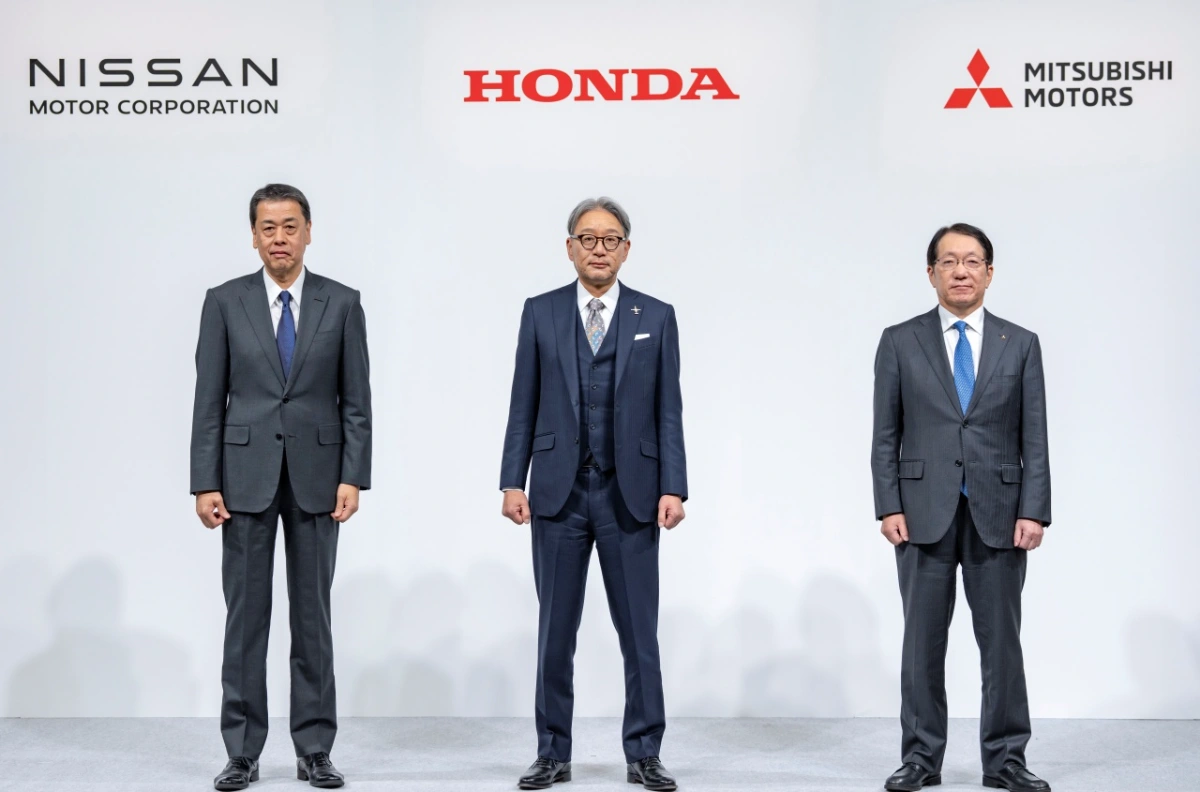
The reported ECU-sharing plan is expected to cover future hybrid and electric vehicles.
Honda, Nissan and Mitsubishi may not be merging after all, but their future cars could still end up sharing some of the same electronic brains.
According to reports from Japan, the three carmakers are in final talks to standardise electronic control units, or ECUs, for next-generation vehicles. The deal has not been formally announced yet, but Honda CEO Toshihiro Mibe recently told shareholders that discussions with Nissan and Mitsubishi on next-generation vehicle technologies are already at an advanced stage.
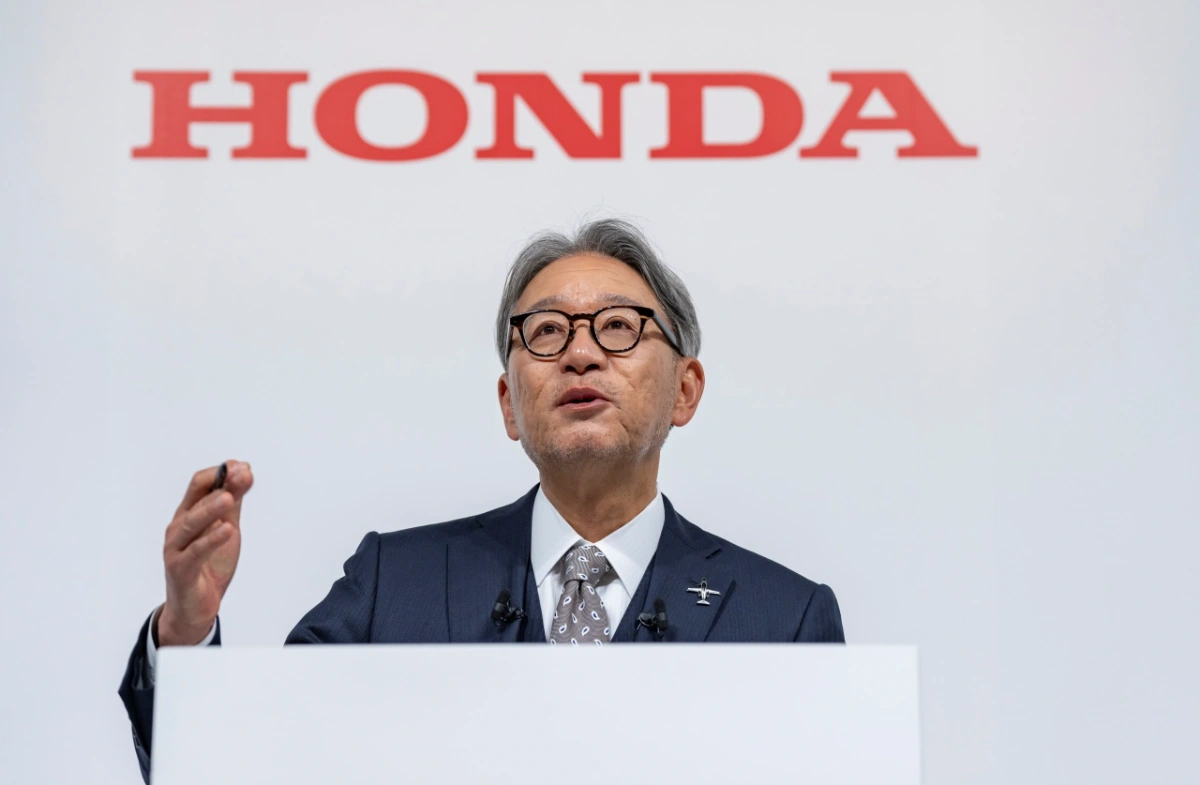
This is not a revival of the failed Honda-Nissan merger. Instead, it points to a more practical form of cooperation, one that could help all three Japanese brands reduce development costs, speed up software development and better compete with newer, faster-moving rivals.
The reported ECU-sharing plan is expected to cover future hybrid and electric vehicles. If an agreement is reached, vehicles using the shared electronic architecture could reportedly start appearing around the end of the decade.
As cars become more software-defined, the electronic architecture behind them matters more than ever. Standardising key ECUs would make it easier for Honda, Nissan and Mitsubishi to share software foundations, reduce duplication and spread development costs across a larger number of vehicles.
That could be especially important as all three brands face pressure from Chinese automakers, which have been able to develop and launch highly connected EVs and hybrids at a pace that traditional carmakers have struggled to match.
Honda and Nissan first began exploring deeper cooperation in 2024, with a focus on software, electrification and vehicle intelligence. That eventually led to the much larger proposal for a business integration between Honda and Nissan, with Mitsubishi also studying potential involvement.
Those merger talks were short-lived. In February 2025, Honda and Nissan officially ended their memorandum of understanding on business integration. Nissan, Honda and Mitsubishi also terminated the separate MoU relating to tripartite collaboration in the context of that merger structure.
However, the companies did not completely walk away from each other. At the time, Honda, Nissan and Mitsubishi said they would continue to collaborate under the earlier strategic partnership framework aimed at intelligent and electrified vehicles.
So while the merger collapsed, the underlying reason for cooperation never really disappeared. Honda, Nissan and Mitsubishi still need to lower costs, improve software capability and respond more quickly to changes in the global market.
Honda has been under pressure after recording its first annual loss in seven decades, linked partly to heavy restructuring costs from its electric vehicle strategy. Mibe has also faced criticism from former Honda executives over the company’s direction, although he has since secured shareholder support to remain on the board.
The company has also adjusted its electrification strategy. Instead of continuing with an aggressive EV-only direction, Honda is now placing greater emphasis on hybrids while reassessing parts of its EV plan. A shared ECU project could fit into that new direction, especially if it supports both hybrids and EVs rather than only battery-electric models.
Nissan, meanwhile, is going through its own turnaround effort. The company is trying to reduce costs, simplify its business and rebuild momentum after a difficult few years. For Nissan, sharing development of key electronic systems could help reduce the financial burden of future vehicle programmes.
As part of the wider Renault-Nissan-Mitsubishi Alliance structure, Mitsubishi already has long-standing links with Nissan. A shared ECU architecture could allow Mitsubishi to benefit from larger-scale development without having to carry the full cost alone.
There is still a possible governance complication as Renault continues to hold voting rights in Nissan, and the French carmaker still has influence over Nissan’s decisions. That may not matter for a simple technology-sharing agreement, but it could become more relevant if the Honda-Nissan-Mitsubishi cooperation grows into something deeper later.



