




Table of Contents
“Rage – Goddess, sing the rage of Peleus’s son Achilles, murderous, doomed, that cost the Achaeans countless losses, hurling down to the House of Death so many sturdy souls, great fighters’ souls, but made their bodies carrion, feasts for the dogs and birds.”
Thus begins Homer’s Iliad, the ancient Greek epic that has captivated imaginations across the world for over two millennia now.
Great heroes engaged in combat, gods picking favourites between the Greek and Trojans, and the final deception which led to the fall of Troy make for a timeless tale.
And that great tale is tied to that of the Odyssey, a sequel of sorts that features many familiar names from the Iliad.
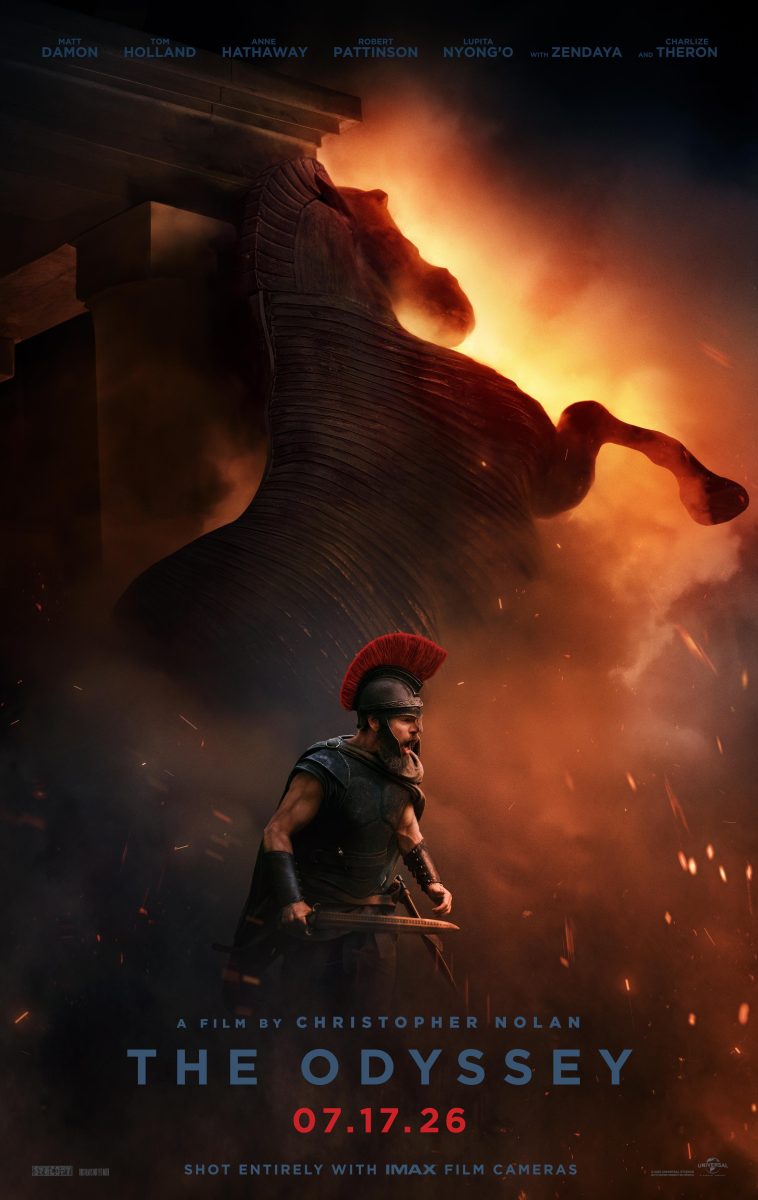
Its literary fame is on par with that of the Iliad, to the point Malaysian filmgoers will be treated to Christopher Nolan’s take on it come July 16.
But as fantastical as some elements of the stories are, is there a speck of truth behind the overall narrative? Surprisingly, yes.
Before that though, a quick recap of the events in the Iliad and then the Odyssey.
The story itself
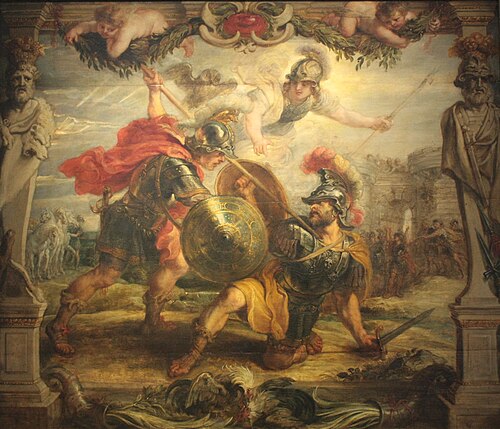
In some tellings of the story, it all began with Eris, the Greek goddess of discord, being angered at not being invited to a wedding like the other gods.
Out of spite, she threw a golden apple into the midst of the divine attendees, with the fruit labelled “To the Most Beautiful”.
Three powerful goddesses, Hera, Athena and Aphrodite, fought over the apple, before Prince Paris of Troy was chosen to make the final decision.
Hera promised him power and control over vast lands, Athena wisdom and strategic knowledge and Aphrodite the hand of the world’s most beautiful mortal, Helen of Troy.
Paris took Aphrodite’s offer and she helped him abscond with Helen, angering her husband King Menelaus of Sparta.
He and other Greek kings and warriors set sail and laid siege to Troy, a city with great walls and warriors of its own.
For 10 years, the walls held while great warriors duelled and spilt one another’s blood outside.
Enter Odysseus
Then, King Odysseus of Ithaca came up with a cunning plan to end the siege in favour of the Greeks.
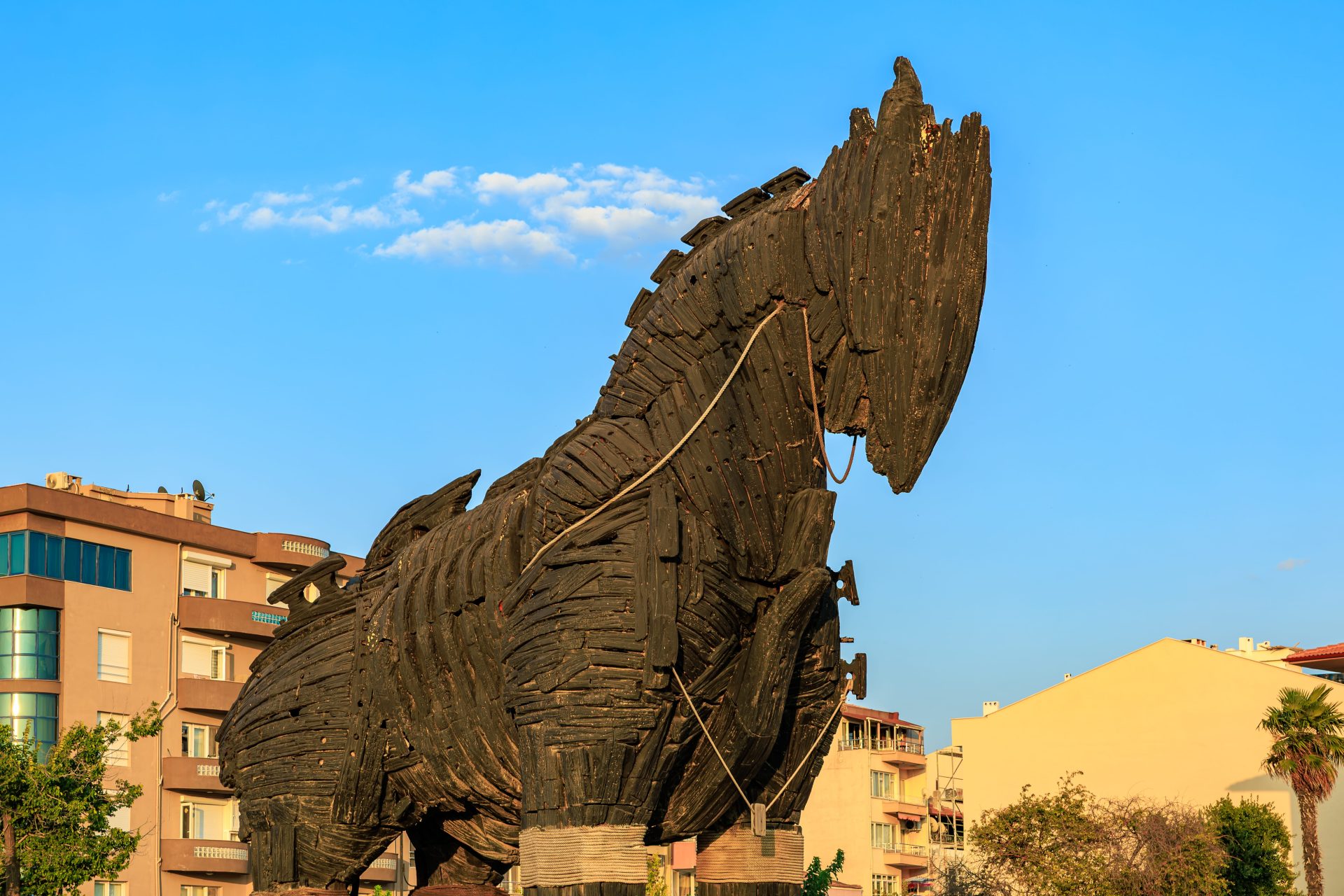
The Trojans one day awoke to find the Greeks gone, with a wooden horse left behind as a gift of sorts.
Celebrating their victory, the Trojans wheeled the horse into the city, not knowing scores of Greek soldiers were hiding within.
When night fell, the Greeks poured out of the horse, opened the city gates and let the rest of the waiting army into the city.
The great city finally fell, looted and left to burn with Helen reclaimed by the Greeks.
The Odyssey picked up immediately after this, following Odysseus as he tried to make his way home to his wife Penelope and his son Telemachus.
Fate continued testing him as he encountered great dangers and monsters, such as the Sirens and a Cyclops, along the way.
It was only with the mercy and blessing of some gods that he finally made it home, after 10 long years, reuniting with his family.
The basic facts
Historians have always wondered just how much of the story is based on reality, with much research having been done surrounding the subject.
As far as we know, there was an actual conflict in the Bronze Age that likely inspired Homer’s telling of its events.
This conflict was recorded by the Hittites, a people whose empire was located in what is modern-day Turkiye.
According to the records, between 1300BC and 1200BC, the city of Wilusa (Troy) engaged in conflict with Ahhiyawa, often identified as the Greek Achaeans.
Interestingly, mentioned in the records is one Alaksandu. The Greek version of this name would be Alexandros, the birth name of Paris of Troy. Coincidence?
Homer is normally believed to have written the Iliad centuries after the historical conflict, so many of the specific details would have been lost to him.
It is likely the Iliad was a fictionalised retelling of a real historical event, just like how Romance of the Three Kingdoms is a novelised version of the real-life period in Chinese history.
The details of what caused the conflict, who was involved, how violent it was and other important details were left to the imagination – Homer just filled in the blanks with the fantastical elements such as gods and heroes.
What about the Odyssey?
Of the figures who participated in the Trojan War, Odysseus is one whose existence has been hard to prove, assuming he was a real person.
For one, Ithaca was not a particularly prominent city-state such as Athens or Sparta, instead being a small rural island.
While there is an island in Greek waters called Ithaka, historians have debated whether this is the one Homer mentioned, or if it was named that after Homer’s Ithaca.
Ruins of a Bronze Age palace on Ithaka have since been found, but that just proves people lived on the island and not that Odysseus existed and was the king there.
The most one could say is that Odysseus was possibly an archetype of fiction, created by Homer, or was actually a combination of many real-life figures, whose stories had melded together by the time Homer came around.
Regardless, whether Odysseus was real, his legacy is very much so, having inspired countless other stories with characters going through hell and back just to get home.
How Troy was discovered
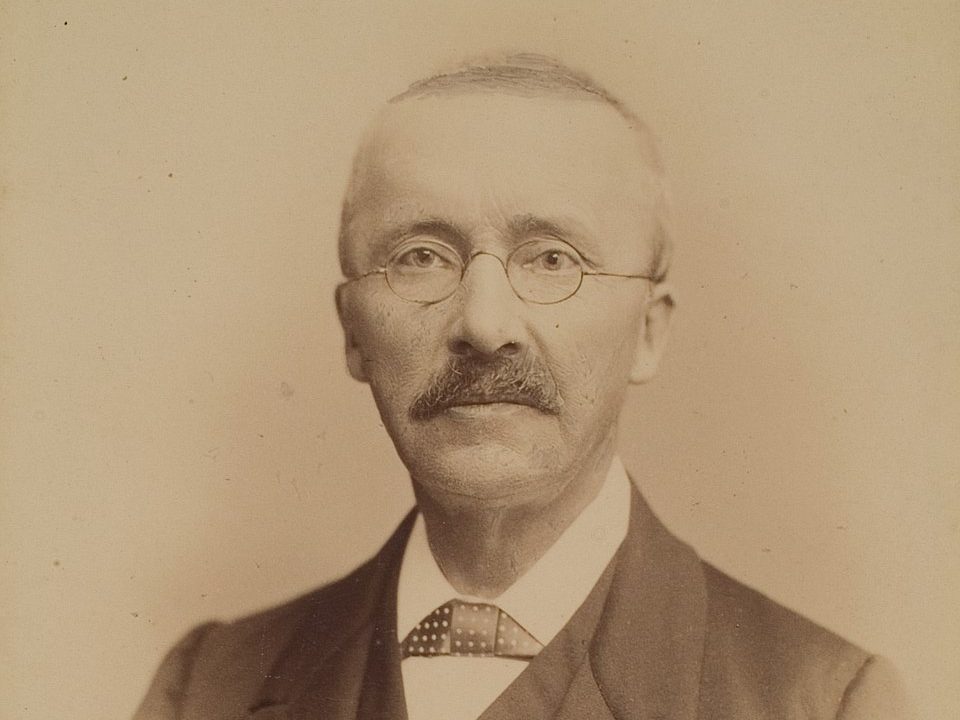
By the time Homer wrote the Iliad, the exact location of the city of Troy was long lost to the Greeks.
They knew it was somewhere in the region of Anatolia, but had no idea where exactly.
This remained the case for centuries afterwards, with some people thinking the entire story had been made up as fiction.
That was, at least, until the world’s worst and luckiest archaeologist Heinrich Schliemann claimed to have found Troy in 1890.
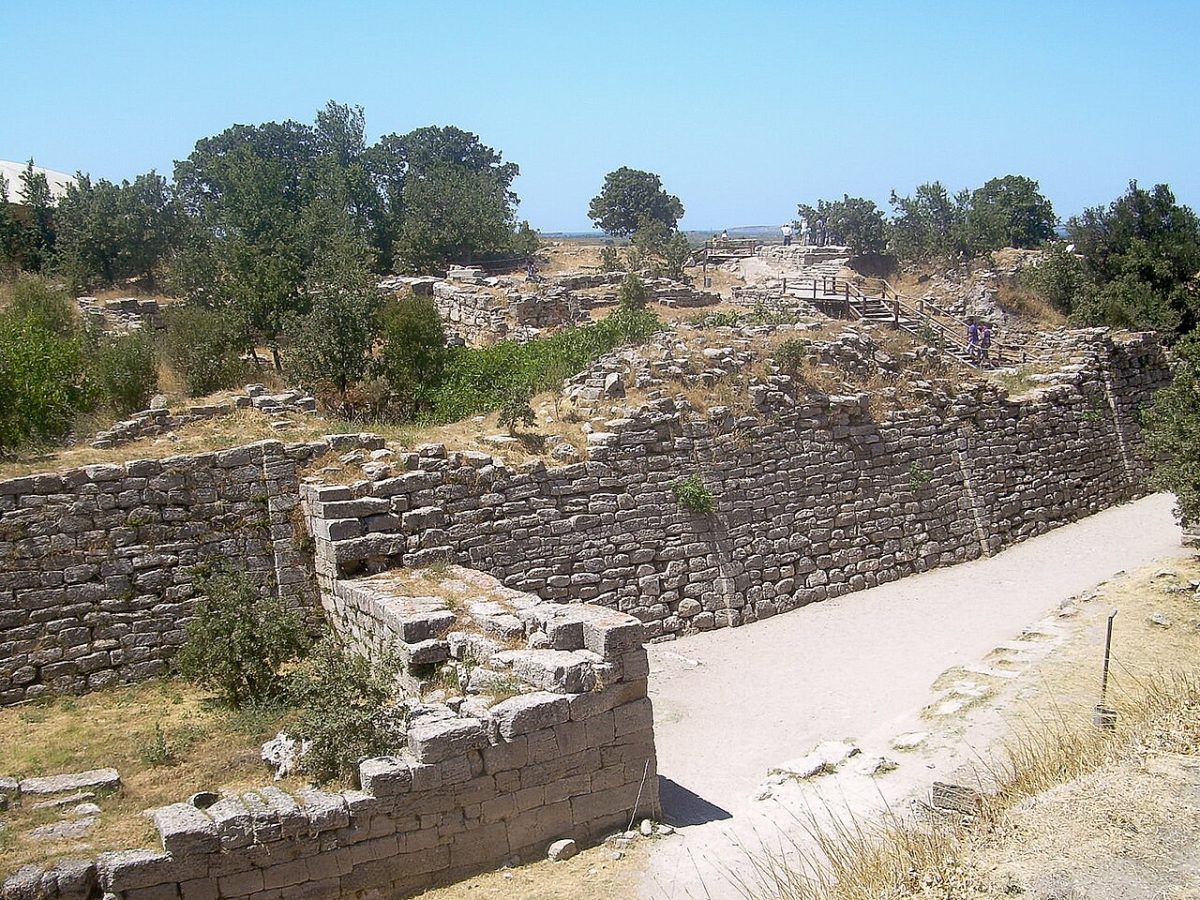
The site he dug at was indeed the location most modern-day researchers think was Troy, but Schliemann was haphazard in his excavation.
Without taking any notes, he simply dug a trench, gave whatever ancient jewellery he found to his wife and then marched off to call himself a great discoverer.
More professional researchers would eventually look at the site and discovered a total of nine cities had been built on the site, with the oldest dating back to 3,000BC.
The sixth layer, or Troy VI, is generally assumed to be the Troy Homer was writing about, dating from 1700 to 1250BC.
Its destruction would have thus coincided with the Bronze Age collapse, a period of upheaval that saw many Mediterranean kingdoms destroyed, with the exception of Egypt.
Of course, this subject has many theories and not many firm facts, so any statement about it must be taken with a pinch of salt.
Homer’s legacy
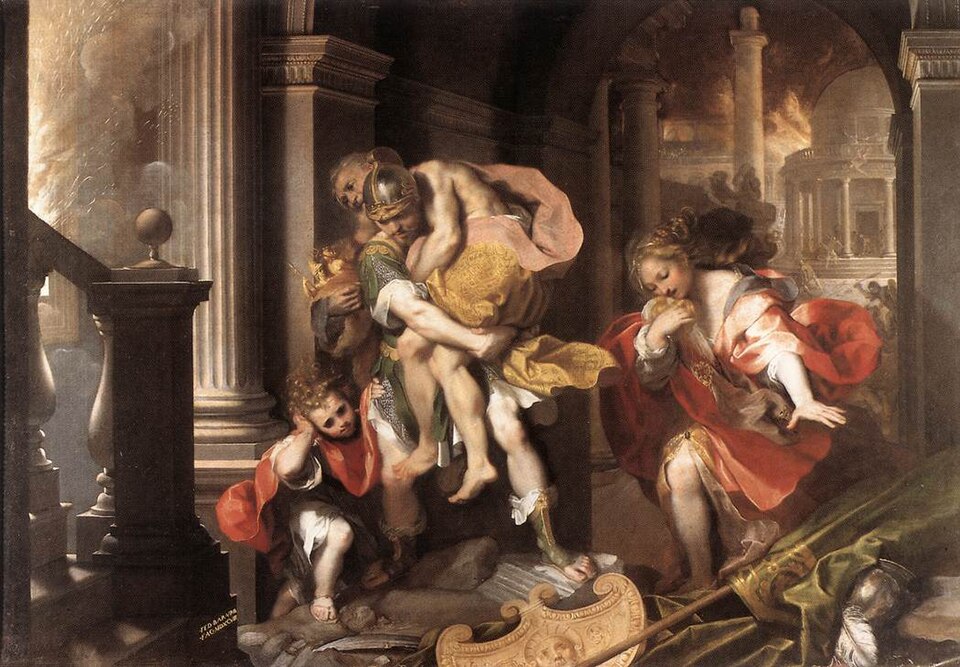
Regardless of how true or false the story of Troy is, its cultural impact is still unmistakable.
Even the Romans, ancient to us now, were inspired and eager to link themselves to the Trojan War, by claiming themselves descendants of Aeneas, a Trojan refugee.
In the English language, phrases such as “Achilles’s heel” and “Trojan horse” are part of the lexicon.
And of course, we still have writers, artists and filmmakers putting their own spin on the subject, just like Homer over 2,000 years ago.
So, when you are seated in the cinema for Nolan’s The Odyssey, spare a thought on how the world you live in might be remembered millennia down the line. How will you?
READ MORE:
How Perak’s busiest railway disappeared from memory
Pass the hat: Why did hats go out of fashion?
8 fascinating places in Bentong



