




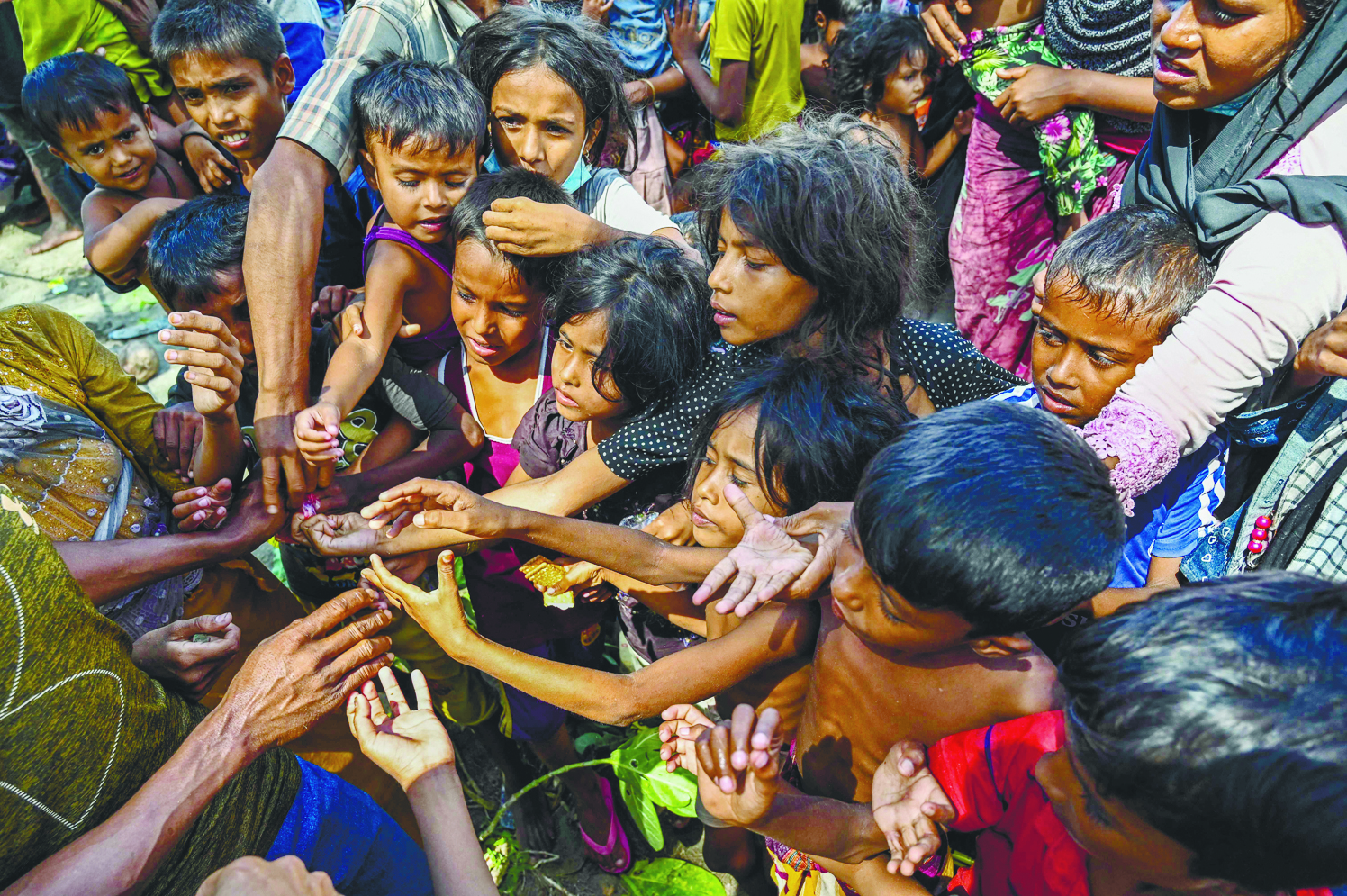
Refugee youth in Malaysia share their hopes, fears and dreams, highlighting the need for empathy, dignity and greater understanding beyond stereotypes.
DO we truly understand how deeply our words can wound people already living with uncertainty, rejection and displacement?
Too often, when refugees enter public conversation, they are met first with suspicion rather than understanding. Their presence is questioned, their intentions are doubted and their belonging is treated as something to be debated.
But perhaps our opinions would change if we looked more closely at refugee youth. Not as a problem to be debated but as young people trying to grow up, make friends, support their families and find a sense of belonging in a country they now call home.
I would like to share some reflections from refugee youth of various backgrounds who have been living in Malaysia for some time. These are not just statistics, policy issues or stories of displacement. They are young people with thoughts, worries, hopes and emotions that are often left unheard.
In Malaysia, many refugee children grow up outside the formal education system. They rely heavily on community-based learning centres run by refugee communities and NGOs.
Their lives are shaped not only by school but also by uncertainty, financial hardship and the everyday struggle to find belonging in a society that too often rejects them, overlooks their humanity or sees them only through fear and suspicion.
Yet, when we listen closely, we realise that many of their concerns are not very different from yours and mine. In a short writing activity in refugee learning centres, we asked refugee youth aged 13 to 18 to open up about what was on their minds.
We asked them one simple question: What bothers you?
Their answers were honest, personal and deeply human. They wrote about family dynamics, friendship dilemmas, personal struggles and their hopes for a more meaningful future. Each story had its own ups and downs.
Some wrote about arguments with friends. Others wrote about feeling misunderstood by their parents. Some expressed sadness, anger, loneliness and confusion – emotions that many young people experience while growing up.
But some of the writings went even deeper. They asked questions about identity and belonging: Who am I? Am I Pakistani, Rohingya or Myanmar? Will I ever find a place to call home? Why am I living through so many troubles at such a young age?
“I am worried about myself because in the future, my life would change – whether it would be good or bad. I hope my life will be better,” said a Rohingya refugee youth.
These are not easy questions for any child or teenager to carry. For many refugee youth, growing up is not only about school, friendships and family. It is also about uncertainty, displacement, poverty and the constant feeling of being in between places.
Yet, their writings were less about pain. Many also wrote about love for their families, dreams for the future, gratitude, ambition and the hope of becoming someone meaningful one day. They wanted to study. They wanted to help their parents. They wanted to be seen as more than just “refugees”.
We often forget that while refugee youth experience suffering, it is not their entire identity. They are also children and teenagers with humour, talent, imagination and dreams.
Listening to refugee youth goes beyond an act of kindness. It is a reminder that public conversations about refugees should be guided by empathy, dignity and the recognition that these are young people who are growing up in Malaysia too.
When we listen to them, we begin to look beyond labels. We stop seeing only “refugees” and start recognising young people trying to make sense of their lives under difficult circumstances.
Perhaps the first step is simple: listen.
Listen, not to respond with judgement but to understand. Listen not with pity but with empathy. Listen because behind every label is a young person with fears, hopes and aspirations of their own.
Before we ask why they are here, whether they belong or what they might take from us, perhaps we should ask what hopes they carry, what futures they imagine and what we might learn if we finally listened.
Jeron Joseph
Postdoctoral Scholar
Asean Research Centre
Asia School of Business



