




The ministry said subsidy spending had moderated to around RM4 billion a month in May and June, after rising to about RM5 billion a month in March and April.
PETALING JAYA: The government expects to spend nearly RM40 billion on petroleum product subsidies in 2026 if current market prices remain unchanged, the Finance Ministry (MOF) said.
In a written parliamentary reply, the ministry said subsidy spending had moderated to around RM4 billion a month in May and June, after rising to about RM5 billion a month in March and April.
“Subsidy spending for RON95 petrol and diesel stood at nearly RM800 million a month in January and February 2026, before increasing due to rising global oil prices.
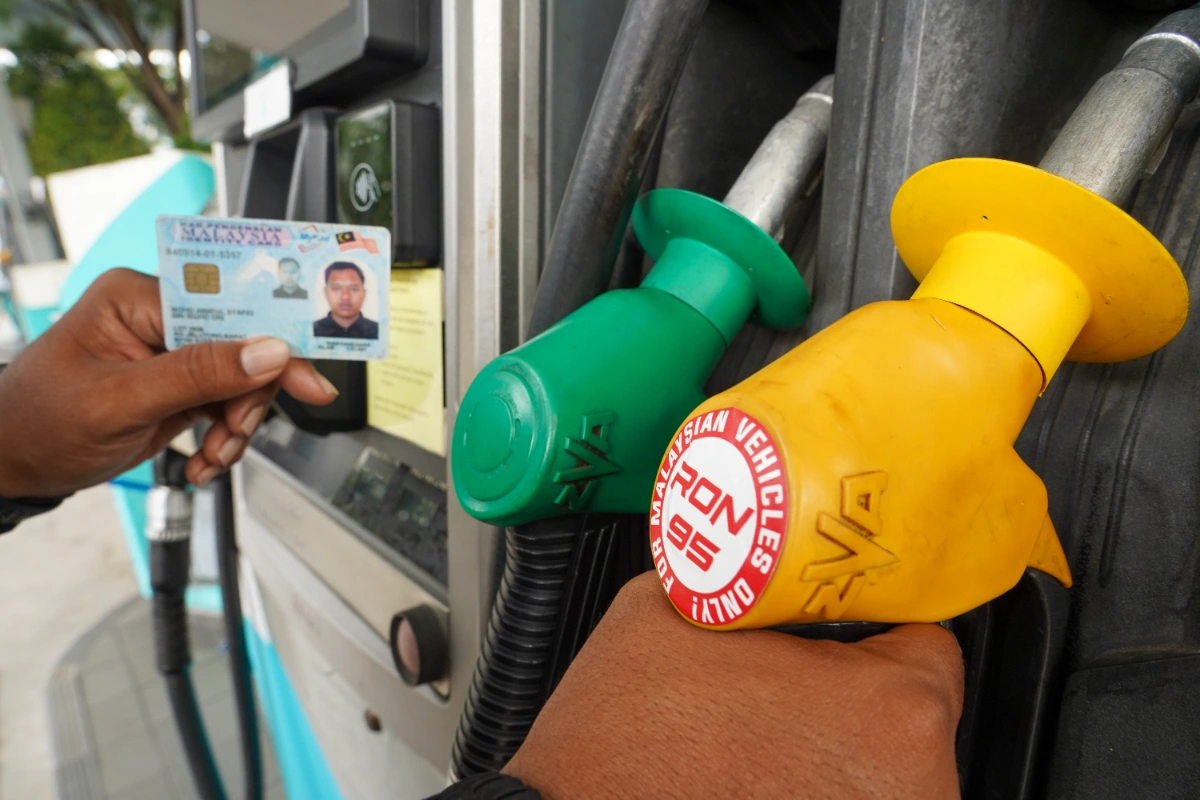
“The increase in subsidy allocation enables Malaysian citizens aged 16 and above to enjoy RON95 petrol at a subsidised price of RM1.99 per litre,” it said.
The ministry was responding to Datuk Seri Amirudin Shari (PH-Gombak), who asked about the government’s expenditure on Budi95 and other subsidies introduced to ease the burden on the people since February 2026, as well as its plans under Budget 2027 to ensure continued assistance for those in need.
MOF added that subsidised diesel at RM1.65 per litre remained available for fishermen, while Budi Agri-Komoditi cash assistance was temporarily increased from RM200 to RM400 a month to benefit more than 210,000 farmers and smallholders in Peninsular Malaysia.
“The interim rate will be reviewed monthly based on developments in global oil prices, the government’s fiscal position and the needs of the target groups,” it said.
MOF said the government had also expanded the Subsidised Diesel Control System (SKDS) diesel subsidy scheme to eligible logistics and goods transport operators in Sabah and Sarawak, allowing commercial vehicles to purchase diesel at RM2.15 per litre.
It added that measures to strengthen food security included increasing the Paddy Farmers’ Ploughing Incentive (IPKP) from RM160 to RM300 per hectare for the 2026 planting season and introducing a RM50-per-hectare harvesting incentive.
The ministry said the key priorities under Budget 2027 include strengthening social protection and targeted assistance, continuing gradual and targeted subsidy reforms, increasing income and social mobility, strengthening essential services, enhancing fiscal sustainability, and accelerating digitalisation, artificial intelligence (AI) adoption, and integrated data utilisation.
“Budget 2027 will continue to strike a balance between economic growth, fiscal sustainability and the welfare of the people so that government assistance can be delivered sustainably and more effectively to those in need.”



