




A Gen Z worker resigned after management ignored productivity data to enforce office attendance, causing debate on outdated policies.
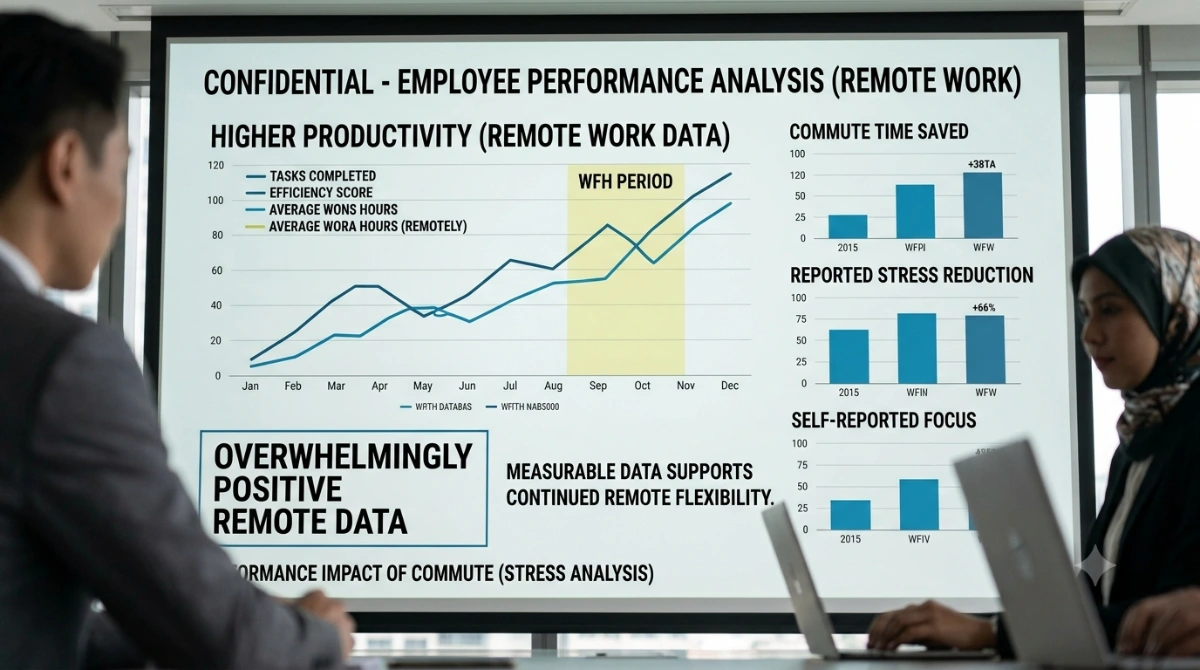
A GEN Z employee resigned after being denied remote work despite providing performance data showing higher productivity while working from home, highlighting a growing disconnect between workplace policies and measurable results.
A Threads user shared the situation as an example of growing frustration among workers over traditional workplace policies that prioritise physical presence over demonstrated performance.
The original post detailed how the employee had requested two work-from-home days a week due to mental health strain linked to commuting, while supporting the request with performance data showing stronger results when working remotely.
However, management rejected the request, citing in-person collaboration and team connection as essential values that could not be compromised.
The employee reportedly responded calmly but firmly, stopped attending the office, returned company equipment along with a resignation note, and left the organisation.
The user who shared the story later argued that some corporate cultures risk appearing disconnected when workplace messaging does not align with actual practices.
The post attracted strong reactions from other users, many of whom shared similar views.
One netizen said cancelling remote work arrangements only for employees to attend virtual meetings from office cubicles reflected questionable management decisions.
Another user argued that the shift to remote work during the pandemic had challenged assumptions about the necessity of office-based work, pointing out that many employees had maintained strong performance while working from home for years.
A separate commenter suggested that some demands for employees to return to the office could be influenced by concerns over commercial property investments rather than genuine operational requirements.
An HR professional offered a different perspective, acknowledging that remote workers were often productive and engaged but explaining that human resources teams were responsible for implementing company policies set by senior management, even when they personally disagreed with them. The professional added that they were also updating their own CV.
The responses highlighted the ongoing tension between traditional workplace structures and changing employee expectations.
When organisations require physical attendance without clearly demonstrating the value it brings beyond established practices, they risk losing employees who can measure and communicate their own contributions.
The resignation also prompted some team members to reconsider their own positions, with several reportedly updating their CVs following the departure.



