




Table of Contents
Behind fast fashion’s low prices, quick trends
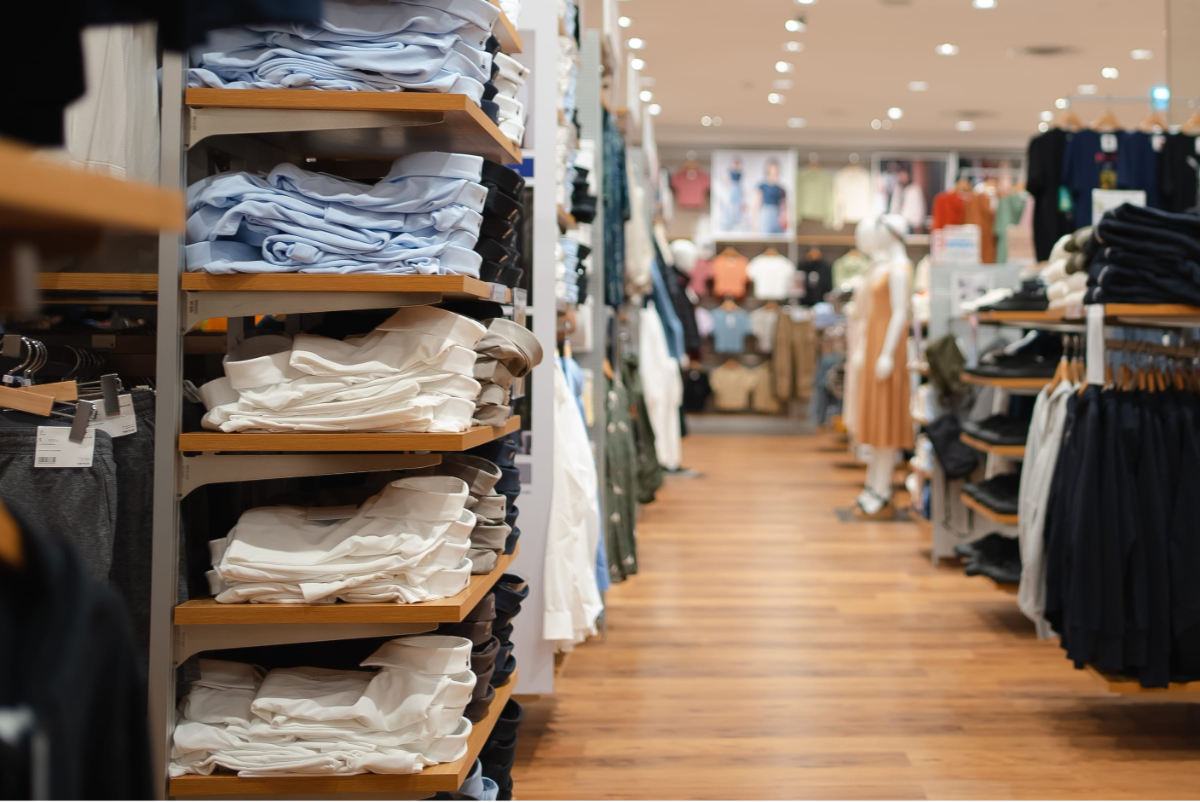
FAST fashion has given clothing the attention span of a TikTok trend. New collections arrive before old ones have even left the laundry basket, prices stay low and shoppers are encouraged to treat garments as quick fixes rather than long-term buys.
The system is not accidental. A study in The International Review of Retail, Distribution and Consumer Research explains how fashion retail moved away from slower seasonal collections towards rapid product refreshes, shorter clothing lifecycles and “throwaway” fashion.
Cheap thrills, costly mess
The appeal is obvious. Fast fashion makes style feel democratic. A student, office worker or teenager can experiment with looks without spending luxury-brand money. The problem begins when affordability turns into overbuying.
A cheap shirt does not look like an environmental event. Multiply it by millions of carts, weekly drops and global shipping routes, and it becomes one. Fast fashion depends on volume. Brands do not need every item to last because the business model is built around the next item.
Thirsty clothing
Before clothes reach stores, they pass through a long industrial chain of fibre production, dyeing, finishing, cutting, sewing and transport. Cotton can be thirsty. Dyeing can be dirty. Polyester comes from fossil fuels and can shed microplastics during washing.
A 2022 review in Current Opinion in Green and Sustainable Chemistry notes that global textile manufacturing and consumption have nearly doubled in the past two decades. It also states that fashion uses about 79 billion cubic metres of water a year, generates 1.7 billion tonnes of carbon dioxide and produces 92 million tonnes of textile waste annually.
Landfill wardrobe
Fast fashion’s most powerful trick is making clothes feel temporary. Once a garment pills, stretches, fades or loses its trend value, it becomes clutter. Donation bins may look like an easy exit, but the second-hand market cannot magically absorb endless piles of low-quality clothing.
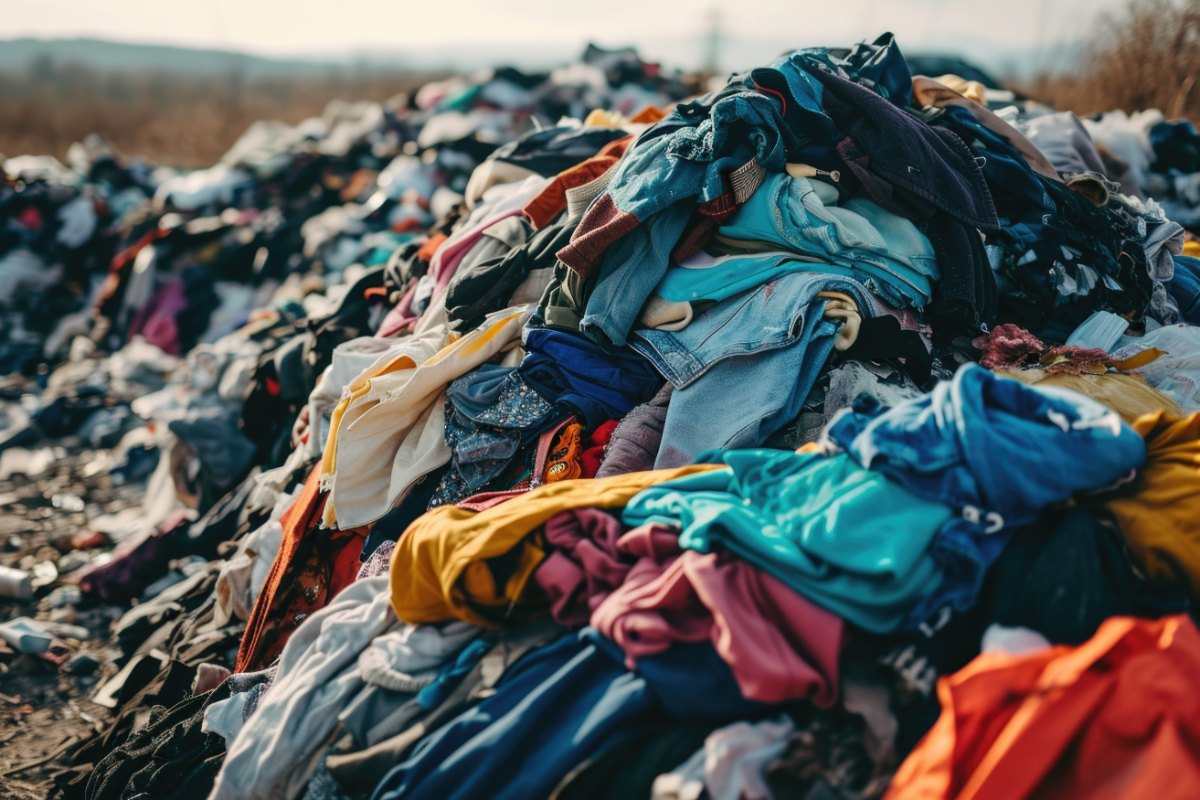
A 2024 literature review in Sustainability: Science, Practice and Policy describes fast fashion as a linear system of production, use and disposal. It links the industry to greenhouse gas emissions, water pollution, microfibre release and mounting textile waste.
Recycling is also harder than marketing suggests. Many garments mix fibres, dyes, zips, buttons and synthetic finishes. Turning them back into useful material is rarely as simple as tossing them into a green bin and hoping for redemption.
People behind price tag
Cheap clothing is often made through long supply chains where pressure travels downwards. Brands want speed. Factories chase deadlines. Workers absorb the strain through low wages, long hours and unsafe conditions.
The 2013 Rana Plaza collapse in Bangladesh remains the industry’s darkest warning sign. It exposed the brutal reality behind cheap clothes and showed how distant a glossy storefront can be from the factory floor.
What clothes carry
The impact is not only environmental. Some risks sit directly on the skin. A 2025 study co-authored by Yale University researchers highlights hazardous substances in textiles, including heavy-metal dyes, antimicrobial agents, synthetic fibres and chemicals linked to skin conditions, hormonal disruption and possible carcinogenic risks.
Slower, smarter style
The solution is not to shame people for buying affordable clothes. The issue is the churn. Fewer purchases, better-quality basics, repairs, swaps, thrift shopping and repeated wear can all reduce the damage.
Brands, meanwhile, need clearer supply chains, better worker protections and garments designed for repair, reuse and recycling.
Fast fashion made clothing feel cheap, fun and endlessly new. Its real bill is paid in water, waste, labour and health.
READ MORE:
Rise of thrift culture in Malaysia
Pass the hat: Why did hats go out of fashion?
What your AI prompts are costing the planet



