





How KLIA’s Butterfly Effect is changing the travel experience for passengers with autism
AMID the sounds of constant movement, rolling luggage cases, trolley wheels, hurried footsteps and boarding announcements at the KL International Airport (KLIA), there is a small space designed for those who need the world to slow down.
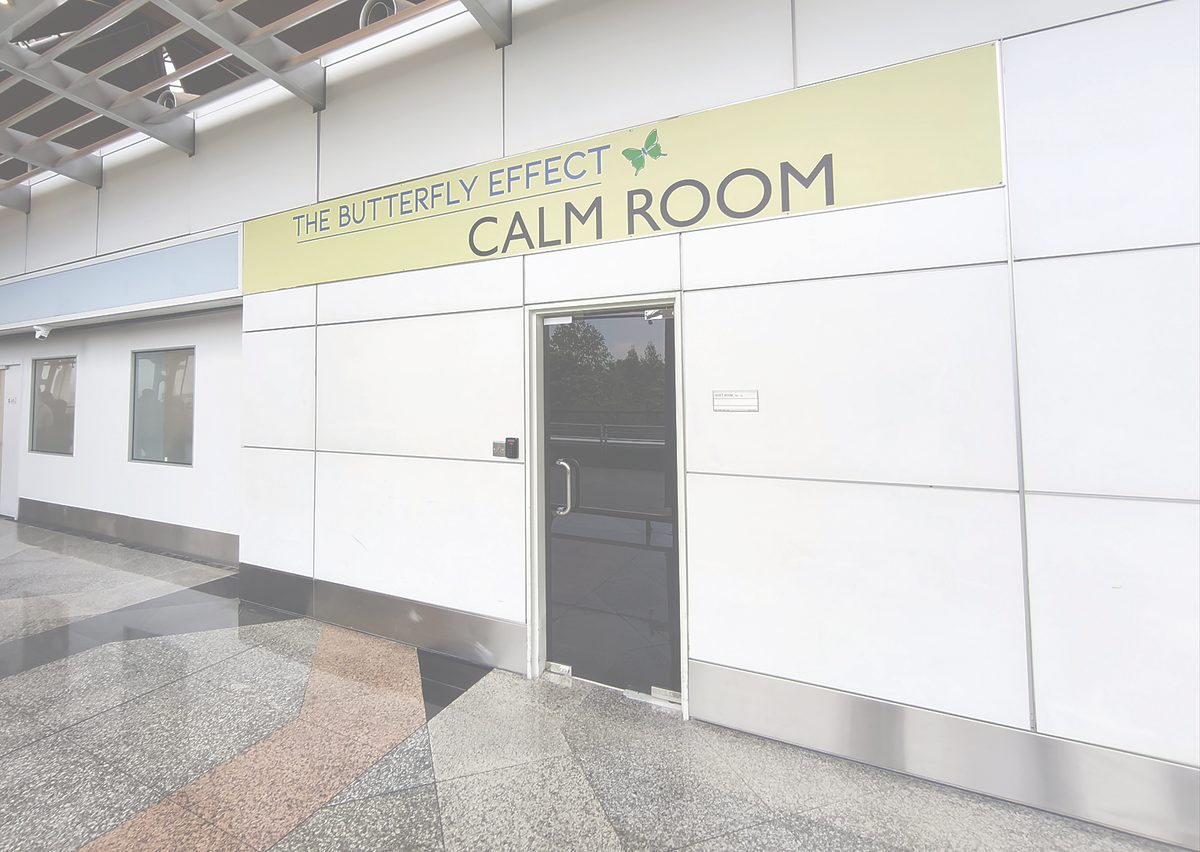
Tucked away from the bustle of the terminal is the KLIA Calm Room, a quiet sanctuary for passengers who may become overwhelmed by the sights, sounds and unpredictability of air travel.
READ MORE: Hippotherapy: Autism therapy on horseback
READ MORE: Autism PwD registrations surge eightfold since 2015
For some passengers, what makes the journey easier is not the room itself.
It is the person waiting for them.
For Airport Care Ambassador Muhammad Azhad Che Osman, one such passenger is Beatrice, a regular traveller with autism who travels independently after being diagnosed as an adult.
Over time, she has developed a strong sense of trust in Azhad, often looking for him when she arrives and preferring him to accompany her.
Their relationship shows that supporting passengers with hidden disabilities goes beyond providing a quiet space. It requires patience, familiarity and an understanding that seemingly small details can have a significant impact.
Azhad recounted one occasion when the airport changed the colour of its uniforms. Beatrice, accustomed to seeing him in blue, became distressed when she could no longer find the familiar colour she associated with him.
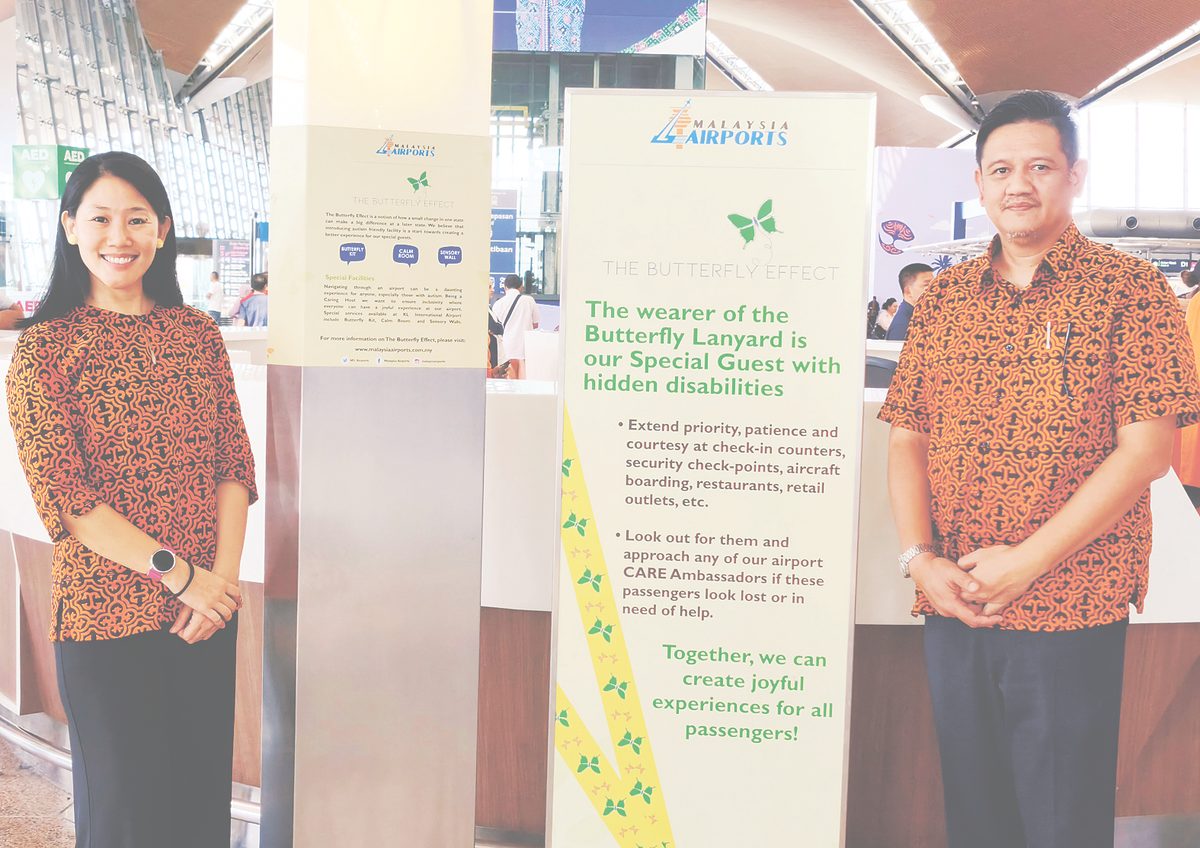
The experience reminded him that even ordinary things, a uniform colour, a perfume scent or an unfamiliar face, can become overwhelming.
Over time, Azhad learnt how to communicate with Beatrice in a way that puts her at ease. They talk about travelling and K-pop, and she sometimes shares details of her next trip with him.
For the airport team, these small moments of familiarity are at the heart of what makes the “Butterfly Effect” service work.
Among those who have witnessed that journey up close is KLIA Customer Experience Management Operations manager Rosmawati Mohamad Saufi, known to many at KLIA as Puan Ros.
She has spent almost 30 years at Malaysia Airports, giving her a rare perspective on how the airport and the needs of its passengers have changed over the decades.
She has also been part of the Butterfly Effect journey since its early days.
What began as an initiative to support passengers with autism and hidden disabilities has grown into a service built on familiarity, trust and routine.
Today, some passengers recognise Puan Ros as she recognises them. Some know which ambassador they prefer, while others have routines or preferences the team has learnt to understand.
For Puan Ros and her colleagues, that familiarity is part of the service, turning assistance into something more personal, and passengers are not simply guided through the airport, but recognised as individuals.
A small idea born during Covid-19 pandemic
The Butterfly Effect was introduced in 2020 as Malaysia Airports sought to better support passengers with autism and other hidden disabilities, for whom noise, crowds, unfamiliar surroundings and changes in routine can be overwhelming.
It was soft-launched during the Covid-19 period before being officially opened to the public in April 2021, in conjunction with World Autism Awareness Day.
Since then, it has grown into a wider support system involving airport staff and other agencies across the passenger journey.
Passengers can register through the Butterfly Effect website before travelling, or approach the airport information counter staff for assistance.
Once registered, they receive a Butterfly Effect lanyard and sensory kit containing items such as stickers, toys and sensory tools.
The lanyard is more than an identifier. It acts as a quiet signal to the wider airport community that the person wearing it may need additional patience, understanding or assistance.
The initiative takes its name from the butterfly effect, the principle that a small action can have a much larger impact.
While some airports internationally use the sunflower symbol to identify hidden disabilities, Malaysia Airports chose to retain its own Butterfly Effect identity, reflecting the philosophy behind its service.
Sometimes, the journey matters more than the destination
The Calm Room may be the most visible part of the initiative, but airport officials say many passengers need something even simpler – someone to guide them through the airport.
A dedicated Airport Care Ambassador can accompany registered passengers from the information counter through check-in, priority lanes, security and immigration, all the way to the boarding gate.
For families, having a familiar person beside them can ease the uncertainty of navigating crowds, queues, announcements and multiple security checks.
The service is also not limited to children. Adults with autism, including those who travel alone, are among its regular users, with Beatrice being one example.
Her experience reflects a broader understanding of hidden disabilities, conditions that affect people throughout their lives, not just during childhood.
Since its introduction, Malaysia Airports said the service has assisted more than 10,000 passengers, with some returning regularly.
A room to reset
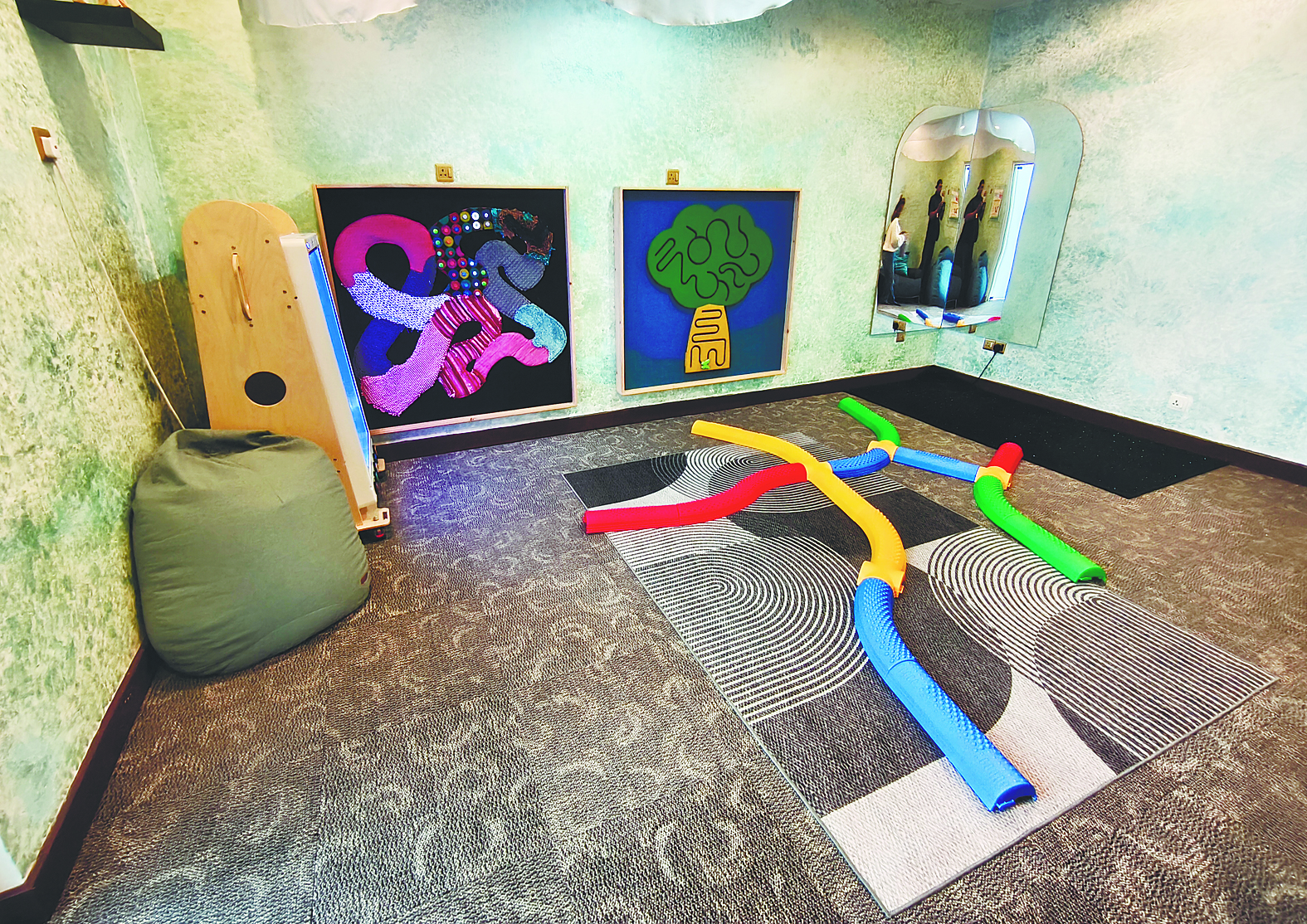
For those who need a place to retreat, the Calm Room offers a quiet space to pause and reset.
The room is softly furnished, with mats and a range of toys and sensory items designed to help passengers regulate and feel comfortable. Malaysia Airports also sought advice from the National Autism Society of Malaysia on the types of facilities and items that would be appropriate before setting up the space.
Removed from the intensity of the terminal, passengers can sit, use the sensory facilities and take the time they need before continuing their journey.
The room is now available at both KLIA terminals, with Malaysia Airports continuing to improve the facilities based on passenger needs.
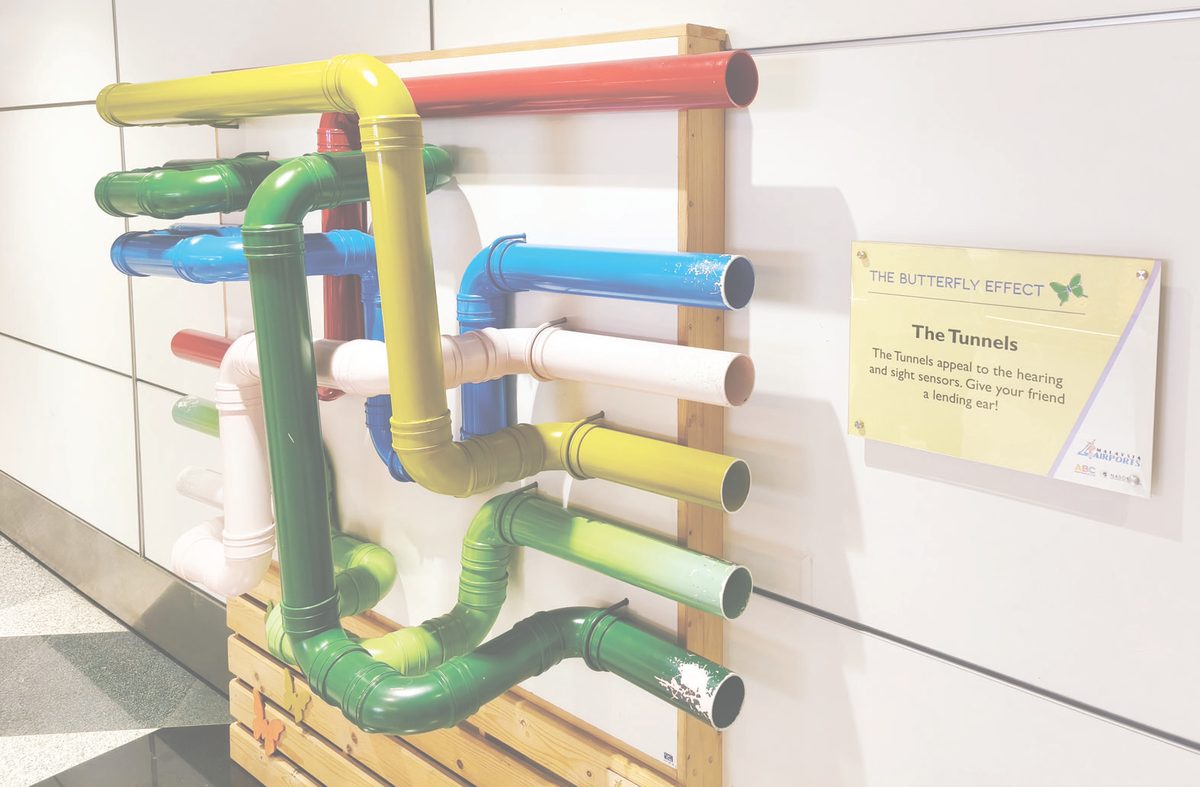
Other sensory spaces have also been introduced, including sensory walls and facilities near the baggage collection area where children can stay occupied while their families wait to collect their luggage.
The approach recognises that support cannot be one-size-fits-all.
Some passengers need a quiet room, others need someone to guide them through immigration, more time to process instructions or simply a familiar face when everything around them feels unfamiliar.
The people behind the Butterfly Effect service
Making all this work in one of the region’s busiest airports requires more than facilities.
Malaysia Airports has trained its staff and worked with airlines, ground handlers, Immigration and Customs personnel to build awareness across the airport ecosystem.
Initial training began when the service was introduced in 2020, with refresher training carried out in subsequent years.
Selected staff have also pursued additional certification and specialised training in autism and behavioural support.
The idea is simple, the responsibility should not fall on one Airport Care Ambassador alone.
A passenger’s journey begins long before they reach the gate and involves numerous people along the way.
The wider airport community therefore needs to recognise the Butterfly Effect lanyard and understand why the passenger may require additional support.
For the ambassadors, the work also demands a particular kind of temperament.
They have to remain patient when passengers are distressed, stay composed in crowded environments and understand that a reaction that may appear unusual to others could be a response to sensory overload or anxiety.
Behind the calm exterior of the airport’s customer-facing staff is also a recognition that difficult encounters can affect employees themselves.
Malaysia Airports provides support and counselling when staff go through particularly challenging experiences, reflecting the importance of looking after the people providing care as well.
Taking the idea beyond KLIA
Malaysia Airports is also exploring similar facilities at other airports, with Langkawi among the locations being considered. Passenger data will help identify where demand is growing and where the service could have the greatest impact.
The aim is to make support for hidden disabilities a more natural part of the travel experience, rather than something passengers have to navigate alone.
For now, that vision is reflected in the small moments at KLIA – a child finding a space to move, a parent being guided through a crowded terminal, or an adult traveller finding a familiar face.
And somewhere amid the noise, there is a quiet room, a closed door and a few minutes to breathe.
Sometimes, that is all a traveller needs.



