




KUALA LUMPUR: Malaysia has the potential to emerge as a leading cruise homeport in Southeast Asia as the regional cruise industry enters a more competitive phase, with Visit Malaysia 2026 providing a timely opportunity to strengthen the country’s position on the global tourism map.
Unlike transit calls, homeport operations generate wider economic benefits as passengers typically arrive before departure or extend their stay after completing their voyages. This creates additional spending opportunities across hotels, airlines, restaurants, retail outlets, transport services and local attractions, while supporting the broader tourism ecosystem.
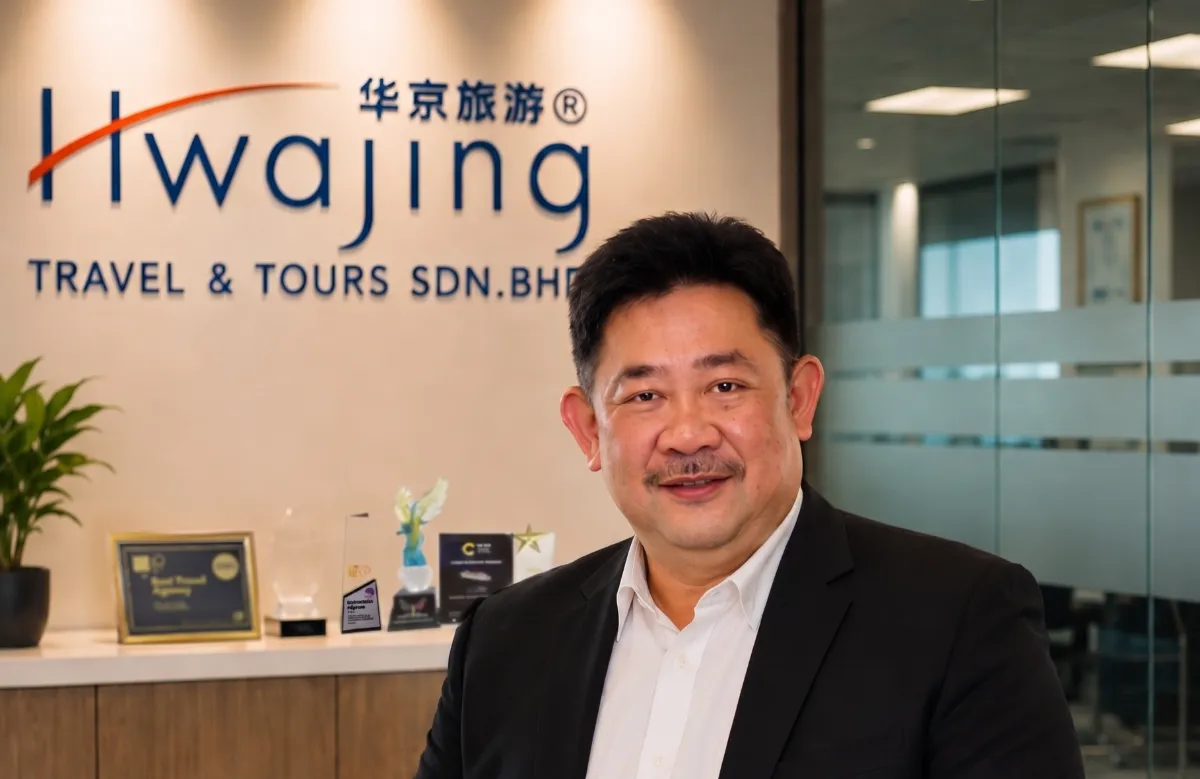
Hwajing Travel and Tours managing director Kenny Cheong said cruise operations could become a significant contributor to Malaysia’s tourism growth by attracting higher-value international travellers, encouraging longer stays and generating economic benefits across multiple sectors.
However, he said that developing Malaysia into a regional cruise hub would require continued collaboration among the government, port authorities, tourism agencies and industry players.
“This includes strengthening international destination marketing, upgrading cruise terminal facilities and passenger experience, improving connectivity between airports, ports and tourism attractions, as well as supporting the development of year-round homeport operations.
“At Hwajing Travel, we remain committed to working with all stakeholders to attract more international cruise deployments and help position Malaysia as one of Southeast Asia’s leading cruise homeports in the years ahead,” he told SunBiz.
Cheong said the impact of cruise tourism extends beyond the terminal, as homeport passengers contribute to various segments of the tour industry’s value chain.
“We expect positive spillover effects for tour operators, retail businesses, logistics providers and tourism-related SMEs throughout Selangor and neighbouring states.
“By encouraging visitors to extend their stay and explore more destinations in Malaysia, cruise tourism can contribute meaningfully to local economic development and employment opportunities.”
Cheong said bringing three consecutive international cruise charter programmes to Port Klang marks an important milestone for Hwajing Travel and reflects the company’s long-term commitment to developing Malaysia’s cruise industry.
“Our ambition extends beyond operating individual charter programmes. We aim to help establish Malaysia as one of Southeast Asia’s preferred homeport destinations by working closely with international cruise lines, government agencies, port authorities and tourism partners.
“Over the next three to five years, we hope to facilitate around 20 to 30 cruise deployments annually, subject to market demand and industry partnerships.
“Our focus is on creating sustainable growth by attracting more international cruise operators, expanding source markets and increasing cruise passenger arrivals that contribute to Malaysia’s tourism economy,” he added.
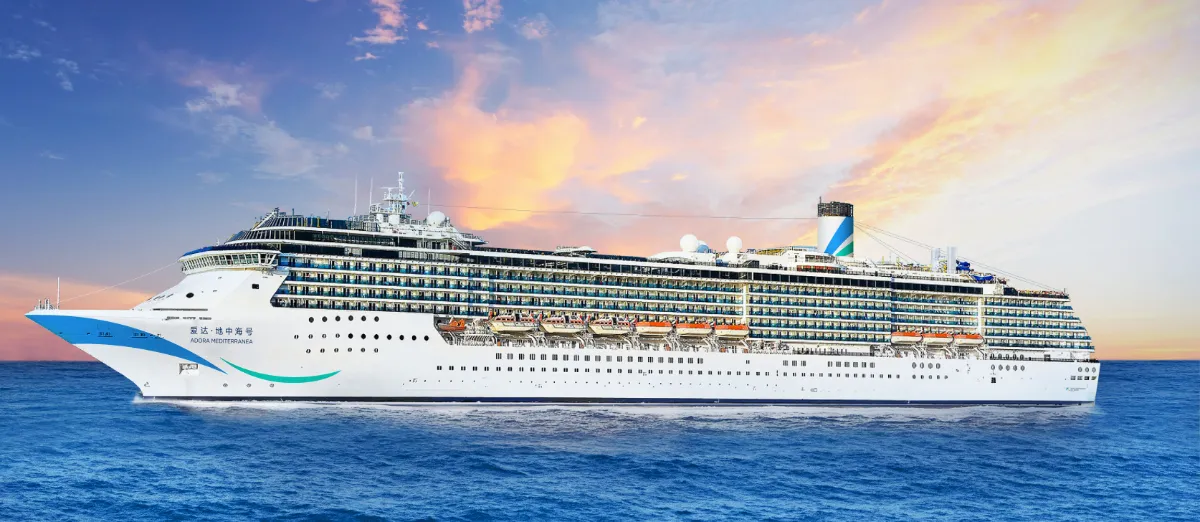
This year, Hwajing Travel will bring the Adora Mediterranea to Malaysian waters, marking Adora Cruises’ first overseas homeport operation.
Cheong said the deployment reflects growing confidence in Malaysia’s cruise potential and tourism infrastructure.
“We are honoured that Malaysia has been selected for Adora Cruises’ first overseas homeport deployment. This demonstrates confidence in Malaysia’s market potential and tourism infrastructure.
“Should the inaugural season achieve the desired commercial and operational outcomes, we are optimistic about discussing longer-term cooperation with Adora Cruises.
“This could include extending future homeport seasons, increasing sailing frequency or exploring opportunities for additional vessels. However, any future deployment will depend on passenger demand, operational performance and mutual strategic objectives.”
On positioning Port Klang against established regional cruise hubs such as Singapore and Thailand, Cheong said Malaysia should focus on building a complementary proposition rather than competing directly with existing hubs.
He said Port Klang benefits from strong air connectivity through Kuala Lumpur International Airport, competitive operating costs, established tourism infrastructure and convenient access to diverse regional destinations.
Malaysia’s multicultural environment, heritage attractions, shopping experiences, natural landscapes and Muslim-friendly tourism ecosystem also provide a distinct advantage, he added.
“Our strategy is to position Port Klang as an accessible and value-driven homeport that appeals to both regional travellers and international fly-cruise passengers, while continuing to work with stakeholders to enhance the overall cruise experience,” Cheong said.
Adora Mediterranea’s current itineraries focus on short regional sailings, which Cheong said are well suited for first-time cruisers, families and holidaymakers seeking convenient short breaks. These voyages also serve as an effective platform to introduce cruise holidays to a wider Malaysian market.
“As the market continues to mature and passenger demand evolves, we see opportunities to explore longer itineraries and expand to additional regional destinations.
“Future possibilities may include multicountry cruises across Southeast Asia or more immersive voyage experiences, subject to market demand, operational feasibility and collaboration with cruise operators and regional port authorities.
“Our priority is to develop cruise offerings that deliver memorable guest experiences while supporting sustainable long-term growth for Malaysia’s cruise industry,” Cheong said.
He highlighted the growing potential of Muslim-friendly cruise offerings, noting that Malaysia’s reputation as a leading Muslim-friendly tourism destination provides a strong foundation for attracting this market segment.
“We believe there is significant growth potential among Muslim travellers seeking cruise holidays that offer greater convenience and confidence through halal dining options, family-friendly facilities and culturally inclusive services.
“Malaysia has all the right fundamentals to become a leading halal-friendly cruise destination in the region.
“By working closely with cruise operators, tourism authorities and industry partners, we can further enhance Muslim-friendly cruise experiences while showcasing Malaysia’s hospitality, cultural diversity and tourism strengths to international travellers,” Cheong said.



