




PETALING JAYA: Kossan Rubber Industries Bhd’s net profit for the fourth quarter ended Dec 31, 2025 (Q4 FY25) increased 68.5% to RM46.67 million from RM27.70 million in the corresponding quarter last year.
Profit before taxation (PBT) for Q4 FY25 was RM44.4 million compared with RM38.7 million in Q4 FY24.
However, revenue for the quarter decreased 15.14% to RM439.48 million from RM517.89 million posted in Q4 FY24.
According to a Bursa Malaysia filing, the group’s gloves division’s revenue declined by 16.47% to RM367.7 million in Q4 FY25, compared to RM440.2 million in Q4 FY24, mainly due to the strengthening of the ringgit against the US dollar and deferment of shipments to January 2026, amounting to RM35.6 million due to port congestion.
However, PBT increased to RM37.7 million in Q4 FY25 from RM25.5 million in Q4 FY24, mainly due to lower production costs arising from improved production efficiencies.
Further, the filing noted that Kossan Rubber’s technical rubber products (TRP) division’s revenue increased by 8.76% to RM45.1 million in Q4 FY25 as compared to RM41.4 million in Q4 FY24.
PBT decreased by 38.75% to RM3.7 million in Q4 FY25 as compared with RM6.10 million in Q4 FY24, mainly due to sales of lower-margin products.
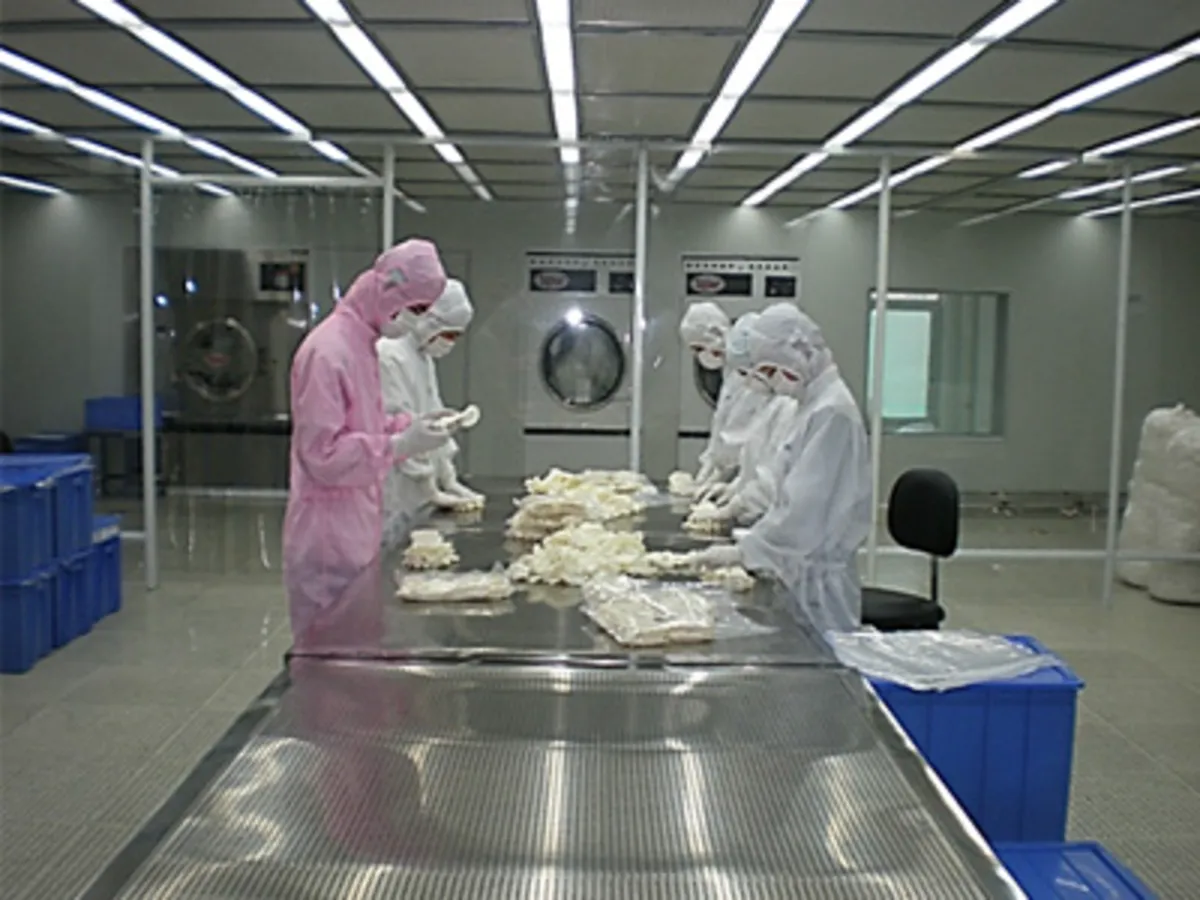
The cleanroom division’s revenue decreased by 26.32% to RM26.7 million in Q4 FY25 compared with RM36.3 million in Q4 FY24. PBT decreased by 38.63% to RM2.6 million in Q4 FY25 compared with RM4.3 million in Q4 FY24, mainly due to lower revenue.
For FY25, the group recorded revenue of RM1.75 billion, a 8.78% decrease from RM1.92 billion in FY24.
PBT for FY25 was RM175.1 million as compared to RM157.3 million for FY24.
The gloves division recorded revenue of RM1.46 billion in FY25, a 8.89% decline from FY24. This was primarily attributed to the sudden 10-day production halt in April, following a gas supply shut-off by Gas Malaysia due to a pipeline explosion in Putra Heights, and to the strengthening of the ringgit against the US dollar.
PBT for FY25 increased by 36.66% to RM142.3 million, compared with RM104.1 million in FY24, which was mainly due to lower production costs arising from improved production efficiencies.
The TRP division’s revenue decreased by 6.81% to RM187.8 million in FY25 as compared with RM201.6 million in FY24, mainly due to the sudden 10-day stop in production in April following a gas supply shut-off by Gas Malaysia, lower deliveries and the strengthening of the ringgit against the US dollar.
PBT decreased by 46.24% to RM16.2 million from RM30.2 million in FY24, due to lower revenue, higher production costs from the abrupt production disruption incident, and a lower-margin product mix.
The cleanroom division’s revenue decreased by 10.70% to RM102.2 million in FY25, compared with RM114.5 million in FY24.
PBT recorded at RM12.4 million in FY25, compared with RM11.1 million in FY24, was mainly due to lower production costs.
In the exchange filing, Kossan Rubber stated that the glove industry continues to operate under conditions of global oversupply, with excess capacity and intensified competition from Chinese manufacturers redirecting exports to non-US markets, placing continued pressure on prices and margins.
Against this backdrop, the group continues to advance its transformation programme, focusing on automation, digital solutions and cost optimisation to enhance operational efficiency and strengthen cost management.
The recent strengthening of the ringgit against the US dollar may have a short-term impact on revenue, but the group’s established foreign exchange hedging mechanisms and prudent financial management help mitigate this effect.
Kossan Rubber also noted that the TRP division is expected to operate in a challenging environment in 2026 amid continued market uncertainties and cost pressures.
The group noted that the infrastructure sector is anticipated to record a modest recovery compared with 2025, while the automotive sector is expected to face ongoing margin pressure, primarily due to the strengthening of the ringgit against the US dollar.
Against this backdrop, the group will closely monitor market conditions and industry developments while leveraging the division’s operational flexibility to maintain stable operations, enhance efficiency, and ensure the effective execution of ongoing projects.
For the cleanroom division, the group anticipates this division will operate under stable conditions in FY26, the filing noted.



