




KUALA LUMPUR: Russia’s commitment to ensuring a continuous supply of energy and crude oil to Malaysia is seen as a positive development in strengthening energy security amid ongoing global energy market uncertainties.
Transport Minister Anthony Loke Siew Fook said the assurance, secured during Prime Minister Datuk Seri Anwar Ibrahim’s recent visit to Russia, reflects the effectiveness of Malaysia’s foreign policy approach, which maintains strong ties with multiple global powers.
He said the commitment expressed by Russian President Vladimir Putin supports the government’s strategy to diversify energy sources, ensuring that logistics, transportation, and the broader economy continue to operate without disruption.
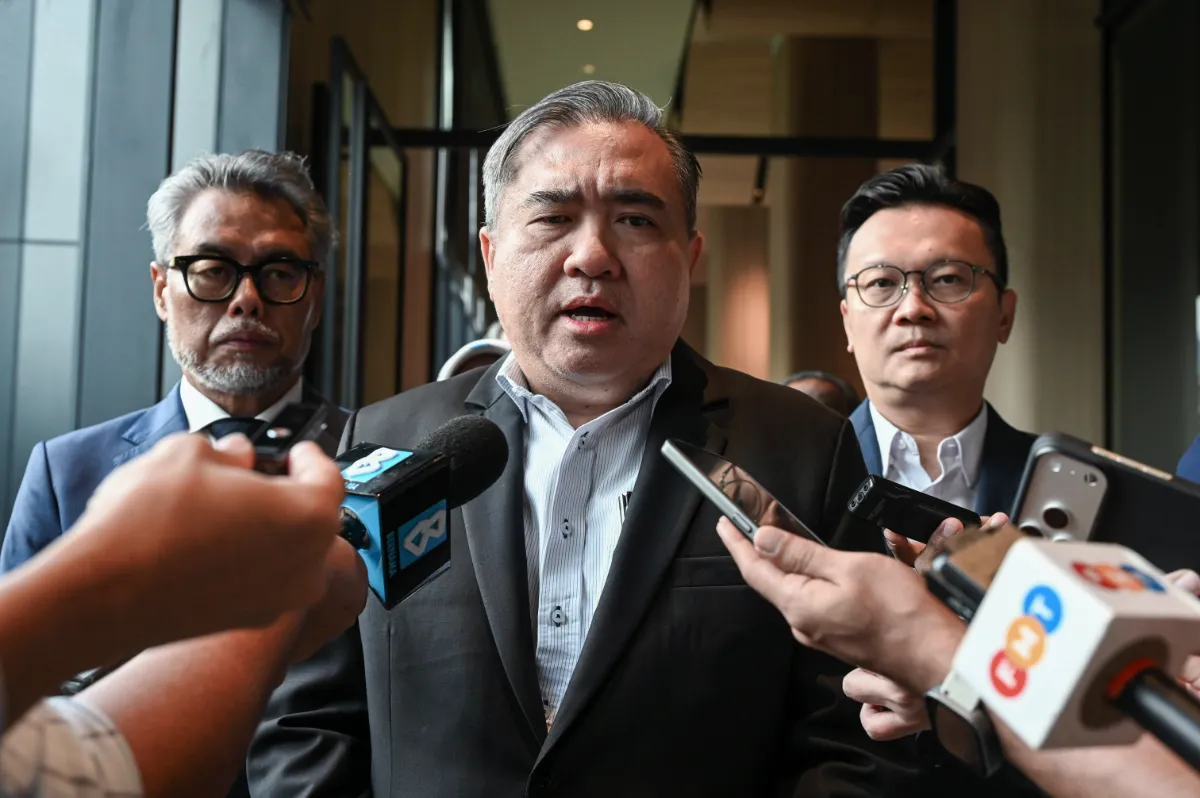
“This is indeed a welcome development. The Prime Minister has publicly stated that, following his visit to Russia, he received a commitment from President Putin that, based on strong bilateral relations, Russia will ensure a sustained and long-term supply of energy, oil and crude oil to Malaysia,” he told reporters at the Global Maritime Economic Conference 2026 today.
He added that the development underscores Malaysia’s non-aligned foreign policy, which emphasises diplomatic engagement with all major powers, including Russia, the United States and China.
Loke said energy supply assurance is critical for the logistics and transportation sectors, which require certainty and security of supply to maintain uninterrupted operations.
The government, he noted, continues to closely monitor developments through regular reporting at ministerial and Cabinet levels. “So far, we have been informed by Petronas that our supply is secure, and there are no issues.”
Loke said Malaysia has maintained a stable fuel supply for more than three months despite global disruptions triggered by geopolitical conflicts. He stressed that any disruption to fuel supply could severely impact logistics chains and economic activity, making supply security a top priority.
Loke said jet fuel prices remain tied to global market movements and are still relatively high despite some easing. “Jet fuel prices depend on global market prices. At present, they remain high on average, although there has been a slight decline.”
The minister noted that airlines adopt different strategies to manage fuel cost risks, including hedging, but volatile prices continue to pose challenges. Nevertheless, local carriers have managed to sustain operations despite higher costs, although some have reduced flight frequencies or consolidated routes.
Loke emphasised that maintaining flight operations is crucial, as any disruption would affect tourism and related industries. “If flights stop, it will impact other sectors. Without flights, tourists cannot enter the country, which will affect tourism and other related industries.”
He said the Transport Ministry is in discussions with airlines to ensure continuity.
Meanwhile, developments involving Iran’s re-entry into global energy markets could further stabilise prices, Loke said, noting that increased supply typically helps moderate prices.
However, Loke cautioned that market conditions remain uncertain due to fluctuating negotiations between the United States and Iran. As such, Malaysia is taking a long-term approach by diversifying its energy sources and strengthening ties with reliable partners.
“The most important thing is the certainty of supply. There must always be a supply, because if the oil supply is disrupted, many sectors of the economy will be affected,” he said.
Separately, Iran has signalled openness to expanding economic cooperation with Malaysia following the easing of restrictions on its oil, gas and petrochemical exports.
Iran’s ambassador to Malaysia, Valiollah Mohammadi Nasrabadi, said the development allows any country, including Malaysia, to purchase Iranian energy products without restrictions, creating new opportunities for bilateral trade.
“Now Iran can sell oil, gas and petrochemical products to the world. Any country can buy from Iran, and there are no restrictions on such cooperation,” he said, adding that Malaysia could tap into Iranian oil supplies if there is interest from companies such as Petronas, subject to technical negotiations.
Valiollah said the latest developments could serve as a gateway to broader economic cooperation between the two countries, which already enjoy strong ties across political, cultural, scientific and technological fields.
He noted that the current conditions enabling Iran’s oil trade are part of a broader process following a ceasefire-related memorandum of understanding with the United States, with both sides working towards a final agreement within 60 days.
He thanked the Malaysian government and Parliament for their support during Iran’s recent conflict, highlighting the strong political relationship between the two nations.



