




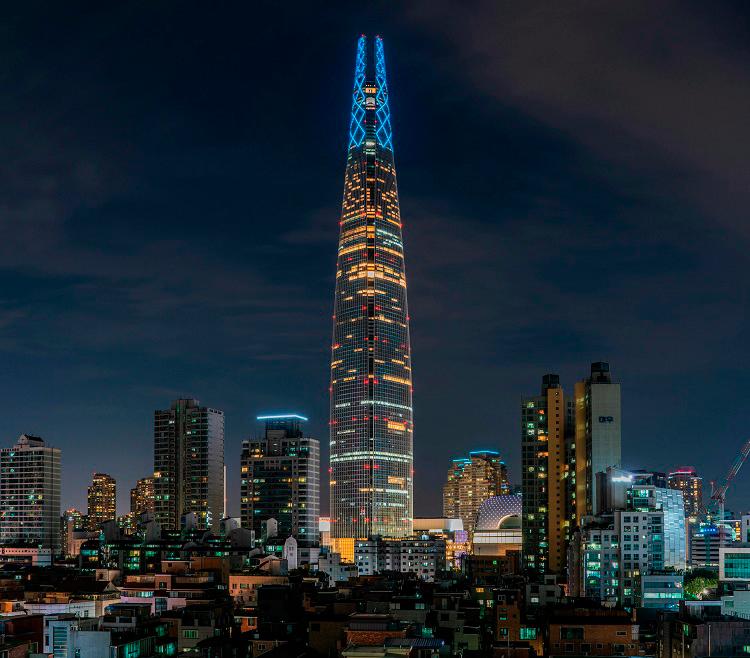
AT the heart of South Korea, Seoul has evolved into one of the world’s most dynamic technology hubs, drawing global attention for its cutting-edge innovations.
Known for its deep-rooted history, bustling markets and world-famous entertainment industry, the city is now firmly positioned as a leader in artificial intelligence (AI), robotics, semiconductor manufacturing and smart city development.
With tech giants such as Samsung, LG and Hyundai leading the charge, alongside a booming start-up ecosystem, Seoul has grown
into a formidable rival to US’ Silicon Valley.
Seoul at glance
Seoul, the capital of South Korea, is not only the political and economic centre of the country but also its innovation hub. Covering an area of 605.2 sq km and home to nearly 10 million residents, the city serves as the beating heart of South Korea’s tech-driven economy. The broader Seoul metropolitan area, which includes cities like Incheon and Suwon, hosts over 25 million people, making it one of the largest urban centres in the world.
As a global city, Seoul seamlessly blends tradition with cutting-edge technology. While historic sites such as Gyeongbokgung Palace, Bukchon Hanok Village and the vibrant Namdaemun Market attract millions of tourists, the city’s digital transformation is visible everywhere. From 5G-powered smart transportation to AI-driven customer service, Seoul has embraced technology like few others.
According to the Seoul metropolitan government, in 2023, the city welcomed over 14 million visitors, marking a 12% increase from the previous year. Of these, more than 2.3 million were international tourists, contributing to a tourism industry worth over 20 trillion won (RM66.5 billion). Seoul’s rising reputation as a tech hub has also attracted business travellers and entrepreneurs seeking to engage with the city’s thriving start-up scene.
Tech titans, rising stars
Seoul’s tech dominance is fuelled by a combination of global tech giants and emerging start-ups. Samsung, headquartered in the city, is among the world’s largest semiconductor and smartphone manufacturers, shaping the global electronics industry. LG, another Seoul-based powerhouse, leads in consumer electronics, AI research and automotive technology. Hyundai, though known for its automobiles, has heavily invested in robotics and autonomous vehicles, positioning itself at the forefront of mobility innovation.
Beyond these corporate giants, Seoul’s start-up ecosystem is flourishing. The city has been the birthplace of several innovative companies making waves in AI, biotechnology, fintech and gaming. Among the most notable start-ups are:
➤ Naver Labs: A subsidiary of Naver, Korea’s leading search engine, focusing on AI, robotics and autonomous mobility solutions.
➤ Coupang: Often referred to as South Korea’s Amazon, the e-commerce giant revolutionised logistics and delivery with AI-driven fulfilment centres.
➤ DeepBrain AI: A leading innovator in AI, known for its advanced deep-learning virtual humans, AI-driven conversational agents and real-time interactive AI solutions for industries such as media, education and customer service.
➤ Viva Republica: A fintech unicorn and operator of the financial super-app Toss that transformed South Korea’s digital banking and
payment landscape.
➤ Rebellions: A semiconductor start-up developing next-generation AI chips to compete with global players such as Nvidia.
These companies, along with hundreds of others, have benefited from Seoul’s emphasis on fostering innovation through financial incentives, research grants and world-class infrastructure.



