





Table of Contents
Free public Wi-Fi is convenient, but it can potentially expose user data
Not that long ago, those seeking to use free public Wi-Fi would often face warnings to be careful, as an action as harmless as connecting to an unsecured network could expose the user’s emails, passwords and other sensitive data to anyone nearby with the right tools.
In 2026, free public Wi-Fi is part of everyday life from airports, cafes and hotels to shopping malls and restaurants that all offer quick, often free internet access at a tap of a button. But with it rampantly available, is public Wi-Fi still a security risk in 2026?
The answer should not surprise anyone, but it is still a yes, with a caveat: Today, websites and apps are much better protected thanks to widespread encryption.
Public Wi-Fi safer today
Though it was created in the early 90s, Hypertext Transfer Protocol Secure (HTTPS) was widely adopted in the last decade, mostly due to Google – for a lack of a better word – forcing the hand of web owners to implement it as a way to promote secure web browsing.
To break it down in a way that even a child would understand, imagine writing a letter and then passing it from one end of the classroom to the other where your friend is seated. Anyone will be able to grab it, from teachers to the bullies, and they can even alter its contents.
Now imagine putting the letter inside an unbreakable, locked box first and then sending that box to your friend. HTTPS is that box: Only you and your friend have the key to open it. The box has a stamp that proves it came from you for your friend’s acknowledgement, and though everyone can see the box being passed, no one can read or change what is within it.
As such, most major services now use HTTPS encryption by default, making it far harder for attackers to intercept information such as banking details or login credentials while data travels across a network.
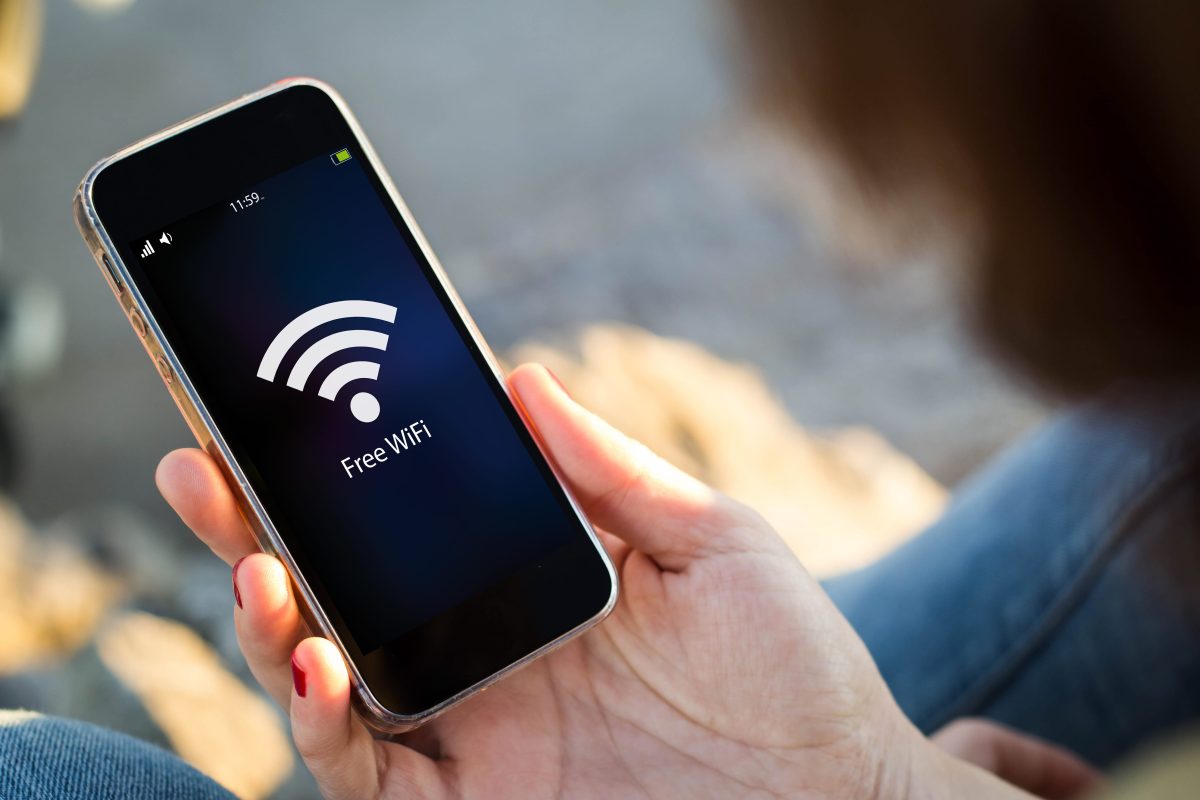
Threat of fake hotspots
However, cybersecurity experts say public Wi-Fi remains a common hunting ground for criminals because people tend to lower their guard – one of the threats being fake hotspots.
For instance, in a cafe, a user might see two wireless networks: One named “Cafe Free Wi-Fi” and the other “Cafe_Free_Wifi”, where one belongs to the cafe while the other is a scammer using a laptop or portable hotspot nearby.
Connecting to the wrong network will lead to the aforementioned dangers, including redirecting the user to a fake login page or into downloading malicious software.
Coined an “evil twin” attack by security researchers back in the mid-2000s, this tactic relies less on technical hacking and more on human error.
The threat can also expose you to phishing attempts.
When to and not to use
Like everything else about technology, public Wi-Fi users should exercise caution and think about what they intend to do by connecting to public Wi-Fi. If it is to read the news or browse social media, there is relatively little risk.
However, using public Wi-Fi for online banking, make large financial transactions or access confidential work files deserves more caution for obvious reasons.
Many companies now require employees to use virtual private networks when working remotely as it encrypts internet traffic between the user’s device and its destination, adding another layer of protection to public networks.
Fortunately, smartphones now offer another option – mobile data.
Generally more secure than public Wi-Fi, mobile data uses encrypted cellular networks controlled by the user’s own mobile carrier. If you only need internet for a short time, using your phone’s mobile connection or personal hotspot may be the safer choice.
That said, public Wi-Fi itself is not the enemy and millions of people use it safely every day. The real danger comes from assuming every free network is trustworthy.



